
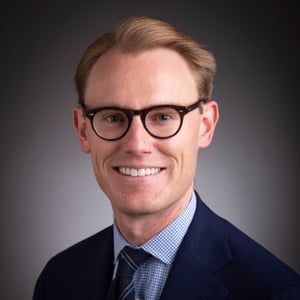
Associate General Counsel, Synthetic Biology Company
Tyler Clarkson works as an Associate General Counsel at a synthetic biology company handling all regulatory and compliance matters. Tyler previously served as the Deputy General Counsel, Principal Deputy General Counsel, and Acting General Counsel at USDA. He also worked as a Counselor to the Administrator at OIRA. Previously, he worked as an associate at Freshfields Bruckhaus Deringer focusing largely on global investigations. Tyler attended college and law school at UVA; while in law school, Tyler served as the president of the UVA Law Federalist Society chapter.
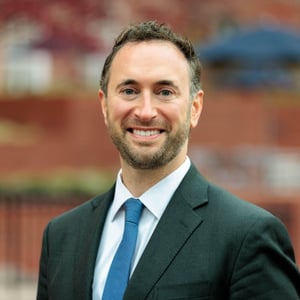
Associate Dean for Academic Affairs, The George Washington University Law School
Aram A. Gavoor is the Associate Dean for Academic Affairs and an internationally recognized scholar in American administrative law, national security, and federal courts. His co-authored work was cited by the U.S. Supreme Court in Department of Commerce v. New York (2019). His scholarship has earned placement in the Florida Law Review, Indiana Law Journal, Ohio State Law Journal, and other law journals. He has briefed and argued over a dozen high-profile public law cases before a majority of the U.S. Courts of Appeals and numerous cases before almost a third of the 94 U.S. District Courts. Associate Dean Gavoor frequently shares his national security, artificial intelligence policy, and federal courts expertise with international news media, including CNN, BBC World News, Wall Street Journal, NBC News, and ABC (Australia) World News. In 2021, the National Law Journal named Associate Dean Gavoor a Rising Star (top 40 under 40) honoree.
Earlier in his career, Associate Dean Gavoor served as Senior Counsel for National Security in the Civil Division of the U.S. Department of Justice, as third-in-rank Counselor to the Administrator of the Office of Information and Regulatory Affairs in the White House Office of Management and Budget, and in private practice. He received the Attorney General's Award for Distinguished Service in 2019, the Civil Division Special Commendation Award in 2020, 2019, and 2018, and a Commendation from the Human Rights and Special Prosecutions Section of the Criminal Division in 2018.
Associate Dean Gavoor previously served on the law school’s part-time faculty from 2008-2017 before accepting a term-limited position as Visiting Associate Professor from 2017-2019. He received GW Law’s Distinguished Adjunct Faculty Teaching Award from the 2020 and 2017 graduating classes. He currently teaches Constitutional Law II, Administrative Law, National Security Law, and Federal Courts.
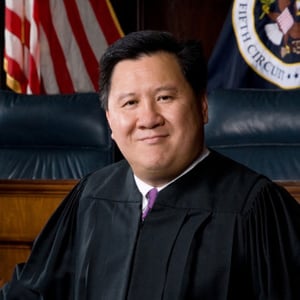
Judge, United States Court of Appeals, Fifth Circuit
James C. Ho is a Circuit Judge on the U.S. Court of Appeals for the Fifth Circuit. Before taking the bench on January 4, 2018, he was a partner and co-chair of the national Appellate and Constitutional Law practice group of Gibson, Dunn & Crutcher LLP.
As an appellate litigator for over a decade, including three years as the Solicitor General of Texas, Judge Ho presented 50 oral arguments in federal and state courts nationwide. He won numerous appeals, including three merits cases at the U.S. Supreme Court. He was routinely ranked among the nation’s leading lawyers by Benchmark, Chambers, Law360, The Legal 500, and The National Law Journal, among other publications. His work has been cited favorably by courts at every level of both the federal and state judiciaries. He won a Best Brief Award from the National Association of Attorneys General for every year that he served as solicitor general, and he is the only state solicitor general in history to be invited by the U.S. Supreme Court to express the views of a state.
Judge Ho has served in all three branches of the federal government. On the Senate Judiciary Committee, he served as chief counsel of the Subcommittees on the Constitution and Immigration under Senator John Cornyn. At the Justice Department, he served as Special Assistant to the Assistant Attorney General for Civil Rights and an attorney-advisor at the Office of Legal Counsel. He clerked for Judge Jerry E. Smith of the U.S. Court of Appeals for the Fifth Circuit and Justice Clarence Thomas of the U.S. Supreme Court.
His record of public service also includes appointments as vice chair of the Federal Judicial Evaluation Committee in Texas and co-chair of the National Asian Pacific American Bar Association Judiciary Committee, and as a member of the U.S. Magistrate Judge Merit Selection Panel for the Northern District of Texas, the U.S. delegation to the United Nations Committee on the Elimination of Racial Discrimination, and the Continuity of Government Commission.
In addition, Judge Ho has served as an Adjunct Professor of Law at the University of Texas School of Law, where he taught seminars on U.S. Supreme Court Litigation and Religious Liberty. He has authored numerous articles in respected law reviews nationwide, including an annual feature on exemplary judicial writing for The Green Bag Almanac & Reader. He previously served as senior editor of The Green Bag and as co-editor of Pub. L. Misc.
Judge Ho graduated from Stanford University with honors and a B.A. in Public Policy in 1995, and the University of Chicago Law School with high honors in 1999. Before law school, he was a legislative aide to California State Senator Quentin Kopp. He and his wife Allyson live in Dallas, Texas, with their twin daughter and son.
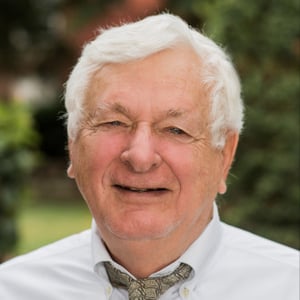
Lyle T. Alverson Professor of Law, George Washington University Law School
Professor Pierce is author of over twenty books and 130 articles on administrative law, government regulation, and the effects of various forms of government intervention on the performance of markets. His books and articles have been cited in hundreds of judicial opinions, including over a dozen opinions of the U.S. Supreme Court.
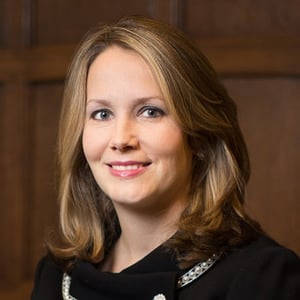
Partner, McGuireWoods LLP
The Honorable Susan C. Rodriguez was sworn-in as a U.S. Magistrate Judge in the Western District of North Carolina on April 3, 2023. She was selected through a Merit Selection Panel, comprised of both attorneys throughout the district and community representatives. Judge Rodriguez was previously a partner at the law firm, McGuireWoods LLP, where she was the co-leader of the firm’s financial institutions industry team. Her private practice experience focused on government investigations and white-collar matters. She has represented clients in numerous government investigations by the U.S. Department of Justice, U.S. Department of Homeland Security, Consumer Financial Protection Bureau (CFPB), and the Federal Trade Commission (FTC), among others. She was recognized for her outstanding work for clients through Chambers rankings in both 2022 and 2023 for Litigation: White-Collar Crime & Government Investigations in North Carolina and nationally for Fintech Legal: Corporate, Securities & Financing. Susan also was named to “North Carolina Rising Stars,” Government Relations, Super Lawyers, 2017-2019.
Before joining McGuireWoods in 2011, Susan served as a legal policy advisor at the Department of Homeland Security. Susan also served as federal law clerk for the Honorable Frank D. Whitney, U.S. District Court Judge for the Western District of North Carolina, handling both civil and criminal matters. Prior to that, she was a presidential appointee, serving as a staffer in the White House Counsel’s office from 2005-2006, handling management of judicial nominations and assisting with responses to congressional investigations.
Associate General Counsel, Synthetic Biology Company
Tyler Clarkson works as an Associate General Counsel at a synthetic biology company handling all regulatory and compliance matters. Tyler previously served as the Deputy General Counsel, Principal Deputy General Counsel, and Acting General Counsel at USDA. He also worked as a Counselor to the Administrator at OIRA. Previously, he worked as an associate at Freshfields Bruckhaus Deringer focusing largely on global investigations. Tyler attended college and law school at UVA; while in law school, Tyler served as the president of the UVA Law Federalist Society chapter.
Associate Dean for Academic Affairs, The George Washington University Law School
Aram A. Gavoor is the Associate Dean for Academic Affairs and an internationally recognized scholar in American administrative law, national security, and federal courts. His co-authored work was cited by the U.S. Supreme Court in Department of Commerce v. New York (2019). His scholarship has earned placement in the Florida Law Review, Indiana Law Journal, Ohio State Law Journal, and other law journals. He has briefed and argued over a dozen high-profile public law cases before a majority of the U.S. Courts of Appeals and numerous cases before almost a third of the 94 U.S. District Courts. Associate Dean Gavoor frequently shares his national security, artificial intelligence policy, and federal courts expertise with international news media, including CNN, BBC World News, Wall Street Journal, NBC News, and ABC (Australia) World News. In 2021, the National Law Journal named Associate Dean Gavoor a Rising Star (top 40 under 40) honoree.
Earlier in his career, Associate Dean Gavoor served as Senior Counsel for National Security in the Civil Division of the U.S. Department of Justice, as third-in-rank Counselor to the Administrator of the Office of Information and Regulatory Affairs in the White House Office of Management and Budget, and in private practice. He received the Attorney General's Award for Distinguished Service in 2019, the Civil Division Special Commendation Award in 2020, 2019, and 2018, and a Commendation from the Human Rights and Special Prosecutions Section of the Criminal Division in 2018.
Associate Dean Gavoor previously served on the law school’s part-time faculty from 2008-2017 before accepting a term-limited position as Visiting Associate Professor from 2017-2019. He received GW Law’s Distinguished Adjunct Faculty Teaching Award from the 2020 and 2017 graduating classes. He currently teaches Constitutional Law II, Administrative Law, National Security Law, and Federal Courts.
Judge, United States Court of Appeals, Fifth Circuit
James C. Ho is a Circuit Judge on the U.S. Court of Appeals for the Fifth Circuit. Before taking the bench on January 4, 2018, he was a partner and co-chair of the national Appellate and Constitutional Law practice group of Gibson, Dunn & Crutcher LLP.
As an appellate litigator for over a decade, including three years as the Solicitor General of Texas, Judge Ho presented 50 oral arguments in federal and state courts nationwide. He won numerous appeals, including three merits cases at the U.S. Supreme Court. He was routinely ranked among the nation’s leading lawyers by Benchmark, Chambers, Law360, The Legal 500, and The National Law Journal, among other publications. His work has been cited favorably by courts at every level of both the federal and state judiciaries. He won a Best Brief Award from the National Association of Attorneys General for every year that he served as solicitor general, and he is the only state solicitor general in history to be invited by the U.S. Supreme Court to express the views of a state.
Judge Ho has served in all three branches of the federal government. On the Senate Judiciary Committee, he served as chief counsel of the Subcommittees on the Constitution and Immigration under Senator John Cornyn. At the Justice Department, he served as Special Assistant to the Assistant Attorney General for Civil Rights and an attorney-advisor at the Office of Legal Counsel. He clerked for Judge Jerry E. Smith of the U.S. Court of Appeals for the Fifth Circuit and Justice Clarence Thomas of the U.S. Supreme Court.
His record of public service also includes appointments as vice chair of the Federal Judicial Evaluation Committee in Texas and co-chair of the National Asian Pacific American Bar Association Judiciary Committee, and as a member of the U.S. Magistrate Judge Merit Selection Panel for the Northern District of Texas, the U.S. delegation to the United Nations Committee on the Elimination of Racial Discrimination, and the Continuity of Government Commission.
In addition, Judge Ho has served as an Adjunct Professor of Law at the University of Texas School of Law, where he taught seminars on U.S. Supreme Court Litigation and Religious Liberty. He has authored numerous articles in respected law reviews nationwide, including an annual feature on exemplary judicial writing for The Green Bag Almanac & Reader. He previously served as senior editor of The Green Bag and as co-editor of Pub. L. Misc.
Judge Ho graduated from Stanford University with honors and a B.A. in Public Policy in 1995, and the University of Chicago Law School with high honors in 1999. Before law school, he was a legislative aide to California State Senator Quentin Kopp. He and his wife Allyson live in Dallas, Texas, with their twin daughter and son.
Lyle T. Alverson Professor of Law, George Washington University Law School
Professor Pierce is author of over twenty books and 130 articles on administrative law, government regulation, and the effects of various forms of government intervention on the performance of markets. His books and articles have been cited in hundreds of judicial opinions, including over a dozen opinions of the U.S. Supreme Court.
Partner, McGuireWoods LLP
The Honorable Susan C. Rodriguez was sworn-in as a U.S. Magistrate Judge in the Western District of North Carolina on April 3, 2023. She was selected through a Merit Selection Panel, comprised of both attorneys throughout the district and community representatives. Judge Rodriguez was previously a partner at the law firm, McGuireWoods LLP, where she was the co-leader of the firm’s financial institutions industry team. Her private practice experience focused on government investigations and white-collar matters. She has represented clients in numerous government investigations by the U.S. Department of Justice, U.S. Department of Homeland Security, Consumer Financial Protection Bureau (CFPB), and the Federal Trade Commission (FTC), among others. She was recognized for her outstanding work for clients through Chambers rankings in both 2022 and 2023 for Litigation: White-Collar Crime & Government Investigations in North Carolina and nationally for Fintech Legal: Corporate, Securities & Financing. Susan also was named to “North Carolina Rising Stars,” Government Relations, Super Lawyers, 2017-2019.
Before joining McGuireWoods in 2011, Susan served as a legal policy advisor at the Department of Homeland Security. Susan also served as federal law clerk for the Honorable Frank D. Whitney, U.S. District Court Judge for the Western District of North Carolina, handling both civil and criminal matters. Prior to that, she was a presidential appointee, serving as a staffer in the White House Counsel’s office from 2005-2006, handling management of judicial nominations and assisting with responses to congressional investigations.
Lyle T. Alverson Professor of Law, George Washington University Law School
Professor Pierce is author of over twenty books and 130 articles on administrative law, government regulation, and the effects of various forms of government intervention on the performance of markets. His books and articles have been cited in hundreds of judicial opinions, including over a dozen opinions of the U.S. Supreme Court.
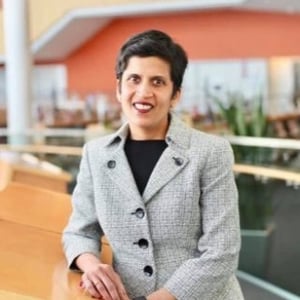
Associate Dean for Diversity, Equity, and Inclusion, Samuel Weiss Faculty Scholar and Clinical Professor of Law, and Director, Center for Immigrants' Rights Clinic, The Pennsylvania State University
Shoba Sivaprasad Wadhia is Associate Dean for Diversity, Equity, and Inclusion; the Samuel Weiss Faculty Scholar; and Clinical Professor of Law at Penn State Law in University Park. Her research focuses on the role of prosecutorial discretion in immigration law and the intersections of race, national security, and immigration. Her work has been published in numerous law journals, including Duke Law Journal, Emory Law Journal, Texas Law Review, Washington and Lee Law Review, Harvard Latino Law Review, Administrative Law Review, Howard Law Journal, Georgetown Immigration Law Journal, and Columbia Journal of Race and Law. Wadhia is the author of two award-winning books with New York University Press: Beyond Deportation: The Role of Prosecutorial Discretion in Immigration Cases (2015) and Banned: Immigration Enforcement in the Time of Trump (2019). She is also the author of Immigration and Nationality Law: Problems and Solutions, (w. Steve Yale-Loehr and Lenni Benson), published by Carolina Academic Press.
Wadhia’s scholarship has been cited in dozens of law journals and by numerous federal circuit courts, including Judge Richard Posner (article on deferred action), Judge Paul J. Watford (article on the role of discretion in speed deportation), and Judge Kim McLane Wardlaw (“See generally” citation to book Beyond Deportation), Judge Julius N. Richardson (co-authored article and Chevron deference and immigration), and Judge Andrew S. Oldham (co-authored article on Chevron deference and immigration). She serves as the inaugural Editor-In-Chief of the American Immigration Lawyers Association (AILA) Law Journal, a partnership between AILA and Fastcase. In 2019, she served as the Enlund Scholar In Residence at DePaul University School of Law. In 2019, Wadhia testified before Congress on the historical role of prosecutorial discretion and deferred action in immigration cases.
Wadhia has written or been quoted by numerous media outlets, including New York Times, USA Today, Los Angeles Times, Philadelphia Inquirer, The Hill, SCOTUS blog, blog of the Harvard Law Review, American Constitution Society, Yale Journal on Regulation’s Notice & Comment, and Immigration Law Professors Blog. She has also served as an expert witness, lead author, or co-counsel in connection with Deferred Action for Childhood Arrivals (DACA), the asylum ban, the travel ban, and prosecutorial discretion more generally.
At Penn State Law, Professor Wadhia teaches doctrinal courses in immigration and asylum and refugee law. She is also the founder/director of the Center for Immigrants’ Rights Clinic (CIRC), where she supervises students in three areas: 1) community outreach; 2) legal support in individual immigration cases; and 3) policy work for institutional clients. CIRC has earned a national reputation for its high-quality work product and impact in the community. 2018 marked the 10-year anniversary of CIRC. CIRC was honored with the Excellence in Legal Advocacy Award in 2017 by the American-Arab Anti-Discrimination Committee and named legal organization of the year in 2019 by the Pennsylvania Immigration Resource Center.
Prior to joining Penn State, Professor Wadhia was deputy director for legal affairs at the National Immigration Forum in Washington, D.C., where she provided legal and policy expertise on multiple legislative efforts, including the creation of the Department of Homeland Security, comprehensive immigration reform, immigration enforcement, and immigration policy post 9-11. Wadhia has also been an associate with the immigration law firm, Maggio Kattar of P.C. in Washington, D.C., where she represented individuals and families in asylum, deportation, family, and employment-based immigration.
Wadhia has received many awards for her scholarship, teaching, and service, including Pro Bono Attorney of the Year by the American-Arab Anti-Discrimination Committee in 2003, leadership awards by the Department of Homeland Security’s Office of Civil Rights and Civil Liberties and Office of the Inspector General in 2008, 2017 Honoree by the National Immigration Project, Arnold Addison Award for Town and Gown Relations by the Borough of State College in 2019, and the 2019 Elmer Friend Excellence in Teaching Award by the American Immigration Lawyers Association. In 2020, Wadhia received the university-wide Rosemary Schraer Mentoring Award and was named a Fastcase 50 Awardee, which honors 50 of “the law’s smartest, most courageous innovators, techies, visionaries, & leaders.”

Professor of Law, University of Michigan Law School
Christopher J. Walker is a Professor of Law at the University of Michigan. Prior to joining Michigan law faculty in 2022, he spent a decade teaching at The Ohio State University Moritz College of Law. He previously clerked for Justice Anthony Kennedy of the U.S. Supreme Court, worked on the Civil Appellate Staff at the U.S. Department of Justice, and served on the Senate Judiciary Committee staff for the Gorsuch Supreme Court confirmation. Professor Walker’s research focuses on administrative law, regulation, and law and policy at the agency level. Outside the law school, he chaired the American Bar Association’s Section of Administrative Law and Regulatory Practice in 2020-21 and served as one of forty Public Members of the Administrative Conference of the United States from 2016-2022, and he continues to serve in both organizations in various capacities. He also works of counsel at the U.S. Chamber Litigation Center. In 2022, he received the Federalist Society’s Joseph Story Award.
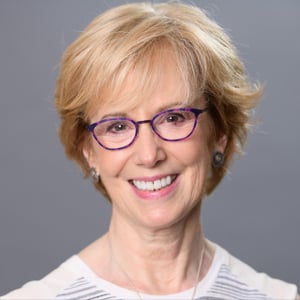
Director, GW Regulatory Studies Center & Distinguished Professor of Practice, Trachtenberg School of Public Policy & Public Administration, The George Washington University
Susan Dudley is the Founder and Director of the George Washington University Regulatory Studies Center, established in 2009 to raise awareness of regulations’ effects and improve regulatory policy through research, education, and outreach. She is also a distinguished professor of practice in the Trachtenberg School of Public Policy and Public Administration. She is past-president of the Society for Benefit Cost Analysis, a senior fellow of the Administrative Conference of the United States, and on the Regulatory Transparency Project Regulatory Practice Working Group. Her book, Regulation: A Primer, with Jerry Brito, is available on Amazon.com.
From April 2007 through January 2009, Professor Dudley served as the Presidentially-appointed Administrator of the Office of Information and Regulatory Affairs in the U.S. Office of Management and Budget and was responsible for the review of draft executive branch regulations under Executive Order 12866, the collection of federal-government-wide information under the Paperwork Reduction Act, the development and implementation of government-wide policies in the areas of information policy, privacy, and statistical policy, and international regulatory cooperation efforts.
Prior to OIRA, she directed the Regulatory Studies Program at the Mercatus Center at George Mason University, and taught courses on regulation at the George Mason University School of Law. Earlier in her career, Professor Dudley served as an economist at OIRA, as well as the Environmental Protection Agency and the Commodity Futures Trading Commission. She was also a consultant to government and private clients at Economists Incorporated. She holds a Master of Science degree from the Sloan School of Management at MIT and a Bachelor of Science degree (summa cum laude) in Resource Economics from the University of Massachusetts, Amherst.
Director, GW Regulatory Studies Center & Distinguished Professor of Practice, Trachtenberg School of Public Policy & Public Administration, The George Washington University
Susan Dudley is the Founder and Director of the George Washington University Regulatory Studies Center, established in 2009 to raise awareness of regulations’ effects and improve regulatory policy through research, education, and outreach. She is also a distinguished professor of practice in the Trachtenberg School of Public Policy and Public Administration. She is past-president of the Society for Benefit Cost Analysis, a senior fellow of the Administrative Conference of the United States, and on the Regulatory Transparency Project Regulatory Practice Working Group. Her book, Regulation: A Primer, with Jerry Brito, is available on Amazon.com.
From April 2007 through January 2009, Professor Dudley served as the Presidentially-appointed Administrator of the Office of Information and Regulatory Affairs in the U.S. Office of Management and Budget and was responsible for the review of draft executive branch regulations under Executive Order 12866, the collection of federal-government-wide information under the Paperwork Reduction Act, the development and implementation of government-wide policies in the areas of information policy, privacy, and statistical policy, and international regulatory cooperation efforts.
Prior to OIRA, she directed the Regulatory Studies Program at the Mercatus Center at George Mason University, and taught courses on regulation at the George Mason University School of Law. Earlier in her career, Professor Dudley served as an economist at OIRA, as well as the Environmental Protection Agency and the Commodity Futures Trading Commission. She was also a consultant to government and private clients at Economists Incorporated. She holds a Master of Science degree from the Sloan School of Management at MIT and a Bachelor of Science degree (summa cum laude) in Resource Economics from the University of Massachusetts, Amherst.
Lyle T. Alverson Professor of Law, George Washington University Law School
Professor Pierce is author of over twenty books and 130 articles on administrative law, government regulation, and the effects of various forms of government intervention on the performance of markets. His books and articles have been cited in hundreds of judicial opinions, including over a dozen opinions of the U.S. Supreme Court.
Associate Dean for Diversity, Equity, and Inclusion, Samuel Weiss Faculty Scholar and Clinical Professor of Law, and Director, Center for Immigrants' Rights Clinic, The Pennsylvania State University
Shoba Sivaprasad Wadhia is Associate Dean for Diversity, Equity, and Inclusion; the Samuel Weiss Faculty Scholar; and Clinical Professor of Law at Penn State Law in University Park. Her research focuses on the role of prosecutorial discretion in immigration law and the intersections of race, national security, and immigration. Her work has been published in numerous law journals, including Duke Law Journal, Emory Law Journal, Texas Law Review, Washington and Lee Law Review, Harvard Latino Law Review, Administrative Law Review, Howard Law Journal, Georgetown Immigration Law Journal, and Columbia Journal of Race and Law. Wadhia is the author of two award-winning books with New York University Press: Beyond Deportation: The Role of Prosecutorial Discretion in Immigration Cases (2015) and Banned: Immigration Enforcement in the Time of Trump (2019). She is also the author of Immigration and Nationality Law: Problems and Solutions, (w. Steve Yale-Loehr and Lenni Benson), published by Carolina Academic Press.
Wadhia’s scholarship has been cited in dozens of law journals and by numerous federal circuit courts, including Judge Richard Posner (article on deferred action), Judge Paul J. Watford (article on the role of discretion in speed deportation), and Judge Kim McLane Wardlaw (“See generally” citation to book Beyond Deportation), Judge Julius N. Richardson (co-authored article and Chevron deference and immigration), and Judge Andrew S. Oldham (co-authored article on Chevron deference and immigration). She serves as the inaugural Editor-In-Chief of the American Immigration Lawyers Association (AILA) Law Journal, a partnership between AILA and Fastcase. In 2019, she served as the Enlund Scholar In Residence at DePaul University School of Law. In 2019, Wadhia testified before Congress on the historical role of prosecutorial discretion and deferred action in immigration cases.
Wadhia has written or been quoted by numerous media outlets, including New York Times, USA Today, Los Angeles Times, Philadelphia Inquirer, The Hill, SCOTUS blog, blog of the Harvard Law Review, American Constitution Society, Yale Journal on Regulation’s Notice & Comment, and Immigration Law Professors Blog. She has also served as an expert witness, lead author, or co-counsel in connection with Deferred Action for Childhood Arrivals (DACA), the asylum ban, the travel ban, and prosecutorial discretion more generally.
At Penn State Law, Professor Wadhia teaches doctrinal courses in immigration and asylum and refugee law. She is also the founder/director of the Center for Immigrants’ Rights Clinic (CIRC), where she supervises students in three areas: 1) community outreach; 2) legal support in individual immigration cases; and 3) policy work for institutional clients. CIRC has earned a national reputation for its high-quality work product and impact in the community. 2018 marked the 10-year anniversary of CIRC. CIRC was honored with the Excellence in Legal Advocacy Award in 2017 by the American-Arab Anti-Discrimination Committee and named legal organization of the year in 2019 by the Pennsylvania Immigration Resource Center.
Prior to joining Penn State, Professor Wadhia was deputy director for legal affairs at the National Immigration Forum in Washington, D.C., where she provided legal and policy expertise on multiple legislative efforts, including the creation of the Department of Homeland Security, comprehensive immigration reform, immigration enforcement, and immigration policy post 9-11. Wadhia has also been an associate with the immigration law firm, Maggio Kattar of P.C. in Washington, D.C., where she represented individuals and families in asylum, deportation, family, and employment-based immigration.
Wadhia has received many awards for her scholarship, teaching, and service, including Pro Bono Attorney of the Year by the American-Arab Anti-Discrimination Committee in 2003, leadership awards by the Department of Homeland Security’s Office of Civil Rights and Civil Liberties and Office of the Inspector General in 2008, 2017 Honoree by the National Immigration Project, Arnold Addison Award for Town and Gown Relations by the Borough of State College in 2019, and the 2019 Elmer Friend Excellence in Teaching Award by the American Immigration Lawyers Association. In 2020, Wadhia received the university-wide Rosemary Schraer Mentoring Award and was named a Fastcase 50 Awardee, which honors 50 of “the law’s smartest, most courageous innovators, techies, visionaries, & leaders.”
Professor of Law, University of Michigan Law School
Christopher J. Walker is a Professor of Law at the University of Michigan. Prior to joining Michigan law faculty in 2022, he spent a decade teaching at The Ohio State University Moritz College of Law. He previously clerked for Justice Anthony Kennedy of the U.S. Supreme Court, worked on the Civil Appellate Staff at the U.S. Department of Justice, and served on the Senate Judiciary Committee staff for the Gorsuch Supreme Court confirmation. Professor Walker’s research focuses on administrative law, regulation, and law and policy at the agency level. Outside the law school, he chaired the American Bar Association’s Section of Administrative Law and Regulatory Practice in 2020-21 and served as one of forty Public Members of the Administrative Conference of the United States from 2016-2022, and he continues to serve in both organizations in various capacities. He also works of counsel at the U.S. Chamber Litigation Center. In 2022, he received the Federalist Society’s Joseph Story Award.
Lyle T. Alverson Professor of Law, George Washington University Law School
Professor Pierce is author of over twenty books and 130 articles on administrative law, government regulation, and the effects of various forms of government intervention on the performance of markets. His books and articles have been cited in hundreds of judicial opinions, including over a dozen opinions of the U.S. Supreme Court.
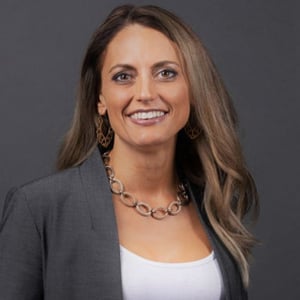
Judge, U.S. Court of Appeals for the Third Circuit
Hon. Jennifer Mascott served as Associate Professor of Law and Director of the Separation of Powers Institute at The Catholic University of America’s Columbus School of Law before her appointment to the federal bench. On July 16, 2025, President Donald J. Trump nominated her to the U.S. Court of Appeals for the Third Circuit (Delaware), and she was confirmed on October 9, 2025.
Prior to her confirmation, Judge Mascott wrote extensively in administrative and constitutional law, statutory interpretation, and the separation of powers. Her scholarship—published in leading journals including the Stanford Law Review, Notre Dame Law Review, and Supreme Court Review—was cited by the U.S. Supreme Court and multiple federal courts. She also contributed Supreme Court commentary for NBC Universal.
Before joining Catholic Law, she was an Assistant Professor and Co-Director of The C. Boyden Gray Center at George Mason University’s Antonin Scalia Law School. In 2022 she became co-author of Beermann, Cass & Diver’s Administrative Law: Cases and Materials (9th ed.). In 2023 she received the Justice Joseph Story Award for excellence in scholarship, teaching, and advancing the rule of law.
Judge Mascott also served as a Council Member of the ABA’s Administrative Law Section and as a Public Member of the Administrative Conference of the United States. She frequently testified before Congress on executive power, regulatory reform, and judicial jurisdiction, and participated in multiple Supreme Court confirmation hearings.
From 2019 to 2021, she took leave from academia to serve as Deputy Assistant Attorney General in the Department of Justice’s Office of Legal Counsel and later as Associate Deputy Attorney General, where she argued federal cases and assisted with Justice Amy Coney Barrett’s confirmation. Earlier in her career, she clerked for Justice Clarence Thomas and for then-Judge Brett M. Kavanaugh on the D.C. Circuit.
Judge Mascott earned her J.D. summa cum laude from the George Washington University Law School and her B.A. from the same institution.
Judge, U.S. Court of Appeals for the Third Circuit
Hon. Jennifer Mascott served as Associate Professor of Law and Director of the Separation of Powers Institute at The Catholic University of America’s Columbus School of Law before her appointment to the federal bench. On July 16, 2025, President Donald J. Trump nominated her to the U.S. Court of Appeals for the Third Circuit (Delaware), and she was confirmed on October 9, 2025.
Prior to her confirmation, Judge Mascott wrote extensively in administrative and constitutional law, statutory interpretation, and the separation of powers. Her scholarship—published in leading journals including the Stanford Law Review, Notre Dame Law Review, and Supreme Court Review—was cited by the U.S. Supreme Court and multiple federal courts. She also contributed Supreme Court commentary for NBC Universal.
Before joining Catholic Law, she was an Assistant Professor and Co-Director of The C. Boyden Gray Center at George Mason University’s Antonin Scalia Law School. In 2022 she became co-author of Beermann, Cass & Diver’s Administrative Law: Cases and Materials (9th ed.). In 2023 she received the Justice Joseph Story Award for excellence in scholarship, teaching, and advancing the rule of law.
Judge Mascott also served as a Council Member of the ABA’s Administrative Law Section and as a Public Member of the Administrative Conference of the United States. She frequently testified before Congress on executive power, regulatory reform, and judicial jurisdiction, and participated in multiple Supreme Court confirmation hearings.
From 2019 to 2021, she took leave from academia to serve as Deputy Assistant Attorney General in the Department of Justice’s Office of Legal Counsel and later as Associate Deputy Attorney General, where she argued federal cases and assisted with Justice Amy Coney Barrett’s confirmation. Earlier in her career, she clerked for Justice Clarence Thomas and for then-Judge Brett M. Kavanaugh on the D.C. Circuit.
Judge Mascott earned her J.D. summa cum laude from the George Washington University Law School and her B.A. from the same institution.
Lyle T. Alverson Professor of Law, George Washington University Law School
Professor Pierce is author of over twenty books and 130 articles on administrative law, government regulation, and the effects of various forms of government intervention on the performance of markets. His books and articles have been cited in hundreds of judicial opinions, including over a dozen opinions of the U.S. Supreme Court.
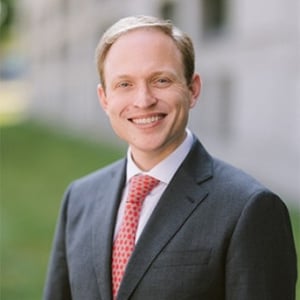
Dean; J. Gilbert Reese Chair in Contract Law, Moritz College of Law, The Ohio State University
Kent Barnett is the 21st dean of the Michael E. Moritz College of Law at The Ohio State University and the J. Gilbert Reese Chair in Contract Law. He is focused on bringing people in—by enriching the College’s inclusive community and increasing financial support for students—and then bringing them up—by focusing on community-building, career development, and rigorous legal training.
As a scholar of separation of powers and administrative law, his scholarship has been published in, among other places, the New York University, Michigan, Duke, Vanderbilt, and Notre Dame Law Reviews. Barnett’s work has been cited by leading administrative law casebooks, federal district and appellate courts, and the U.S. Supreme Court. He has taught contracts and sales, consumer law, legal ethics, and administrative law.
Prior to joining Ohio State, Barnett served as the Associate Dean for Academic Affairs and the J. Alton Hosch Professor at the University of Georgia School of Law. He received the C. Ronald Ellington Award for Excellence in Teaching, the school’s highest teaching honor, and was selected to serve as a faculty marshal by three graduating classes for commencement ceremonies. Barnett also clerked for Judge John Rogers of the U.S. Court of Appeals for the Sixth Circuit and practiced law at Weil, Gotshal & Manges in its complex commercial litigation and appellate groups.
After years as an appointed public member, Barnett is a Senior Fellow of the Administrative Conference of the United States (ACUS) and was the chair of AALS Administrative Law Section.
Lyle T. Alverson Professor of Law, George Washington University Law School
Professor Pierce is author of over twenty books and 130 articles on administrative law, government regulation, and the effects of various forms of government intervention on the performance of markets. His books and articles have been cited in hundreds of judicial opinions, including over a dozen opinions of the U.S. Supreme Court.

President, Cass & Associates, PC
Ronald A. Cass is Dean Emeritus of Boston University School of Law (where he was Dean from 1990-2004), President of Cass & Associates, PC, former Vice-Chairman and Commissioner of the U.S. International Trade Commission, former faculty member at Boston University School of Law and the University of Virginia Law School, and Distinguished Senior Fellow at the C. Boyden Gray Center for the Study of the Administrative State. Dean Cass also sits as an arbitrator for commercial, international, and intellectual property rights disputes, and is a former United States member of the Panel of Conciliators of the International Centre for Settlement of Investment Disputes. He is a member of the Council of the Administrative Conference of the United States and has received seven presidential appointments, spanning Presidents Ronald Reagan to Donald J. Trump.
As a law professor, lecturer, and scholar, Dean Cass has been teaching and writing about a wide array of legal issues on topics such as administrative law and regulation, antitrust, constitutional law, communications, intellectual property, international trade, separation of powers, and legal process. He has published more than 160 scholarly books, chapters, articles, and papers, including a leading casebook on administrative law. Dean Cass has taught judges as well as students in schools of law, economics, business, and public policy and has held academic appointments in the United States, Europe, and Latin America.
In addition to his academic work, Dean Cass has participated in numerous important legal cases as an amicus, consultant, or expert, and has advised businesses, law firms, investment funds, and government agencies on a range of trade, antitrust, intellectual property, and regulatory issues. He has a broad range of affiliations with professional groups, and has received numerous honors, fellowships and awards.
Dean Cass is a graduate of the University of Virginia and the University of Chicago Law School.
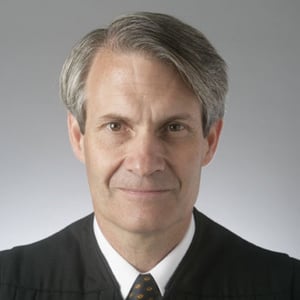
Special Counsel, Hunton Andrews Kurth
After serving on the United State Court of Appeals for the D. C. Circuit from 2005, Judge Griffith stepped down from the bench in 2020. Currently he is a Lecturer on Law at Harvard Law School, a Fellow at the Wheatley Institute at Brigham Young University, and Special Counsel in the Washington, DC office of the law firm of Hunton Andrews Kurth. Most recently, he was a member of President Biden's Commission on the Supreme Court. He is the author of Civic Charity and the Constitution , and the co-author, along with former judges Michael Luttig and Michael McConnell, of Lost, Not Stolen: The Conservative Case that Trump Lost and Biden Won the 2020 Presidential Election. https://lostnotstolen.org/ . Before being appointed to the D. C. Circuit, Judge Griffith was the General Counsel at BYU; Senate Legal Counsel, the non-partisan chief legal officer of the U. S. Senate; and a partner at Wiley, Rein & Fielding. Long active in rule-of-law programs in former communist nations, Judge Griffith is a member of the international advisory board of the CEELI Institute in Prague. He is a graduate of BYU and the University of Virginia School of Law and is a member of the American Law Institute.

George C. Dix Professor in Constitutional Law, Northwestern University Pritzker School of Law
John O. McGinnis is a graduate of Harvard College and Harvard Law School where he was an editor of the Harvard Law Review. He also has an MA degree from Balliol College, Oxford, in philosophy and theology. Professor McGinnis clerked on the U.S. Court of Appeals for the District of Columbia. From 1987 to 1991, he was deputy assistant attorney general in the Office of Legal Counsel at the Department of Justice. He is the author of Accelerating Democracy: Transforming Government Through Technology (Princeton 2013) and Originalism and the Good Constitution (Harvard 2013) (with M. Rappaport). He is a past winner of the Paul Bator award given by the Federalist Society to an outstanding academic under 40. He has been listed by the United States on the roster of panelists who may be called upon to decide World Trade Organization Disputes.
Lyle T. Alverson Professor of Law, George Washington University Law School
Professor Pierce is author of over twenty books and 130 articles on administrative law, government regulation, and the effects of various forms of government intervention on the performance of markets. His books and articles have been cited in hundreds of judicial opinions, including over a dozen opinions of the U.S. Supreme Court.

Distinguished Senior Fellow and Antonin Scalia Chair in Constitutional Studies, Ethics and Public Policy Center
Edward Whelan is a Distinguished Senior Fellow of the Ethics and Public Policy Center and holds EPPC’s Antonin Scalia Chair in Constitutional Studies. He is the longest-serving President in EPPC’s history, having held that position from March 2004 through January 2021.
Mr. Whelan directs EPPC’s program on The Constitution, the Courts, and the Culture. His areas of expertise include constitutional law and the judicial confirmation process. As a contributor to National Review Online’s Bench Memos blog, he has been a leading commentator on nominations to the Supreme Court and the lower courts and on issues of constitutional law. He has written essays and op-eds for leading newspapers—including the Wall Street Journal, the New York Times, and the Washington Post—opinion journals, and academic symposia and law reviews. The National Law Journal has named Mr. Whelan among its “Champions and Visionaries” in the practice of law in D.C.
Mr. Whelan is co-editor of three volumes of Supreme Court Justice Antonin Scalia’s work: Scalia Speaks: Reflections on Law, Faith, and Life Well Lived (Crown Forum, 2017), a New York Times bestselling collection of speeches by Justice Scalia; On Faith: Lessons from an American Believer (Crown Forum, 2019), a collection of Justice Scalia’s writings on faith and religion; and The Essential Scalia: On the Constitution, the Courts, and the Rule of Law (Crown Forum, 2020), a collection of Justice Scalia’s views on legal issues.
Mr. Whelan, a lawyer and a former law clerk to Justice Scalia, has served in positions of responsibility in all three branches of the federal government. From just before the terrorist attacks of September 11, 2001, until joining EPPC in 2004, Mr. Whelan was the Principal Deputy Assistant Attorney General for the Office of Legal Counsel in the U.S. Department of Justice. In that capacity, he advised the White House Counsel’s Office, the Attorney General and other senior DOJ officials, and departments and agencies throughout the executive branch on difficult and sensitive legal questions. Mr. Whelan previously served on Capitol Hill as General Counsel to the U.S. Senate Committee on the Judiciary. In addition to clerking for Justice Scalia, he was a law clerk to Judge J. Clifford Wallace of the U.S. Court of Appeals for the Ninth Circuit.
In 1981 Mr. Whelan graduated with honors from Harvard College and was inducted into Phi Beta Kappa. He received his J.D. magna cum laude in 1985 from Harvard Law School, where he was a member of the Board of Editors of the Harvard Law Review.
For more on Mr. Whelan’s background, see this interview.
President, Cass & Associates, PC
Ronald A. Cass is Dean Emeritus of Boston University School of Law (where he was Dean from 1990-2004), President of Cass & Associates, PC, former Vice-Chairman and Commissioner of the U.S. International Trade Commission, former faculty member at Boston University School of Law and the University of Virginia Law School, and Distinguished Senior Fellow at the C. Boyden Gray Center for the Study of the Administrative State. Dean Cass also sits as an arbitrator for commercial, international, and intellectual property rights disputes, and is a former United States member of the Panel of Conciliators of the International Centre for Settlement of Investment Disputes. He is a member of the Council of the Administrative Conference of the United States and has received seven presidential appointments, spanning Presidents Ronald Reagan to Donald J. Trump.
As a law professor, lecturer, and scholar, Dean Cass has been teaching and writing about a wide array of legal issues on topics such as administrative law and regulation, antitrust, constitutional law, communications, intellectual property, international trade, separation of powers, and legal process. He has published more than 160 scholarly books, chapters, articles, and papers, including a leading casebook on administrative law. Dean Cass has taught judges as well as students in schools of law, economics, business, and public policy and has held academic appointments in the United States, Europe, and Latin America.
In addition to his academic work, Dean Cass has participated in numerous important legal cases as an amicus, consultant, or expert, and has advised businesses, law firms, investment funds, and government agencies on a range of trade, antitrust, intellectual property, and regulatory issues. He has a broad range of affiliations with professional groups, and has received numerous honors, fellowships and awards.
Dean Cass is a graduate of the University of Virginia and the University of Chicago Law School.
Special Counsel, Hunton Andrews Kurth
After serving on the United State Court of Appeals for the D. C. Circuit from 2005, Judge Griffith stepped down from the bench in 2020. Currently he is a Lecturer on Law at Harvard Law School, a Fellow at the Wheatley Institute at Brigham Young University, and Special Counsel in the Washington, DC office of the law firm of Hunton Andrews Kurth. Most recently, he was a member of President Biden's Commission on the Supreme Court. He is the author of Civic Charity and the Constitution , and the co-author, along with former judges Michael Luttig and Michael McConnell, of Lost, Not Stolen: The Conservative Case that Trump Lost and Biden Won the 2020 Presidential Election. https://lostnotstolen.org/ . Before being appointed to the D. C. Circuit, Judge Griffith was the General Counsel at BYU; Senate Legal Counsel, the non-partisan chief legal officer of the U. S. Senate; and a partner at Wiley, Rein & Fielding. Long active in rule-of-law programs in former communist nations, Judge Griffith is a member of the international advisory board of the CEELI Institute in Prague. He is a graduate of BYU and the University of Virginia School of Law and is a member of the American Law Institute.
George C. Dix Professor in Constitutional Law, Northwestern University Pritzker School of Law
John O. McGinnis is a graduate of Harvard College and Harvard Law School where he was an editor of the Harvard Law Review. He also has an MA degree from Balliol College, Oxford, in philosophy and theology. Professor McGinnis clerked on the U.S. Court of Appeals for the District of Columbia. From 1987 to 1991, he was deputy assistant attorney general in the Office of Legal Counsel at the Department of Justice. He is the author of Accelerating Democracy: Transforming Government Through Technology (Princeton 2013) and Originalism and the Good Constitution (Harvard 2013) (with M. Rappaport). He is a past winner of the Paul Bator award given by the Federalist Society to an outstanding academic under 40. He has been listed by the United States on the roster of panelists who may be called upon to decide World Trade Organization Disputes.
Lyle T. Alverson Professor of Law, George Washington University Law School
Professor Pierce is author of over twenty books and 130 articles on administrative law, government regulation, and the effects of various forms of government intervention on the performance of markets. His books and articles have been cited in hundreds of judicial opinions, including over a dozen opinions of the U.S. Supreme Court.
Distinguished Senior Fellow and Antonin Scalia Chair in Constitutional Studies, Ethics and Public Policy Center
Edward Whelan is a Distinguished Senior Fellow of the Ethics and Public Policy Center and holds EPPC’s Antonin Scalia Chair in Constitutional Studies. He is the longest-serving President in EPPC’s history, having held that position from March 2004 through January 2021.
Mr. Whelan directs EPPC’s program on The Constitution, the Courts, and the Culture. His areas of expertise include constitutional law and the judicial confirmation process. As a contributor to National Review Online’s Bench Memos blog, he has been a leading commentator on nominations to the Supreme Court and the lower courts and on issues of constitutional law. He has written essays and op-eds for leading newspapers—including the Wall Street Journal, the New York Times, and the Washington Post—opinion journals, and academic symposia and law reviews. The National Law Journal has named Mr. Whelan among its “Champions and Visionaries” in the practice of law in D.C.
Mr. Whelan is co-editor of three volumes of Supreme Court Justice Antonin Scalia’s work: Scalia Speaks: Reflections on Law, Faith, and Life Well Lived (Crown Forum, 2017), a New York Times bestselling collection of speeches by Justice Scalia; On Faith: Lessons from an American Believer (Crown Forum, 2019), a collection of Justice Scalia’s writings on faith and religion; and The Essential Scalia: On the Constitution, the Courts, and the Rule of Law (Crown Forum, 2020), a collection of Justice Scalia’s views on legal issues.
Mr. Whelan, a lawyer and a former law clerk to Justice Scalia, has served in positions of responsibility in all three branches of the federal government. From just before the terrorist attacks of September 11, 2001, until joining EPPC in 2004, Mr. Whelan was the Principal Deputy Assistant Attorney General for the Office of Legal Counsel in the U.S. Department of Justice. In that capacity, he advised the White House Counsel’s Office, the Attorney General and other senior DOJ officials, and departments and agencies throughout the executive branch on difficult and sensitive legal questions. Mr. Whelan previously served on Capitol Hill as General Counsel to the U.S. Senate Committee on the Judiciary. In addition to clerking for Justice Scalia, he was a law clerk to Judge J. Clifford Wallace of the U.S. Court of Appeals for the Ninth Circuit.
In 1981 Mr. Whelan graduated with honors from Harvard College and was inducted into Phi Beta Kappa. He received his J.D. magna cum laude in 1985 from Harvard Law School, where he was a member of the Board of Editors of the Harvard Law Review.
For more on Mr. Whelan’s background, see this interview.

Administrative Inquisitions? How Agencies Initiate, Conduct, and Conclude Investigations
Tyler S. Clarkson, Aram A. Gavoor, James C. Ho, Richard J. Pierce, Susan Courtwright Rodriguez
2021 National Lawyers Convention
The 2021 National Lawyers Convention took place November 11-13, 2021 at the Mayflower Hotel in...
Administrative Inquisitions? How Agencies Initiate, Conduct, and Conclude Investigations
Tyler S. Clarkson, Aram A. Gavoor, James C. Ho, Richard J. Pierce, Susan Courtwright Rodriguez
2021 National Lawyers Convention
The 2021 National Lawyers Convention took place November 11-13, 2021 at the Mayflower Hotel in...
Deep Dive Episode 188 – Immigration Policymaking in the Biden Administration
Richard J. Pierce, Shoba Sivaprasad Wadhia, Christopher J. Walker, Susan E. Dudley
Regulatory Transparency Project's Fourth Branch Podcast
Motivated in part by Congress’s failure to modernize immigration policy in the United States, Presidents...
Immigration Policymaking in the Biden Administration
Susan E. Dudley, Richard J. Pierce, Shoba Sivaprasad Wadhia, Christopher J. Walker
A Regulatory Transparency Project Webinar
Motivated in part by Congress’s failure to modernize immigration policy in the United States, Presidents...
Carr v. Saul - Post-Argument SCOTUScast
Richard J. Pierce, Jenn L. Mascott
featuring Richard Pierce and Jennifer Mascott
On March 3, 2021, the Supreme Court will hear oral arguments in Carr v. Saul. The...
Courthouse Steps Oral Argument Teleforum: Carr v. Saul
Jenn L. Mascott, Richard J. Pierce
On March 3, 2021, the Supreme Court will hear oral arguments in Carr v. Saul. This...
Legislative Impotence—An Existential Threat
The changes proposed by the House Select Committee on Modernization would be constructive steps in...
Litigation Update: Biestek v. Berryhill
Kent Barnett, Richard J. Pierce
In Biestek v. Berryhill, the Supreme Court held that agencies can rely on an expert...
Judicial Deference and Congressional Action
Ronald A. Cass, Thomas B. Griffith, John O. McGinnis, Richard J. Pierce, Edward Whelan
Fifth Annual Executive Branch Review Conference
The Fifth Annual Executive Branch Review Conference will examine the changing and often convoluted relationship...
Judicial Deference and Congressional Action
Ronald A. Cass, Thomas B. Griffith, John O. McGinnis, Richard J. Pierce, Edward Whelan
Fifth Annual Executive Branch Review Conference
The Fifth Annual Executive Branch Review Conference will examine the changing and often convoluted relationship...