United States v. Hansen - Post-Argument SCOTUScast
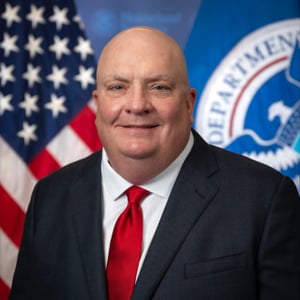
Brian Fish





On March 27, the Supreme Court heard oral argument in United States v. Hansen. At issue in Hansen is whether 8 U.S.C. § 1324(a)(1)(A)(iv) and (B)(i), a federal criminal statute that prohibits encouraging or inducing unlawful immigration for commercial or financial benefit sometimes termed “the encouragement provision,” violates the First Amendment.
Helamen Hansen operated an advising service for undocumented immigrants who wanted to pursue U.S. citizenship. Under the encouragement provision, Hansen was convicted of two counts of encouraging or inducing illegal immigration for financial gain (along with other federal crimes). He challenged those convictions, contending the law is facially overbroad. The Ninth Circuit agreed, vacating his convictions on those counts.
Hansen follows on the heels of another case with similar questions. Back in 2020, in United States v. Sinening-Smith, the Supreme Court reversed a Ninth Circuit decision that attempted to strike down the encouragement provision on the grounds the decision attempted to address an issue that was outside of the issue before the court. Hansen now brings those same constitutional issues to the fore.
Please join us to hear the oral argument broken down and analysed.
Featuring:
Brian Fish, Special Assistant, United States Attorney, Baltimore, Maryland
*******
As always, the Federalist Society takes no position on particular legal or public policy issues; all expressions of opinion are those of the speaker.