Deep Dive Episode 258 - AI & Antidiscrimination: AI Entering the Arena of Labor & Employment Law [Keynote Address]
Regulatory Transparency Project's Fourth Branch Podcast


Artificial Intelligence (AI), once the stuff of science fiction, is now more than ever a part of everyday life, regularly affecting the lives of individuals the world over, sometimes in ways they may not even know. AI is increasingly used both in the public and private sectors for facial recognition, dataset analysis, risk and performance predictions, and much more, though how companies use it and the actual input it has can be unclear.
Experts have warned that the expanded use of AI, especially in areas related to labor and employment, if uninvestigated, could pose serious issues. Some contend that the use of AI tools can help make hiring processes more efficient and perhaps remove human biases from the equations. Others note that while this may be an admirable goal, many AI tools have been shown to produce discriminatory outcomes. The opaque nature of how some of these AI tools operate further complicates matters, as how an AI came to a particular decision and the data it referenced may not be clear to the human reviewer, thus making the identification of discriminatory practices harder to identify.
All of these issues, especially given the increasing use of AI tools in the hiring processes of many companies, raise several questions concerning AI’s entrance into the Labor and Employment space. What benefits and challenges does using AI in hiring present? How can AI be used to combat discrimination? What happens when AI itself is discriminatory, how can that be identified and addressed? What statutes and regulations apply to AI, and do the existing legal and regulatory frameworks concerning anti-discrimination in labor and employment suffice to address the novel nature of AI?
Featuring:
Visit our website – www.RegProject.org – to learn more, view all of our content, and connect with us on social media.
*******
As always, the Federalist Society takes no position on particular legal or public policy issues; all expressions of opinion are those of the speaker.
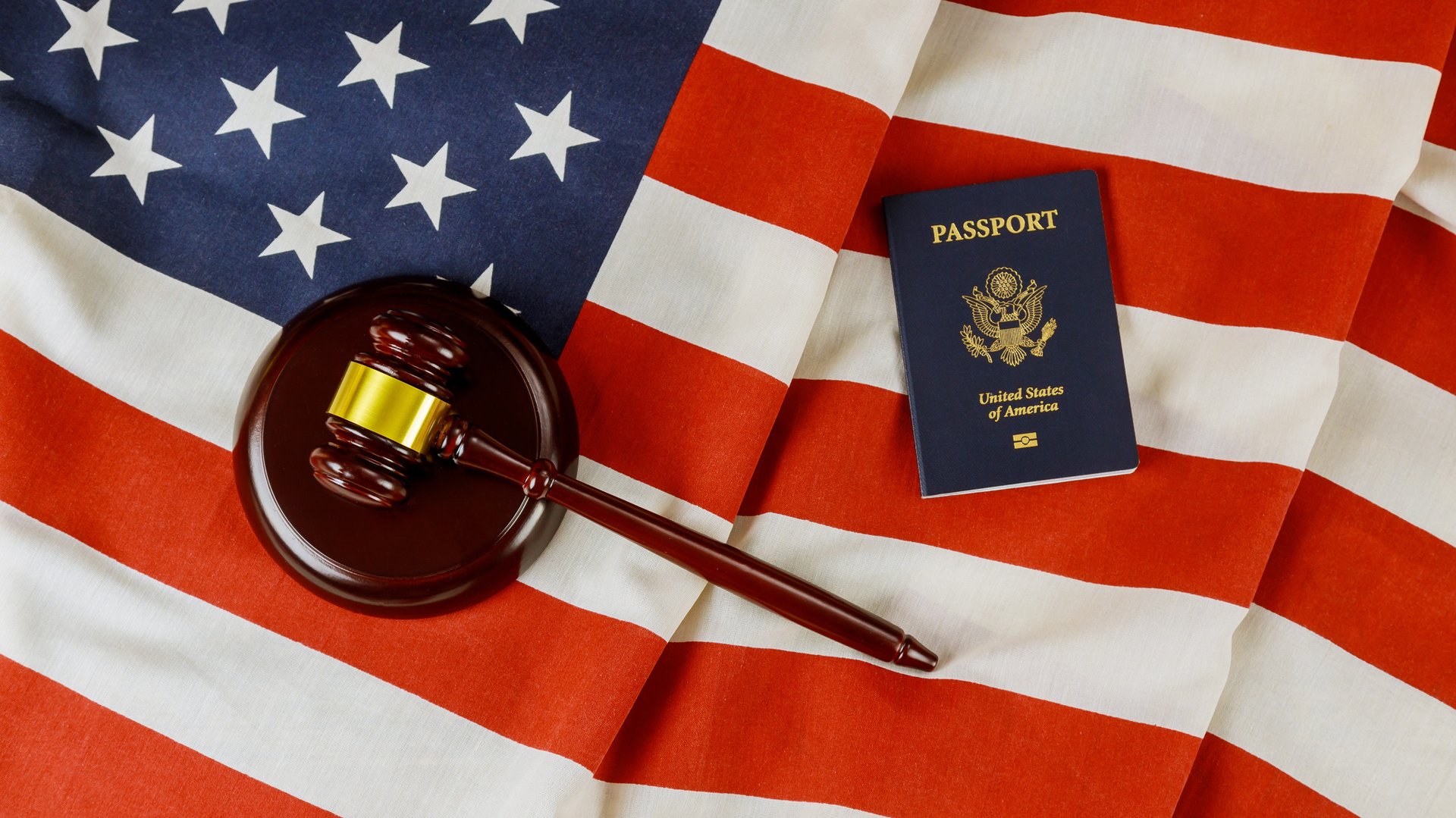
Deputy Secretary of Labor, U.S. Department of Labor
Keith E. Sonderling was confirmed by the U.S. Senate on March 12, 2025 to be the 38th United States Deputy Secretary of Labor.
As the United States Deputy Secretary of Labor, Sonderling is the second-highest-ranking official and serves as the Department's Chief Operating Officer, overseeing the agency’s $14 billion dollar budget and 16,000 employees. The Deputy Secretary oversees key operational functions such as: strategic planning; budget formulation; financial management; information technology; and human resource management. Additionally, the Deputy Secretary provides the leadership and management of DOL’s agencies necessary to support the Secretary and the Department’s mission.
Prior to becoming Deputy Secretary, he was previously confirmed by the United States Senate to serve as the Commissioner of the U.S. Equal Employment Opportunity Commission (EEOC) from September 2020 until August 2024. He also served as the Commission’s Vice-Chair from 2020-2021.
During his tenure at the EEOC, one of Sonderling’s highest priorities was ensuring that artificial intelligence and workplace technologies are designed and deployed consistent with long-standing laws. He published numerous articles on the benefits and potential harms of using artificial intelligence-based technology in the workplace and spoke globally on artificial intelligence’s impact on the workplace.
Sonderling previously served at the US Department of Labor as the Acting and Deputy Administrator of the U.S. Department of Labor’s Wage and Hour Division from 2017-2020. During his tenure, the Division accomplished back-to-back record-breaking enforcement collections and educational outreach events. Sonderling also oversaw the development and publication of large-scale deregulatory rules and authored numerous Opinion Letters, Field Assistance Bulletins, and All Agency Memorandums. Additionally, he was instrumental in developing the Division’s first comprehensive self-audit program, which collected more than $7 million for nearly eleven thousand workers.
Before his government service, Sonderling was a partner at one of Florida’s oldest and largest law firms, Gunster. At Gunster, he counseled employers and litigated labor and employment disputes. In 2012, then-Governor Rick Scott appointed Sonderling to serve as the Chair of the Judicial Nominating Committee for appellate courts in South Florida. Sonderling was also active in the community, serving on the Board of Directors for Morse Life Health System, the Boca Raton Chamber of Commerce, and Leadership Florida.
Sonderling also serves as a Professional Lecturer in the Law (Adjunct Professor) at George Washington University Law School, teaching employment discrimination.
Sonderling received his B.S., magna cum laude, from the University of Florida and his J.D., magna cum laude, from Nova Southeastern University.