Note from the Editor: The Federalist Society takes no positions on particular legal and public policy matters. Any expressions of opinion are those of the author. We welcome responses to the views presented here. To join the debate, please email us at info@fedsoc.org.
The first three years of the Trump administration have been contentious and tumultuous, to say the least. Although there are many contenders for the top prize, many people would put the president’s immigration policies at the top of the list of things he’s done to arouse his opponents’ ire.
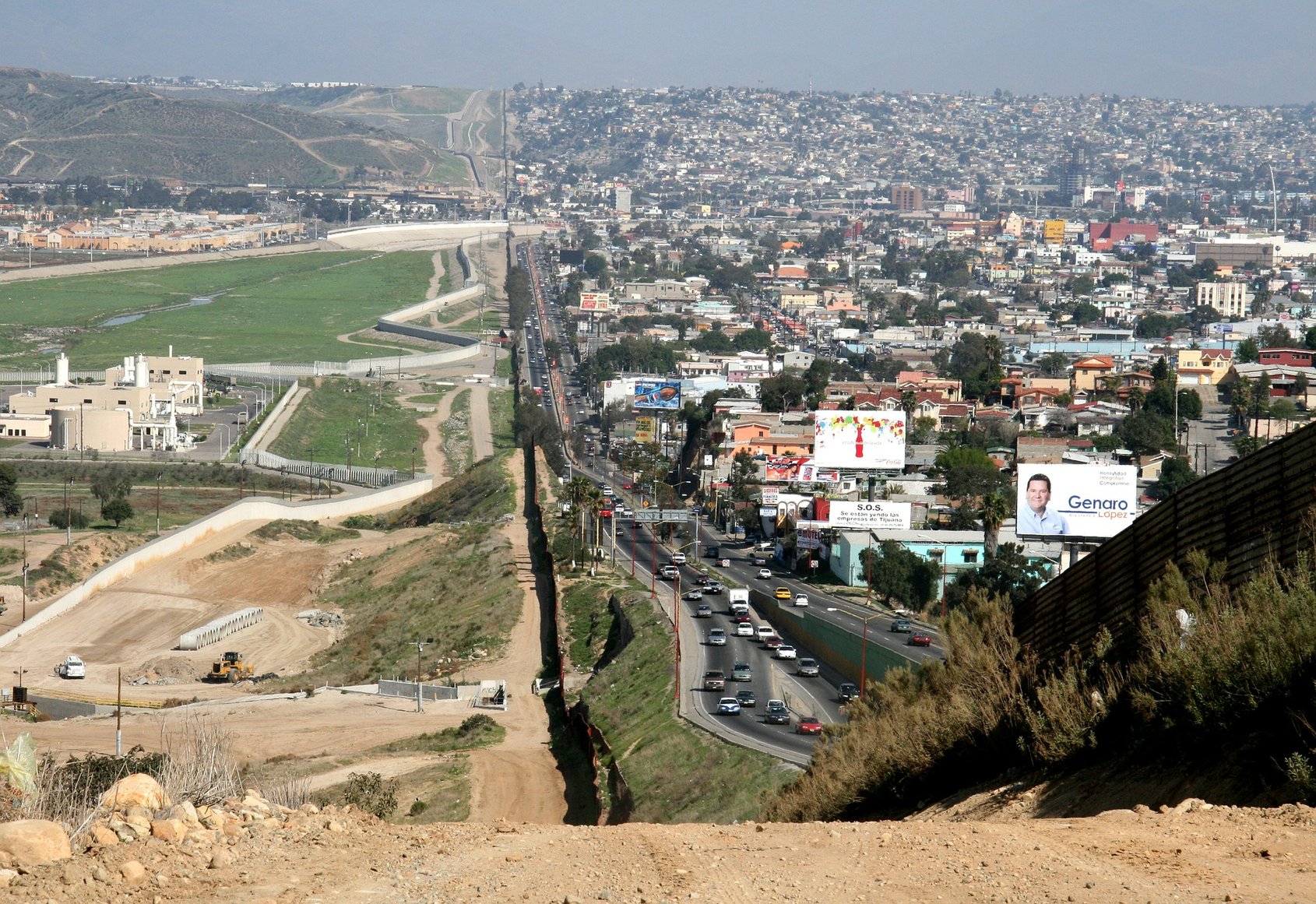
Amid the clarion calls to halt deportations, stop the rescission of the DACA program, open our borders, and abolish ICE, over 300 states, cities, and counties throughout the country have declared themselves to be “sanctuary jurisdictions.” They prohibit their officials from asking detainees about their immigration status and from providing information to federal immigration officials about unlawful immigrants who may be in custody or otherwise living in their jurisdictions.
The administration has responded primarily in two ways. First, it has tried to shame sanctuary jurisdictions by highlighting violent crimes committed against their citizens by deportable individuals who were released back into the community by local officials without alerting federal authorities to their impending release. This has been a politically powerful message—one that resonates strongly with the president’s supporters.
The administration’s second response has been to try to withhold certain federal law enforcement funds from sanctuary jurisdictions. The theory underpinning this initiative is that jurisdictions seeking to undermine federal immigration enforcement and policy should not be rewarded with federal money.
Several jurisdictions have challenged the withholding of these funds in court, claiming that they have a right—under the 10th Amendment and principles of federalism—to instruct their officials not to assist in implementing a federal policy with which they disagree. Moreover, they argue, Congress sets the terms and conditions for receipt of these funds and the administration is not at liberty to supplement those conditions.
The challengers have won most of these cases thus far, but the issue may soon reach the Supreme Court. The Criminal Law Practice Group of the Federalist Society will host a panel discussion on this timely and controversial topic next Thursday afternoon at the Society’s National Lawyers Convention.
Fifth Circuit Judge Kurt Engelhardt will moderate this discussion of “The Wisdom and Legality of Sanctuary Cities.” The panel features former U.S. Attorney General Jeff Sessions, 3rd Circuit Judge Stephanos Bibas, Scalia Law School Professor Ilya Somin, Associate Director of Litigation for the National Immigration Justice Center Mark Fleming, and Director of Litigation for the Immigration Reform Law Institute Chris Hajec.