Facts of the Case
At May term, 1888, of that court, an indictment was found by the grand jury against George R. Eaton, containing two counts. The first count alleged that on the 1st of November, 1886, and on divers days thereafter, up to and until the 28th of June, 1887, at Boston, in that district, and at a place of business situated therein, the defendant was engaged in the business, avocation, and employment of a wholesale dealer in oleomargarine, and was subject and liable to all needful regulations made by the Commissioner of Internal Revenue of the United States, with the approval of the Secretary of the Treasury, for the carrying into effect of the Act of Congress approved August 2, 1886, c. 840, 24 Stat. 209, entitled "An act defining "butter," also imposing a tax upon and regulating the manufacture, sale, importation, and exportation of oleomargarine;" that, at the times above mentioned, said regulations were well known to the defendant, and it became his duty to keep a book showing the oleomargarine received by him, and from whom the same was received, and also showing the oleomargarine disposed of by him, and to whom the same was sold or delivered, in accordance with the regulations made by the Commissioner of Internal Revenue and approved by the Secretary of the Treasury on August 25, 1886; and that, at the times above mentioned, he willfully, knowingly, and unlawfully failed to keep such book showing the matters above stated, as required by law. The second count alleged, with the other averments contained in the first count, that it became the duty of the defendant to make a monthly return to the collector of internal revenue showing the oleomargarine received by the defendant, and from whom it was received, and also that disposed of by him, and to whom it was sold or delivered, in accordance with said regulations, and that, at the times above mentioned, he willfully, knowingly, and unlawfully failed to make such monthly return to the collector of internal revenue as required by law. The defendant filed a demurrer to the indictment, alleging that it was insufficient in law.
Conclusions
-
A regulation made August 25, 1886, by the Commissioner of Internal Revenue, with the approval of the Secretary of the Treasury, under § 20 of the Act of August 2, 1886, c. 840, 24 Stat. 209, in relation to oleomargarine, required wholesale dealers therein to keep a book, and make a monthly return, showing certain prescribed matters. A wholesale dealer in the article who fails to comply with such regulation is not liable to the penalty imposed by § 18 of the act, because he does not omit or fail to do a thing required by law in the carrying on or conducting of his business. There are no common law offenses against the United States. It is necessary that a sufficient statutory authority should exist for declaring any act or omission a criminal offense, and the statutory authority in the present case was not sufficient.
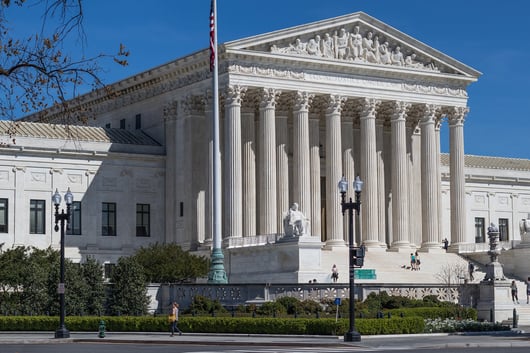
Party Like It’s 1935?: Gundy v. United States and the Future of the Non-Delegation Doctrine
Federalist Society Review, Volume 19
Note from the Editor: This article discusses Gundy v. United States, a case involving the...