Facts of the Case
The Tennessee Valley Authority was a government corporation established as part of the New Deal to improve the economy of the state. For example, projects of the TVA included improving navigation on the state's rivers, constructing flood control projects, and generating hydroelectric power. Shareholders in a private Tennessee power company sued to prevent the TVA from acquiring over half of the company's property and equipment. The proposed contract which detailed the sale would allow the government agency to allocate electric power to consumers.
Questions
Did Congress exceed its power in implementing and administering the TVA?
Conclusions
-
No. The Court held that Congress did not abuse its power with the TVA. Justice Hughes argued that the Wilson Dam, the location where the TVA was in the business of generating electricity, had been built originally in the interest of national defense: it produced materials involved in munitions manufacture. The government could sell excess electricity to consumers without violating the Constitution. This case is especially important for the concept of judicial review as expressed in Justice Brandeis's concurrence.. Brandeis articulated a set of "rules" governing the appropriateness of judicial review.
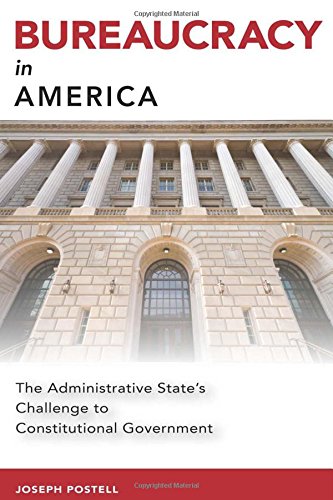
Can Americans Reconcile Our Constitutional System With an Expansive Administrative State?
Federalist Society Review, Volume 19
A review of: Bureaucracy in America: The Administrative State’s Challenge to Constitutional Government, by Joseph...

Al-Marri: Al-Qaeda Prisoner Dentention Case
Online Debate
On June 11, 2007, the Fourth Circuit Court of Appeals decided the case of al-Marri v. Wright....