

Partner, Morgan, Lewis & Bockius LLP
Michael Edney defends executives and corporations in criminal prosecutions and agency enforcement actions, successfully challenging numerous regulatory agencies—from the Justice Department to the US Securities and Exchange Commission and the US Commodity Futures Trading Commission, among others—against federal government overreach. Many of the regulations Mike has convinced the courts to reverse would have arbitrarily ended hundreds of businesses absent the courts’ intervention. He has also successfully challenged government decisions to break contracts and end projects in cooperation with private industry.
In addition to his criminal defense practice, Mike regularly brings actions challenging government agency regulations as illegal and unconstitutional before they are enforced. He has sued government agencies and reversed their attempted regulations seeking to upend the energy, financial, and tobacco industries.
His civil litigation practice spans beyond anti-regulatory suits. He has brought some of the leading First Amendment cases in the country. On behalf of The Washington Free Beacon, he vindicated the publication’s First Amendment right to access sealed court records before the Arizona Supreme Court. He has defended corporations in bet-the-company litigation concerning securities, environmental, employment, and fair housing. He has represented states at the request of their governors. He has repeatedly served as counsel for former Attorneys General of the United States when they appear as amici curiae before the Supreme Court.
Mike also represents clients on numerous national security matters, including the Classified Information Procedures Act, the Foreign Agent Registration Act, matters before the Committee on Foreign Investment in the United States, government cybersecurity investigations into companies regarded as critical national infrastructure, the handling of classified information by government contractors, and prepublication review of books authored by former government officials for sensitive and classified information.
His private practice draws from a half decade of prior government service. During the administration of former President George W. Bush, he served as deputy legal advisor to the National Security Council at the White House and in the Office of Legal Counsel at the United States Department of Justice, where he helped the administration address many legal issues pertaining to the United States' post-9/11 campaign against terrorism.
Before joining Morgan Lewis, Mike was a litigation partner at another global law firm.
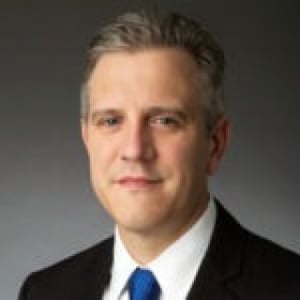
Non-Resident Senior Fellow, Reiss Center on Law and Security at NYU School of Law
Christopher Fonzone is a Non-Resident Senior Fellow at the Reiss Center on Law and Security at NYU School of Law. Fonzone served as the Assistant Attorney General for the Office of Legal Counsel (OLC) at the Department of Justice from 2023 to 2025. OLC, by delegation from the Attorney General, provides written opinions and other legal advice to the President and all executive branch agencies on a wide range of issues, with a focus on matters of particular complexity or importance, including sensitive national security matters.
Fonzone previously held a number of other government roles. From 2021 to 2023, he was the General Counsel of the Office of the Director of National Intelligence. During the Obama Administration, Fonzone was Deputy Assistant and Deputy Counsel to President Obama and the Legal Adviser to the National Security Council (NSC). And earlier in his career, Fonzone was Special Counsel to General Counsel of the Department of Defense and served in career roles at the Department of Justice, both at OLC and on the Civil Division’s Appellate Staff. Fonzone also served as a Member on the J. William Fulbright Foreign Scholarship Board from 2017 to 2019.
Outside of government, Fonzone is currently a Member of Anthropic’s National Security and Public Sector Advisory Council, where he supports the identification and development of AI applications that strengthen U.S. capabilities in key areas and assists in the development of industry-leading standards to promote a “race to the top” for responsible national security AI solutions. He was also the lead national security counsel to the Biden-Harris Transition, and a partner in Sidley Austin’s Privacy and Cybersecurity group, with a practice that focused on a wide range of issues related to information technology and cybersecurity.
Fonzone has lectured and taught classes on national security law at a variety of law schools, and his writing on national security and other legal topics has been published in a variety of forums, including the Washington Post, Newsweek, Lawfare, and Just Security.
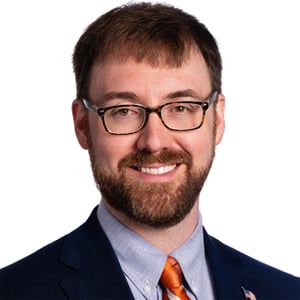
Senior Legal Fellow, Courts and the Constitution, Legal Policy Center, The Heritage Foundation
Zack is a Senior Legal Fellow of Courts and the Constitution at The Heritage Foundation.
He previously served for several years as an Assistant United States Attorney in the Northern District of Florida. Prior to that, he spent two years as an associate in the Washington, D.C. office of Cleary Gottlieb Steen & Hamilton, which he joined after clerking for the Hon. Emmett R. Cox on the United States Court of Appeals for the Eleventh Circuit.
Smith received his undergraduate, master’s, and law degrees from the University of Florida. During law school, Smith served as the Editor in Chief of the Florida Law Review and served on the executive boards of several student organizations, including the UF Chapter of the Federalist Society.
Partner, Morgan, Lewis & Bockius LLP
Michael Edney defends executives and corporations in criminal prosecutions and agency enforcement actions, successfully challenging numerous regulatory agencies—from the Justice Department to the US Securities and Exchange Commission and the US Commodity Futures Trading Commission, among others—against federal government overreach. Many of the regulations Mike has convinced the courts to reverse would have arbitrarily ended hundreds of businesses absent the courts’ intervention. He has also successfully challenged government decisions to break contracts and end projects in cooperation with private industry.
In addition to his criminal defense practice, Mike regularly brings actions challenging government agency regulations as illegal and unconstitutional before they are enforced. He has sued government agencies and reversed their attempted regulations seeking to upend the energy, financial, and tobacco industries.
His civil litigation practice spans beyond anti-regulatory suits. He has brought some of the leading First Amendment cases in the country. On behalf of The Washington Free Beacon, he vindicated the publication’s First Amendment right to access sealed court records before the Arizona Supreme Court. He has defended corporations in bet-the-company litigation concerning securities, environmental, employment, and fair housing. He has represented states at the request of their governors. He has repeatedly served as counsel for former Attorneys General of the United States when they appear as amici curiae before the Supreme Court.
Mike also represents clients on numerous national security matters, including the Classified Information Procedures Act, the Foreign Agent Registration Act, matters before the Committee on Foreign Investment in the United States, government cybersecurity investigations into companies regarded as critical national infrastructure, the handling of classified information by government contractors, and prepublication review of books authored by former government officials for sensitive and classified information.
His private practice draws from a half decade of prior government service. During the administration of former President George W. Bush, he served as deputy legal advisor to the National Security Council at the White House and in the Office of Legal Counsel at the United States Department of Justice, where he helped the administration address many legal issues pertaining to the United States' post-9/11 campaign against terrorism.
Before joining Morgan Lewis, Mike was a litigation partner at another global law firm.
Non-Resident Senior Fellow, Reiss Center on Law and Security at NYU School of Law
Christopher Fonzone is a Non-Resident Senior Fellow at the Reiss Center on Law and Security at NYU School of Law. Fonzone served as the Assistant Attorney General for the Office of Legal Counsel (OLC) at the Department of Justice from 2023 to 2025. OLC, by delegation from the Attorney General, provides written opinions and other legal advice to the President and all executive branch agencies on a wide range of issues, with a focus on matters of particular complexity or importance, including sensitive national security matters.
Fonzone previously held a number of other government roles. From 2021 to 2023, he was the General Counsel of the Office of the Director of National Intelligence. During the Obama Administration, Fonzone was Deputy Assistant and Deputy Counsel to President Obama and the Legal Adviser to the National Security Council (NSC). And earlier in his career, Fonzone was Special Counsel to General Counsel of the Department of Defense and served in career roles at the Department of Justice, both at OLC and on the Civil Division’s Appellate Staff. Fonzone also served as a Member on the J. William Fulbright Foreign Scholarship Board from 2017 to 2019.
Outside of government, Fonzone is currently a Member of Anthropic’s National Security and Public Sector Advisory Council, where he supports the identification and development of AI applications that strengthen U.S. capabilities in key areas and assists in the development of industry-leading standards to promote a “race to the top” for responsible national security AI solutions. He was also the lead national security counsel to the Biden-Harris Transition, and a partner in Sidley Austin’s Privacy and Cybersecurity group, with a practice that focused on a wide range of issues related to information technology and cybersecurity.
Fonzone has lectured and taught classes on national security law at a variety of law schools, and his writing on national security and other legal topics has been published in a variety of forums, including the Washington Post, Newsweek, Lawfare, and Just Security.
Senior Legal Fellow, Courts and the Constitution, Legal Policy Center, The Heritage Foundation
Zack is a Senior Legal Fellow of Courts and the Constitution at The Heritage Foundation.
He previously served for several years as an Assistant United States Attorney in the Northern District of Florida. Prior to that, he spent two years as an associate in the Washington, D.C. office of Cleary Gottlieb Steen & Hamilton, which he joined after clerking for the Hon. Emmett R. Cox on the United States Court of Appeals for the Eleventh Circuit.
Smith received his undergraduate, master’s, and law degrees from the University of Florida. During law school, Smith served as the Editor in Chief of the Florida Law Review and served on the executive boards of several student organizations, including the UF Chapter of the Federalist Society.

Professor of Law, South Texas College of Law Houston
Josh Blackman is a national thought leader on constitutional law and the United States Supreme Court. Josh’s work was quoted during two presidential impeachment trials. He has testified before Congress and advises federal and state lawmakers. Josh regularly appears on TV, including NBC, CBS, ABC, Fox, and the BBC. Josh is also a frequent guest on NPR and other syndicated radio programs. He has published commentaries in the New York Times, Wall Street Journal, Washington Post, and leading national publications.
Since 2012, Josh has served as a professor at the South Texas College of Law Houston. He holds the Centennial Chair of Constitutional Law. Josh is an Adjunct Fellow at the Manhattan Institute. Josh has written more than seven dozen law review articles that have been cited more than a thousand times. Josh was selected as the Jurist of the Year by the Texas Journal of Law & Public Policy, received the inaugural Meese III Originalism Award, and was awarded the Inaugural Joseph Story Award. Josh was selected by Forbes Magazine for the “30 Under 30” in Law and Policy. Josh is the President of the Harlan Institute, and founded FantasySCOTUS, the Internet’s Premier Supreme Court Fantasy League. He blogs at the Volokh Conspiracyand posts@JoshMBlackman.

Professor of Practice and Distinguished Scholar in Residence; Co-Director of the Legislative and Regulatory Process Clinic, New York University School of Law
Sally Katzen served in the Clinton administration as administrator of the Office of Information and Regulatory Affairs in the Office of Management and Budget (OMB), as deputy assistant to the president for economic policy and deputy director of the National Economic Council in the White House, and then as the deputy director for management at OMB. She served as the head of the Agency Review Group for the Obama/Biden transition with responsibility for the Executive Office of the President and all government-wide agencies. She has taught both undergraduates and at various law schools. She is a member of the American Law Institute and the National Academy of Public Administration, has served on multiple panels for the National Academy of Sciences, testified frequently before Congress, and is on the board of several non-profit organizations. Before joining the Clinton administration, Katzen was a partner in the Washington, DC, law firm of Wilmer, Cutler & Pickering, specializing in regulatory and legislative matters, while serving in leadership roles in the American Bar Association (including chair of the Section on Administrative Law and Regulatory Practice and as DC delegate to the ABA’s House of Delegates), as president of the Federal Communications Bar Association and as president of the Women’s Legal Defense Fund. She graduated from Smith College and the University of Michigan Law School, where she was the first woman editor-in-chief of the Law Review. She clerked for Judge J. Skelly Wright of the United States Court of Appeals for the District of Columbia Circuit and served in the Carter administration as the general counsel of the Council on Wage and Price Stability in the Executive Office of the President.
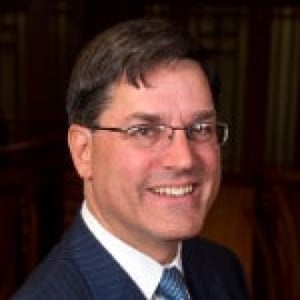
Vice President for Public Policy, American Forest and Paper Association
Paul Noe serves as Vice President for Public Policy at the American Forest and Paper Association. Paul has extensive regulatory, legislative and technical experience, including in environmental regulation, regulatory reform, renewable energy, biomass carbon neutrality, chemicals and product stewardship, workplace health and safety, and sustainability. He previously served as the Vice President of Regulatory Affairs at the Grocery Manufacturers Association.
Paul also has broad experience in public service, including as Counselor to the Administrator in the Office of Information and Regulatory Affairs, Office of Management and Budget (2001-2006), where he helped to lead the development of regulatory policy and White House review of regulations in the Administration of George W. Bush. He previously served as Senior Counsel to the U.S. Senate Committee on Governmental Affairs under Chairmen Fred Thompson, Ted Stevens and Bill Roth (1995-2001), where his work focused on reforming the regulatory process. He also has been a lawyer in private practice, most recently as a partner with C&M Capitolink LLC, as well as counsel in Crowell & Moring’s Environment and Natural Resources Group.
Paul currently serves as the Co-Chair of the Legislation Committee in the American Bar Association’s Section of Administrative Law and Regulatory Practice, and recently coauthored a chapter, “Beyond Process Excellence: Enhancing Societal Well-Being,” published in a book by Brookings Institution Press entitled, “Achieving Regulatory Excellence.” In the spring of 2016, he also served as a Policy Fellow at the University of Pennsylvania Law School, where he offered lectures in environmental law, advanced regulatory policy, legislation, and administrative law.
Paul is a graduate of The Georgetown University Law Center, where he was a John M. Olin fellow in law and economics and an editor on the law journal, and Williams College, where he was a member of Phi Beta Kappa.

Of Counsel, Covington & Burling LLP
The Honorable Paul J. Ray is currently Of Counsel at Covington & Burling LLP where he advises clients on regulatory opportunities and challenges and helps them formulate and execute advocacy strategies for their regulatory policy priorities before the executive branch and Congress.
During the first Trump Administration, Paul held various senior positions at the Office of Information and Regulatory Affairs (OIRA) within the White House’s Office of Management and Budget, including as acting, and then Senate-confirmed, head of the office. As OIRA Administrator (the "regulations czar"), Paul supervised the review of hundreds of regulations from across the government, drafted numerous executive orders governing the regulatory process, and led the Administration’s regulatory reform effort. As a result of this experience, Paul is well-positioned to help clients understand and achieve regulatory policy priorities in the context of the government’s regulatory agenda and ongoing reform efforts.
Most recently, Paul was also the Director of the Roe Institute for Economic Policy Studies at The Heritage Foundation. In that role, he supervised the formulation of the Foundation’s economic and regulatory policy recommendations and provided technical assistance to congressional committees and staff regarding legislative changes to the regulatory process. In addition to his role at The Heritage Foundation, Paul also served as a Senior Advisor at a strategic advisory firm. Before his time in government, Paul practiced law at a law firm in Washington, specializing in administrative law matters.
Prior to his role at the White House, Paul was Counselor to the Secretary at the U.S. Department of Labor. There he led departmental efforts in high-profile rulemakings and helped formulate the Department’s legal positions and strategy.
Paul served as a law clerk to Supreme Court Justice Samuel Alito and as a law clerk to the Honorable Debra Livingston of the U.S. Court of Appeals for the Second Circuit.
Paul is a thought leader in the conservative legal movement and is a frequent commentator and speaker on regulatory policy and reform matters, including at law schools, professional gatherings, and other venues. He is the Chairman of Innovations in Peacebuilding International and the Regulatory Process Working Group of the Federalist Society’s Regulatory Transparency Project and a public member of the Administrative Conference of the United States. Paul is also an adjunct lecturer at the Hillsdale College School of Government.
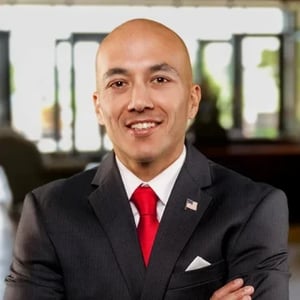
Executive Director of External Affairs and Senior Counsel, First Liberty Institute
Mike Berry serves as Executive Director of External Affairs and Senior Counsel at First Liberty Institute. Mike returned to First Liberty after serving as Chief Counsel to United States Senator Ted Cruz.
Prior to working on the Hill, Mike spent many years in public interest litigation including with First Liberty from 2013-2024. Prior to that, Mike served for seven years as an attorney with the U.S. Marine Corps, leaving active duty in 2013. Among his numerous positions within the Marine Corps, Mike deployed to Afghanistan in 2008 and he served as an Adjunct Professor of Law at the United States Naval Academy. Mike continues to proudly serve our nation as a member of the Marine Corps Reserve.
Mike earned his bachelor’s degree from Texas A&M University, and he earned his law degree from The Ohio State University.
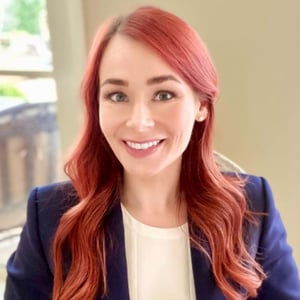
Anna Bower is a senior editor at Lawfare. Anna holds a Bachelor of Laws from the University of Cambridge and a Juris Doctorate from Harvard Law School. She joined Lawfare as a recipient of Harvard’s Sumner M. Redstone Fellowship in Public Service. Prior to law school, Anna worked as a judicial assistant for a Superior Court judge in the Northeastern Judicial Circuit of Georgia. She also previously worked as a Fulbright Fellow at Anadolu University in Eskişehir, Turkey. A native of Georgia, Anna is based in Atlanta and Washington, D.C.
Founder, Article III Project
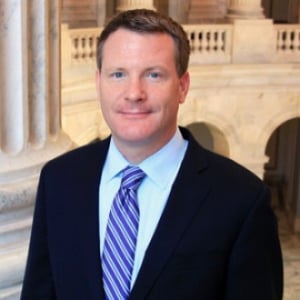
Mike Davis, the former Chief Counsel for Nominations to Senate Judiciary Chairman Chuck Grassley, is the founder and president of the Article III Project (A3P). A3P defends constitutionalist judges and the rule of law. Davis also leads the Internet Accountability Project (IAP), an advocacy organization fighting to rein in Big Tech, along with the Unsilenced Majority, an organization dedicated to opposing Cancel Culture and fighting back against the woke mob and their enablers.
As Chief Counsel for Nominations, Davis advised Chairman Grassley and other senators on the confirmation of federal judges and senior Executive Branch appointees, serving as staff lead for 30 hearings and 41 markup meetings. He oversaw the floor votes for 278 nominees, including the confirmations of Justice Brett Kavanaugh and the record number of circuit judges confirmed during President Trump’s first two years in office.
Davis has served in all three branches of the federal government, including for President George W. Bush, the Justice Department, House Speaker Newt Gingrich, and current Supreme Court Justice Neil Gorsuch. Davis also led the outside support team for Justice Gorsuch’s successful confirmation to the Supreme Court.
Before returning to public service in 2017, Davis spent nearly ten years as a civil litigator in Denver, working at one of the largest law firms in the world and one of the top-ranked law firms in Colorado before running his own law practice for more than five years.
Davis is from Des Moines, Iowa. He received his Bachelor of Arts in 2000 and Juris Doctor in 2004, both from the University of Iowa. In 2017, Davis received Iowa Law’s “Emerging Leader Award.” Davis also serves on the University of Iowa Political Science Advisory Board.
United States Attorney, Southern District of Florida
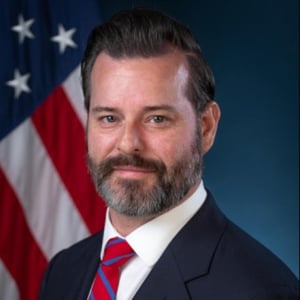
Jason A. Reding Quiñones was sworn in on August 13, 2025, as the United States Attorney for the Southern District of Florida, following his nomination by President Donald J. Trump and confirmation by the United States Senate. He is the first U.S. Attorney confirmed during President Trump’s second administration and was administered the oath of office by Attorney General Pamela Bondi.
Prior to his appointment, U.S. Attorney Reding Quiñones served as a trial judge in the Eleventh Judicial Circuit of Florida, where he presided over both civil and criminal domestic violence cases. His previous federal service includes work as a national security official in the Department of Justice’s National Security Division, where he focused on counterterrorism matters and intelligence operations, and as a federal prosecutor in both the Eastern District of Virginia and the Southern District of Florida, where he tried both civil and criminal cases on behalf of the United States.
A decorated veteran of more than 22 years of military service, U.S. Attorney Reding Quiñones has served in both the United States Army and the United States Air Force as a cavalry scout, infantry officer, logistics officer, and judge advocate. He continues to serve as a reserve lieutenant colonel, providing legal counsel on national security and counterterrorism matters to the Commander, U.S. Central Command.
U.S. Attorney Reding Quiñones earned a Bachelor of Arts in Anthropology, with a minor in Military Sciences, from the University of Florida, and a Juris Doctor from Florida International University College of Law.
Partner, Continental PLLC
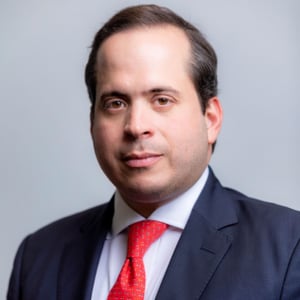
Jesus M. Suarez is a Chambers USA ranked trial lawyer who excels at counseling clients through challenging legal situations. Jesus has broad experience in matters involving complex legal and financial disputes, including controversies involving bankruptcies, civil and criminal litigation, and related governmental inquiries. Jesus often represents parties in litigation matters arising from business disputes, business reorganizations, liquidations, Ponzi schemes, and other fraudulent and insolvent enterprises. He also counsels clients before various municipal, state and federal governments and agencies.
In addition to being recognized by Chambers & Partners USA in the Florida: Bankruptcy Litigation category, he is AV rated by Martindale-Hubbell, and has been recognized as a Rising Star by Florida Super Lawyers and a Top Up and Comer by Florida Trend. He is a graduate of the National Institute of Trial Advocacy (National Session).
Jesus is a member of the Florida Bar and admitted to practice before the U.S. District Court and U.S. Bankruptcy Court for the Southern and Middle Districts of Florida. He received his Juris Doctor from the University of Florida College of Law and inducted into Florida Blue Key.
Jesus earned his Bachelor of Business Administration, cum laude, from Loyola University Chicago, where he majored in finance and international business. Jesus is a member of the Belen Jesuit Alumni Association and the Federalist Society for Law and Public Policy Studies.
Jesus is the 2024-2025 Chair of the Eleventh Circuit Judicial Nominating Commission. He was appointed to the JNC by Governor Ron DeSantis in 2021.

Vice President, Edwin Meese III Institute for the Rule of Law, Advancing American Freedom
John G. Malcolm oversees Advancing American Freedom’s work to increase understanding of the Constitution and the rule of law as Vice President of the organization’s Edwin Meese III Institute for the Rule of Law. Malcolm brings to the challenge a wealth of legal expertise and experience in both the public and private sectors.
Prior to joining Advancing American Freedom in 2025, Malcolm was the Vice President of the Institute for Constitutional Government and the Director of the Meese Center for Legal and Judicial Studies at the Heritage Foundation. Prior to joining Heritage in 2012, Malcolm was general counsel at the U.S. Commission on International Religious Freedom, as well as a distinguished practitioner in residence at Pepperdine Law School. From 2004 to 2009, Malcolm was executive vice president and director of worldwide anti-piracy operations for the Motion Picture Association.
Malcolm served as a deputy assistant attorney general in the Department of Justice’s Criminal Division from 2001 to 2004, where he oversaw sections on computer crime and intellectual property, domestic security, child exploitation and obscenity, and special investigations. Immediately prior to that, he was a founding partner in the Atlanta law firm of Malcolm & Schroeder, LLP.
From 1990 to 1997, Malcolm was an assistant U.S. attorney in Atlanta, assigned to the fraud and public corruption section, and also an associate independent counsel, investigating fraud and abuse in the Department of Housing and Urban Development. He was honored with the Director’s Award for Superior Performance for his work in connection with the successful prosecution of Walter Leroy Moody Jr., who assassinated an 11th Circuit judge and the head of the Savannah chapter of the NAACP.
A graduate of Harvard Law School and Columbia College, Malcolm began his career as a law clerk to a federal district court judge and a federal appellate court judge, and as an associate at the Atlanta-based law firm of Sutherland, Asbill & Brennan (new Eversheds Sutherland).
Malcolm, who resides in Washington, D.C., serves on the Board of Trustees of the Washington National Opera and is a Senate-confirmed member of the Board of Directors of the Legal Services Corporation, the largest funder of civil legal aid in the United States.

Emanuel S. Heller Professor of Law, University of California at Berkeley; Thomas Smith Senior Research Fellow, The Civitas Institute, University of Texas at Austin
John Yoo is the Emanuel Heller Professor of Law at the University of California at Berkeley. He is also the Thomas Smith Senior Research Fellow, Civitas Institute, at the University of Texas at Austin. He is also a Nonresident Senior Fellow at the American Enterprise Institute.
His most recent book, The Politically Incorrect Guide to the Supreme Court, co-authored with Robert Delahunty, was published in 2023. Professor Yoo’s other books include Defender-in-Chief: Trump’s Fight for Presidential Power; Striking Power: How Cyber, Robots, and Space Weapons Change the Rules for War; Point of Attack: Preventive War, International Law, and Global Welfare; and Crisis and Command: A History of Executive Power from George Washington to George Bush.
He is a co-author of volumes 1 and 2 of R. Rossum, G. Tarr, V. Munoz & J. Yoo American Constitution Law (Routledge, 2026), and a co-editor of the eight-volume series on the 250th anniversary of the American Revolution, We Hold These Truths, with Yuval Levin and Adam White of the American Enterprise Institute.
Professor Yoo has published more than 100 articles in academic journals on subjects including national security, constitutional law, international law, and the Supreme Court. He also regularly contributes to the editorial pages of the Wall Street Journal, New York Times, Washington Post, Los Angeles Times, and National Review, among others.
Professor Yoo has served in all three branches of government. He was an official in the U.S. Department of Justice, where he worked on national security and terrorism issues after the 9/11 attacks. He served as general counsel of the U.S. Senate Judiciary Committee. He has been a law clerk for Supreme Court Justice Clarence Thomas and federal appeals Judge Laurence Silberman. He has been a visiting professor at the University of Texas at Austin’s School of Civic Leadership, Seoul National University, the Interdisciplinary Center Herzliya, Keio University, Trento University, the University of Chicago, and the Free University of Amsterdam.
Professor Yoo supervises the Public Law and Policy Program and the California Constitution Center. He also serves on the boards of Founding Forward, the Washington Legal Foundation, the Pacific Legal Foundation, the Ulysses Grant Institute, the Federalist Society’s Separation of Powers and Federalism Division, the Universidad Cientifica del Sur Law School, and the Asia-Pacific Law Institute at Seoul National University. He is a winner of the Federalist Society’s Paul Bator award and the Heritage Foundation’s Edwin Meese III Originalism Lectureship.
Professor Yoo graduated from Yale Law School and summa cum laude from Harvard College.
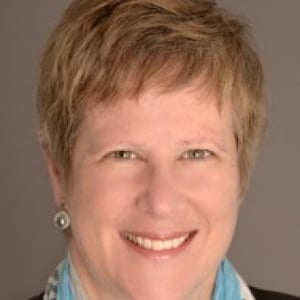
Director, Washington Ofice, Levin Center for Oversight and Democracy
Elise Bean became counsel to U.S. Sen. Carl Levin, D-Mich., on the U.S. Senate Homeland Security and Governmental Affairs Committee in 1985. She worked for him on three subcommittees, under the leadership of Linda Gustitus. In 2003, Levin appointed Bean as staff director and chief counsel of the committee's Permanent Subcommittee on Investigations, which he chaired. Bean retired from the Senate with Levin at the end of 2014.
During her tenure, Bean handled a variety of investigations, hearings and legislation, including matters involving offshore tax abuses, money laundering, foreign corruption, unfair credit card practices, health care fraud, abuses involving derivatives and structured finance, and shell companies with hidden owners. Investigations headed by her included inquiries into the 2008 financial crisis, HSBC money laundering problems, London whale trades at JPMorgan Chase, collapse of Enron, and offshore tax avoidance by Apple, Microsoft and Caterpillar.
In 2016 and 2015, she was included in the Global Tax 50, a list compiled by International Tax Review of the year's top 50 individuals and organizations influencing tax policy and practice. In 2013 and 2011, the Washingtonian magazine named her one of Washington's 100 most powerful women. In 2010, she was selected by the National Law Journal as one of Washington's most influential women lawyers.
Bean graduated Phi Beta Kappa from Wesleyan University in 1978 and earned her law degree, cum laude, from the University of Michigan Law School in 1982. She served as a law clerk to former Chief Judge of the U.S. Claims Court Alex Kozinski, who later served as the chief judge of the Ninth Circuit Court of Appeals. She worked for two years as a trial attorney with the U.S. Department of Justice Civil Frauds Section. Earlier in her career, she worked for U.S. Rep. John Joseph Moakley, D-Mass.

Deputy Secretary of Transportation, US Department of Transportation
Steven G. Bradbury was sworn in as the Deputy Secretary of Transportation on March 13, 2025, following his confirmation by the U.S. Senate on March 11, 2025. In this role, he oversees the Department’s operating administrations and spearheads initiatives to ensure a safe, efficient, and modern transportation system that strengthens economic productivity and global competitiveness. Deputy Secretary Bradbury also assists Secretary Duffy in managing the Department’s activities, including its workforce of over 58,000 employees and an annual budget exceeding $109 billion.
Bradbury previously served as the 23rd General Counsel of the Department of Transportation from 2017 to 2021, as the Acting Deputy Secretary from 2019, and as Acting Secretary of Transportation in 2021. As General Counsel, he was the chief legal officer, advising on all legal matters and ensuring the integrity and compliance of the Department’s policies and programs.
Before rejoining DOT, Bradbury was a Distinguished Fellow at The Heritage Foundation from December 2022 to March 2025. He has extensive experience in the public and private sector, having served as Principal Deputy and Acting Assistant Attorney General at the U.S. Department of Justice and as a partner at Kirkland & Ellis LLP and Dechert LLP. Earlier in his career, he clerked for Justice Clarence Thomas and Judge James L. Buckley.
Bradbury holds a J.D., magna cum laude, from the University of Michigan Law School and a B.A. in English from Stanford University.
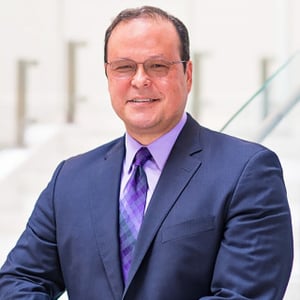
Senior Project Director and In Residence Adjunct, American University Washington College of Law
Alex Joel is a Scholar-in-Residence and Adjunct Professor at the Washington College of Law. He is conducting research, developing programming, and teaching courses focused on the intersections between the law, national security, technology, and privacy. Previously, he was a senior officer with the Office of the Director of National Intelligence (ODNI), where until June 2019 he served as the Chief of the Office of Civil Liberties, Privacy and Transparency (CLPT). CLPT works to ensure that the Intelligence Community carries out its national security mission in a manner that protects privacy and civil liberties, and provides appropriate public transparency. As Chief of CLPT, Mr. Joel was the ODNI’s Civil Liberties Protection Officer, a position established by the Intelligence Reform and Terrorism Protection Act of 2004. Mr. Joel served in that position since the ODNI stood up in 2005.
Since 2015, he also served as the ODNI’s Chief Transparency Officer, appointed to the position by Director of National Intelligence James Clapper. Mr. Joel formerly served on the Board of Directors of the International Association of Privacy Professionals, the world’s largest association of privacy professionals. Previously, Mr. Joel worked as an attorney at the Central Intelligence Agency's Office of General Counsel. Before that, he worked in private practice, as a technology attorney at the law firm of Shaw, Pittman, Potts & Trowbridge in Washington, D.C. (now Pillsbury Winthrop), and as the privacy, technology, and e-commerce attorney for Marriott International, Inc. Mr. Joel began his legal career as an officer in the U.S. Army Judge Advocate General’s Corps.
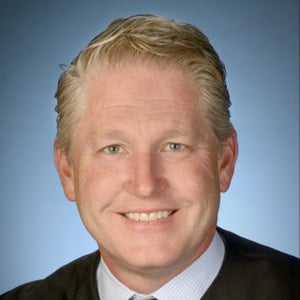
Judge, United States District Court, District of Columbia
Judge Carl J. Nichols was appointed to the District Court in June 2019. He received a B.A., cum laude and with high honors in Philosophy, from Dartmouth College in 1992, and a J.D., with high honors and Order of the Coif, from The University of Chicago Law School in 1996.
Immediately after law school, Judge Nichols served as a law clerk to Judge Laurence H. Silberman of the U.S. Court of Appeals for the District of Columbia and to Justice Clarence Thomas of the Supreme Court of the United States. Following his clerkships, Judge Nichols was an associate and then partner at Boies, Schiller & Flexner LLP. From 2005-2009, he served in the U.S. Department of Justice, first as a Deputy Assistant Attorney General in the Civil Division, and then as Principal Deputy Associate Attorney General. Judge Nichols was a partner at Wilmer Cutler Pickering Hale & Dorr LLP from 2010 until his appointment to the bench in 2019.
Director, Washington Ofice, Levin Center for Oversight and Democracy
Elise Bean became counsel to U.S. Sen. Carl Levin, D-Mich., on the U.S. Senate Homeland Security and Governmental Affairs Committee in 1985. She worked for him on three subcommittees, under the leadership of Linda Gustitus. In 2003, Levin appointed Bean as staff director and chief counsel of the committee's Permanent Subcommittee on Investigations, which he chaired. Bean retired from the Senate with Levin at the end of 2014.
During her tenure, Bean handled a variety of investigations, hearings and legislation, including matters involving offshore tax abuses, money laundering, foreign corruption, unfair credit card practices, health care fraud, abuses involving derivatives and structured finance, and shell companies with hidden owners. Investigations headed by her included inquiries into the 2008 financial crisis, HSBC money laundering problems, London whale trades at JPMorgan Chase, collapse of Enron, and offshore tax avoidance by Apple, Microsoft and Caterpillar.
In 2016 and 2015, she was included in the Global Tax 50, a list compiled by International Tax Review of the year's top 50 individuals and organizations influencing tax policy and practice. In 2013 and 2011, the Washingtonian magazine named her one of Washington's 100 most powerful women. In 2010, she was selected by the National Law Journal as one of Washington's most influential women lawyers.
Bean graduated Phi Beta Kappa from Wesleyan University in 1978 and earned her law degree, cum laude, from the University of Michigan Law School in 1982. She served as a law clerk to former Chief Judge of the U.S. Claims Court Alex Kozinski, who later served as the chief judge of the Ninth Circuit Court of Appeals. She worked for two years as a trial attorney with the U.S. Department of Justice Civil Frauds Section. Earlier in her career, she worked for U.S. Rep. John Joseph Moakley, D-Mass.
Deputy Secretary of Transportation, US Department of Transportation
Steven G. Bradbury was sworn in as the Deputy Secretary of Transportation on March 13, 2025, following his confirmation by the U.S. Senate on March 11, 2025. In this role, he oversees the Department’s operating administrations and spearheads initiatives to ensure a safe, efficient, and modern transportation system that strengthens economic productivity and global competitiveness. Deputy Secretary Bradbury also assists Secretary Duffy in managing the Department’s activities, including its workforce of over 58,000 employees and an annual budget exceeding $109 billion.
Bradbury previously served as the 23rd General Counsel of the Department of Transportation from 2017 to 2021, as the Acting Deputy Secretary from 2019, and as Acting Secretary of Transportation in 2021. As General Counsel, he was the chief legal officer, advising on all legal matters and ensuring the integrity and compliance of the Department’s policies and programs.
Before rejoining DOT, Bradbury was a Distinguished Fellow at The Heritage Foundation from December 2022 to March 2025. He has extensive experience in the public and private sector, having served as Principal Deputy and Acting Assistant Attorney General at the U.S. Department of Justice and as a partner at Kirkland & Ellis LLP and Dechert LLP. Earlier in his career, he clerked for Justice Clarence Thomas and Judge James L. Buckley.
Bradbury holds a J.D., magna cum laude, from the University of Michigan Law School and a B.A. in English from Stanford University.
Senior Project Director and In Residence Adjunct, American University Washington College of Law
Alex Joel is a Scholar-in-Residence and Adjunct Professor at the Washington College of Law. He is conducting research, developing programming, and teaching courses focused on the intersections between the law, national security, technology, and privacy. Previously, he was a senior officer with the Office of the Director of National Intelligence (ODNI), where until June 2019 he served as the Chief of the Office of Civil Liberties, Privacy and Transparency (CLPT). CLPT works to ensure that the Intelligence Community carries out its national security mission in a manner that protects privacy and civil liberties, and provides appropriate public transparency. As Chief of CLPT, Mr. Joel was the ODNI’s Civil Liberties Protection Officer, a position established by the Intelligence Reform and Terrorism Protection Act of 2004. Mr. Joel served in that position since the ODNI stood up in 2005.
Since 2015, he also served as the ODNI’s Chief Transparency Officer, appointed to the position by Director of National Intelligence James Clapper. Mr. Joel formerly served on the Board of Directors of the International Association of Privacy Professionals, the world’s largest association of privacy professionals. Previously, Mr. Joel worked as an attorney at the Central Intelligence Agency's Office of General Counsel. Before that, he worked in private practice, as a technology attorney at the law firm of Shaw, Pittman, Potts & Trowbridge in Washington, D.C. (now Pillsbury Winthrop), and as the privacy, technology, and e-commerce attorney for Marriott International, Inc. Mr. Joel began his legal career as an officer in the U.S. Army Judge Advocate General’s Corps.
Judge, United States District Court, District of Columbia
Judge Carl J. Nichols was appointed to the District Court in June 2019. He received a B.A., cum laude and with high honors in Philosophy, from Dartmouth College in 1992, and a J.D., with high honors and Order of the Coif, from The University of Chicago Law School in 1996.
Immediately after law school, Judge Nichols served as a law clerk to Judge Laurence H. Silberman of the U.S. Court of Appeals for the District of Columbia and to Justice Clarence Thomas of the Supreme Court of the United States. Following his clerkships, Judge Nichols was an associate and then partner at Boies, Schiller & Flexner LLP. From 2005-2009, he served in the U.S. Department of Justice, first as a Deputy Assistant Attorney General in the Civil Division, and then as Principal Deputy Associate Attorney General. Judge Nichols was a partner at Wilmer Cutler Pickering Hale & Dorr LLP from 2010 until his appointment to the bench in 2019.
Senior Fellow, Center for Energy and Environment, Competitive Enterprise Institute
Marlo Lewis, Jr. is a Senior Fellow at the Competitive Enterprise Institute, where he writes on global warming, energy policy, and other public policy issues. Prior to joining CEI in April 2002, he served as Director of External Relations at the Reason Foundation in Los Angeles, California. During the 106th Congress, Marlo served as Staff Director of the House Government Reform Subcommittee on National Economic Growth, Natural Resources, and Regulatory Affairs.
His interests include the science, economics, and politics of global warming policy; the precautionary principle; environmentalism and religion; and the moral basis of free enterprise. Marlo has been published in The Washington Times, Investors Business Daily, TechCentralStation, National Review, and Interpretation: A Journal of Political Philosophy. He has appeared on various television and radio programs, and his ideas have been featured in radio commentary by Rush Limbaugh and G. Gordon Liddy.
Before joining CEI for his first tenure with the organization in 1993, Marlo served as Research Director for the grassroots organization, Citizens Against Government Waste. Earlier, he was a Staff Consultant to the House Foreign Affairs Subcommittee on International Economic Policy and Trade, a Special Assistant at the State Department Bureau of Inter-American Affairs and Bureau of International Organization Affairs, and a Visiting Assistant Professor of Political Science at Claremont McKenna College. He holds a Ph.D. in Government from Harvard University and a B.A. in Political Science from Claremont McKenna College.
Partner, Morgan, Lewis & Bockius LLP
Michael Edney defends executives and corporations in criminal prosecutions and agency enforcement actions, successfully challenging numerous regulatory agencies—from the Justice Department to the US Securities and Exchange Commission and the US Commodity Futures Trading Commission, among others—against federal government overreach. Many of the regulations Mike has convinced the courts to reverse would have arbitrarily ended hundreds of businesses absent the courts’ intervention. He has also successfully challenged government decisions to break contracts and end projects in cooperation with private industry.
In addition to his criminal defense practice, Mike regularly brings actions challenging government agency regulations as illegal and unconstitutional before they are enforced. He has sued government agencies and reversed their attempted regulations seeking to upend the energy, financial, and tobacco industries.
His civil litigation practice spans beyond anti-regulatory suits. He has brought some of the leading First Amendment cases in the country. On behalf of The Washington Free Beacon, he vindicated the publication’s First Amendment right to access sealed court records before the Arizona Supreme Court. He has defended corporations in bet-the-company litigation concerning securities, environmental, employment, and fair housing. He has represented states at the request of their governors. He has repeatedly served as counsel for former Attorneys General of the United States when they appear as amici curiae before the Supreme Court.
Mike also represents clients on numerous national security matters, including the Classified Information Procedures Act, the Foreign Agent Registration Act, matters before the Committee on Foreign Investment in the United States, government cybersecurity investigations into companies regarded as critical national infrastructure, the handling of classified information by government contractors, and prepublication review of books authored by former government officials for sensitive and classified information.
His private practice draws from a half decade of prior government service. During the administration of former President George W. Bush, he served as deputy legal advisor to the National Security Council at the White House and in the Office of Legal Counsel at the United States Department of Justice, where he helped the administration address many legal issues pertaining to the United States' post-9/11 campaign against terrorism.
Before joining Morgan Lewis, Mike was a litigation partner at another global law firm.
Non-Resident Senior Fellow, Reiss Center on Law and Security at NYU School of Law
Christopher Fonzone is a Non-Resident Senior Fellow at the Reiss Center on Law and Security at NYU School of Law. Fonzone served as the Assistant Attorney General for the Office of Legal Counsel (OLC) at the Department of Justice from 2023 to 2025. OLC, by delegation from the Attorney General, provides written opinions and other legal advice to the President and all executive branch agencies on a wide range of issues, with a focus on matters of particular complexity or importance, including sensitive national security matters.
Fonzone previously held a number of other government roles. From 2021 to 2023, he was the General Counsel of the Office of the Director of National Intelligence. During the Obama Administration, Fonzone was Deputy Assistant and Deputy Counsel to President Obama and the Legal Adviser to the National Security Council (NSC). And earlier in his career, Fonzone was Special Counsel to General Counsel of the Department of Defense and served in career roles at the Department of Justice, both at OLC and on the Civil Division’s Appellate Staff. Fonzone also served as a Member on the J. William Fulbright Foreign Scholarship Board from 2017 to 2019.
Outside of government, Fonzone is currently a Member of Anthropic’s National Security and Public Sector Advisory Council, where he supports the identification and development of AI applications that strengthen U.S. capabilities in key areas and assists in the development of industry-leading standards to promote a “race to the top” for responsible national security AI solutions. He was also the lead national security counsel to the Biden-Harris Transition, and a partner in Sidley Austin’s Privacy and Cybersecurity group, with a practice that focused on a wide range of issues related to information technology and cybersecurity.
Fonzone has lectured and taught classes on national security law at a variety of law schools, and his writing on national security and other legal topics has been published in a variety of forums, including the Washington Post, Newsweek, Lawfare, and Just Security.
Senior Legal Fellow, Courts and the Constitution, Legal Policy Center, The Heritage Foundation
Zack is a Senior Legal Fellow of Courts and the Constitution at The Heritage Foundation.
He previously served for several years as an Assistant United States Attorney in the Northern District of Florida. Prior to that, he spent two years as an associate in the Washington, D.C. office of Cleary Gottlieb Steen & Hamilton, which he joined after clerking for the Hon. Emmett R. Cox on the United States Court of Appeals for the Eleventh Circuit.
Smith received his undergraduate, master’s, and law degrees from the University of Florida. During law school, Smith served as the Editor in Chief of the Florida Law Review and served on the executive boards of several student organizations, including the UF Chapter of the Federalist Society.
Director, Washington Ofice, Levin Center for Oversight and Democracy
Elise Bean became counsel to U.S. Sen. Carl Levin, D-Mich., on the U.S. Senate Homeland Security and Governmental Affairs Committee in 1985. She worked for him on three subcommittees, under the leadership of Linda Gustitus. In 2003, Levin appointed Bean as staff director and chief counsel of the committee's Permanent Subcommittee on Investigations, which he chaired. Bean retired from the Senate with Levin at the end of 2014.
During her tenure, Bean handled a variety of investigations, hearings and legislation, including matters involving offshore tax abuses, money laundering, foreign corruption, unfair credit card practices, health care fraud, abuses involving derivatives and structured finance, and shell companies with hidden owners. Investigations headed by her included inquiries into the 2008 financial crisis, HSBC money laundering problems, London whale trades at JPMorgan Chase, collapse of Enron, and offshore tax avoidance by Apple, Microsoft and Caterpillar.
In 2016 and 2015, she was included in the Global Tax 50, a list compiled by International Tax Review of the year's top 50 individuals and organizations influencing tax policy and practice. In 2013 and 2011, the Washingtonian magazine named her one of Washington's 100 most powerful women. In 2010, she was selected by the National Law Journal as one of Washington's most influential women lawyers.
Bean graduated Phi Beta Kappa from Wesleyan University in 1978 and earned her law degree, cum laude, from the University of Michigan Law School in 1982. She served as a law clerk to former Chief Judge of the U.S. Claims Court Alex Kozinski, who later served as the chief judge of the Ninth Circuit Court of Appeals. She worked for two years as a trial attorney with the U.S. Department of Justice Civil Frauds Section. Earlier in her career, she worked for U.S. Rep. John Joseph Moakley, D-Mass.
Deputy Secretary of Transportation, US Department of Transportation
Steven G. Bradbury was sworn in as the Deputy Secretary of Transportation on March 13, 2025, following his confirmation by the U.S. Senate on March 11, 2025. In this role, he oversees the Department’s operating administrations and spearheads initiatives to ensure a safe, efficient, and modern transportation system that strengthens economic productivity and global competitiveness. Deputy Secretary Bradbury also assists Secretary Duffy in managing the Department’s activities, including its workforce of over 58,000 employees and an annual budget exceeding $109 billion.
Bradbury previously served as the 23rd General Counsel of the Department of Transportation from 2017 to 2021, as the Acting Deputy Secretary from 2019, and as Acting Secretary of Transportation in 2021. As General Counsel, he was the chief legal officer, advising on all legal matters and ensuring the integrity and compliance of the Department’s policies and programs.
Before rejoining DOT, Bradbury was a Distinguished Fellow at The Heritage Foundation from December 2022 to March 2025. He has extensive experience in the public and private sector, having served as Principal Deputy and Acting Assistant Attorney General at the U.S. Department of Justice and as a partner at Kirkland & Ellis LLP and Dechert LLP. Earlier in his career, he clerked for Justice Clarence Thomas and Judge James L. Buckley.
Bradbury holds a J.D., magna cum laude, from the University of Michigan Law School and a B.A. in English from Stanford University.
Senior Project Director and In Residence Adjunct, American University Washington College of Law
Alex Joel is a Scholar-in-Residence and Adjunct Professor at the Washington College of Law. He is conducting research, developing programming, and teaching courses focused on the intersections between the law, national security, technology, and privacy. Previously, he was a senior officer with the Office of the Director of National Intelligence (ODNI), where until June 2019 he served as the Chief of the Office of Civil Liberties, Privacy and Transparency (CLPT). CLPT works to ensure that the Intelligence Community carries out its national security mission in a manner that protects privacy and civil liberties, and provides appropriate public transparency. As Chief of CLPT, Mr. Joel was the ODNI’s Civil Liberties Protection Officer, a position established by the Intelligence Reform and Terrorism Protection Act of 2004. Mr. Joel served in that position since the ODNI stood up in 2005.
Since 2015, he also served as the ODNI’s Chief Transparency Officer, appointed to the position by Director of National Intelligence James Clapper. Mr. Joel formerly served on the Board of Directors of the International Association of Privacy Professionals, the world’s largest association of privacy professionals. Previously, Mr. Joel worked as an attorney at the Central Intelligence Agency's Office of General Counsel. Before that, he worked in private practice, as a technology attorney at the law firm of Shaw, Pittman, Potts & Trowbridge in Washington, D.C. (now Pillsbury Winthrop), and as the privacy, technology, and e-commerce attorney for Marriott International, Inc. Mr. Joel began his legal career as an officer in the U.S. Army Judge Advocate General’s Corps.
Judge, United States District Court, District of Columbia
Judge Carl J. Nichols was appointed to the District Court in June 2019. He received a B.A., cum laude and with high honors in Philosophy, from Dartmouth College in 1992, and a J.D., with high honors and Order of the Coif, from The University of Chicago Law School in 1996.
Immediately after law school, Judge Nichols served as a law clerk to Judge Laurence H. Silberman of the U.S. Court of Appeals for the District of Columbia and to Justice Clarence Thomas of the Supreme Court of the United States. Following his clerkships, Judge Nichols was an associate and then partner at Boies, Schiller & Flexner LLP. From 2005-2009, he served in the U.S. Department of Justice, first as a Deputy Assistant Attorney General in the Civil Division, and then as Principal Deputy Associate Attorney General. Judge Nichols was a partner at Wilmer Cutler Pickering Hale & Dorr LLP from 2010 until his appointment to the bench in 2019.

Off the Record? The Constitutionality of the Presidential Records Act
Michael J. Edney, Christopher Fonzone, Zack Smith
For nearly fifty years, the Presidential Records Act has governed the preservation, ownership, and eventual...
Off the Record? The Constitutionality of the Presidential Records Act
Michael J. Edney, Christopher Fonzone, Zack Smith
For nearly fifty years, the Presidential Records Act has governed the preservation, ownership, and eventual...
Off the Record? The Constitutionality of the Presidential Records Act
The Presidential Toolbox: Instruments of Executive Power
Josh Blackman, Sally Katzen, Paul R. Noe, Paul J. Ray
What are the legal tools available to a President to shape policy and execute the...
Panel 4: Modern Lawfare and the American Democracy
Michael D. Berry, Anna Bower, Mike Davis, Jason A. Reding Quiñones, Jesus Manuel Suarez
The courtroom has emerged as the new battleground for political wars. Increasingly, political candidates are...
A Conversation on the Right: The Current State of Presidential Power
John G. Malcolm, John C. Yoo
John Malcolm and John Yoo revive their discussion of presidential power, prosecution, impeachment, and separation...
The Role of Executive Branch Lawyers and The Presidential Records Act Compliance
Elise Bean, Steven Gill Bradbury, Alex Joel, Carl J. Nichols
At the end of an administration, the President and Vice President are required to relinquish...
The Role of Executive Branch Lawyers and The Presidential Records Act Compliance
Elise Bean, Steven Gill Bradbury, Alex Joel, Carl J. Nichols
At the end of an administration, the President and Vice President are required to relinquish...
The Role of Executive Branch Lawyers and The Presidential Records Act Compliance
EBRXI
Washington, DCEPA Regulation of Fuel Economy: Congressional Intent or Climate Coup?
Marlo Lewis
Note from the Editor:1 This paper assesses EPA’s rule setting standards for motor vehicle greenhouse...