
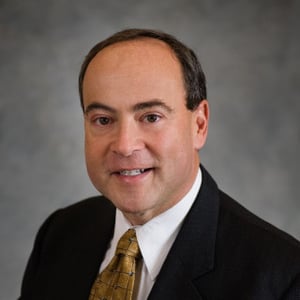
Justice, Supreme Court of Arizona
Clint Bolick was appointed by Governor Doug Ducey in January 2016 to serve on the Arizona Supreme Court and was retained by the voters in 2018 and 2024.
Prior to joining the Court, Justice Bolick litigated constitutional cases in state and federal courts from coast to coast, including the U.S. Supreme Court. Among other positions, he served as Vice President for Litigation at the Goldwater Institute and as Co-founder and Vice President for Litigation at the Institute for Justice. He has litigated in support of school choice, freedom of enterprise, private property rights, freedom of speech, and federalism, and against racial classifications and government subsidies.
Justice Bolick received his Juris Doctor degree from the University of California at Davis, where he has been recognized as a distinguished alumnus, and his Bachelor of Arts degree magna cum laude from Drew University. He serves as a research fellow with the Hoover Institution. Among other honors, he was named one of the 90 Greatest DC Lawyers in the Last 30 Years by Legal Times in 2008, received a Bradley Prize in 2006, and was recognized as one of the nation’s three lawyers of the year by American Lawyer in 2002 for his successful defense of school vouchers in Zelman v. Simmons-Harris.
Justice Bolick is a prolific author of a dozen books and hundreds of articles. Among his most recent books are Unshackled: Freeing America’s K-12 Education System: Immigration Wars: Forging an American Solution, co-authored with former Florida Governor Jeb Bush; and David’s Hammer: The Case for an Activist Judiciary. Bolick serves as an adjunct professor of constitutional law at Arizona State University’s Sandra Day O’Connor School of Law and has served as a lecturer at Harvard University’s John F. Kennedy School of Government.
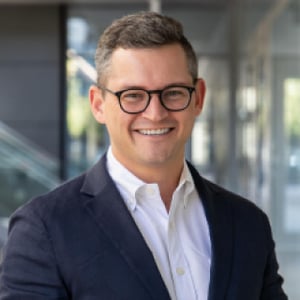
Associate Professor of Law, Sandra Day O'Connor College of Law, Arizona State University
Jonathan Green is an Associate Professor of Law at Arizona State University teaching Civil Procedure and Statutory Interpretation. His scholarship focuses on the history of political and legal thought. He is especially interested in the history of constitutionalism, theories of interpretation, and the concept of judicial power. His research has been published in the Arizona State Law Journal, the Journal of the History of Ideas, Modern Intellectual History, and the Historical Journal.
Prior to joining the ASU faculty in 2024, Professor Green was a Harry A. Bigelow Fellow at the University of Chicago. He previously clerked for Judge Neomi Rao of the U.S. Court of Appeals for the District of Columbia Circuit, and worked as a litigation associate at DLA Piper in Philadelphia.
Professor Green holds a J.D. from Yale Law School, where he was an editor of the Yale Law Journal. He received his PhD from the University of Cambridge, where he was a joint recipient of Prince Consort & Thirwall Prize, awarded annually for the best dissertation in the Cambridge History Faculty. He also received his MPhil from Cambridge, and earned his B.A., summa cum laude, from Northwestern University.
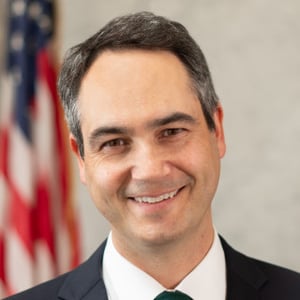
Judge, United States Court of Appeals for the Ninth Circuit
Anthony Johnstone serves as a judge on the United States Court of Appeals for the Ninth Circuit. Judge Johnstone previously served as the Helen and David Mason Professor of Law and an affiliated Professor of Public Administration at the University of Montana, Alexander Blewett III School of Law in Missoula since 2011. As a professor he taught federal and state constitutional law and legislation, as well as a federal judicial clinic. Johnstone also has served as trial and appellate counsel in federal and state courts, including the Ninth Circuit and the Supreme Court of the United States, most recently with Johnstone PLLC. He served the Montana Department of Justice as state solicitor from 2008 to 2011 and assistant attorney general from 2004 to 2008. Johnstone entered practice as an associate at Cravath, Swaine & Moore in New York from 2000 to 2003. Born to Montanans in Minneapolis, Minnesota, Johnstone received his Bachelor of Arts from Yale University in 1995 and his Juris Doctor, with honors, from the University of Chicago Law School in 1999. Following law school, he clerked for Ninth Circuit Judge Sidney R. Thomas in Billings, Montana from 1999 to 2000.
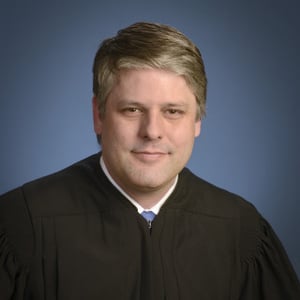
Judge, U.S. Court of Appeals, District of Columbia Circuit
Judge Walker was appointed to the United States Court of Appeals in September 2020. A graduate of Duke University and Harvard Law School, he clerked for then-Judge Brett Kavanaugh and Justice Anthony Kennedy. In 2019, he was appointed to the U.S. District Court for the Western District of Kentucky. Prior to that, he practiced at Gibson Dunn & Crutcher (D.C.) and Dinsmore & Shohl (Louisville). He has taught law in several states and foreign countries.
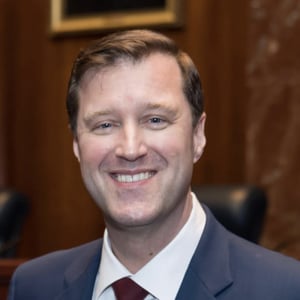
Justice, Texas Supreme Court
Evan Young is a Justice of the Supreme Court of Texas. Governor Greg Abbott, who appointed Young to fill an unexpired term, swore him into office on November 10, 2021. Justice Young was elected to a full term in November 2022.
Young graduated summa cum laude from Duke University in 1999, where he was inducted into Phi Beta Kappa. He was a British Marshall Scholar at Oxford University, where he completed his studies in 2001 and earned a First Class Honours degree in Modern History, focusing on British constitutional history. He earned his law degree from Yale Law School in 2004.
Young then worked as a lawyer in the judicial and executive branches of the federal government. He first served as a law clerk to Judge J. Harvie Wilkinson III of the U.S. Court of Appeals for the Fourth Circuit, and then to Justice Antonin Scalia at the U.S. Supreme Court. In 2006, after his clerkship with Justice Scalia ended, Justice Young became Counsel to the Attorney General at the U.S. Department of Justice, serving in the Office of the Attorney General under Attorneys General Alberto R. Gonzales and Michael B. Mukasey. While on the Attorney General’s staff, he accepted a detail to the U.S. Embassy in Baghdad, Iraq, where he was the Deputy Rule of Law Coordinator. In that position he worked to assist the Iraqi government in its efforts to strengthen its legal regime, including, for example, its courts and prison system.
Young returned to Texas and joined the Austin office of Baker Botts L.L.P. in 2009. His practice focused on trial and appellate litigation. He argued cases before both the Supreme Court of the United States and the Supreme Court of Texas, as well as many federal and state appellate courts. He represented clients across the country before every level of the state and federal judiciary.
Before joining the Texas Supreme Court, Young was appointed in 2017 by Governor Abbott and confirmed by the Texas Senate to serve as a member of the Texas Judicial Council, which is the policy-making body for the Texas Judiciary. In 2015, the Texas Supreme Court appointed him to the Supreme Court Advisory Committee, which assists the Court in drafting the rules that govern litigation in Texas courts. He served on both until his elevation to the bench.
Justice Young is an elected member of the American Law Institute and a member of the Texas Philosophical Society. He has been an adjunct law professor for many years at the University of Texas School of Law, where he has frequently taught the Federal Courts and Religious Liberty courses. He also has been an adjunct professor at the University of Mississippi School of Law, where he has taught multiple courses involving U.S. Supreme Court history. He served as Chair of the State Bar of Texas Business Law Section, Chair of the National Center for Missing and Exploited Children's Texas Regional Office, and Trustee of the Texas Supreme Court Historical Society.
Justice Young and his wife, Tobi, live in Austin with their daughter.
Judge, United States Court of Appeals for the Ninth Circuit
Anthony Johnstone serves as a judge on the United States Court of Appeals for the Ninth Circuit. Judge Johnstone previously served as the Helen and David Mason Professor of Law and an affiliated Professor of Public Administration at the University of Montana, Alexander Blewett III School of Law in Missoula since 2011. As a professor he taught federal and state constitutional law and legislation, as well as a federal judicial clinic. Johnstone also has served as trial and appellate counsel in federal and state courts, including the Ninth Circuit and the Supreme Court of the United States, most recently with Johnstone PLLC. He served the Montana Department of Justice as state solicitor from 2008 to 2011 and assistant attorney general from 2004 to 2008. Johnstone entered practice as an associate at Cravath, Swaine & Moore in New York from 2000 to 2003. Born to Montanans in Minneapolis, Minnesota, Johnstone received his Bachelor of Arts from Yale University in 1995 and his Juris Doctor, with honors, from the University of Chicago Law School in 1999. Following law school, he clerked for Ninth Circuit Judge Sidney R. Thomas in Billings, Montana from 1999 to 2000.
Judge, United States Court of Appeals for the Ninth Circuit
Anthony Johnstone serves as a judge on the United States Court of Appeals for the Ninth Circuit. Judge Johnstone previously served as the Helen and David Mason Professor of Law and an affiliated Professor of Public Administration at the University of Montana, Alexander Blewett III School of Law in Missoula since 2011. As a professor he taught federal and state constitutional law and legislation, as well as a federal judicial clinic. Johnstone also has served as trial and appellate counsel in federal and state courts, including the Ninth Circuit and the Supreme Court of the United States, most recently with Johnstone PLLC. He served the Montana Department of Justice as state solicitor from 2008 to 2011 and assistant attorney general from 2004 to 2008. Johnstone entered practice as an associate at Cravath, Swaine & Moore in New York from 2000 to 2003. Born to Montanans in Minneapolis, Minnesota, Johnstone received his Bachelor of Arts from Yale University in 1995 and his Juris Doctor, with honors, from the University of Chicago Law School in 1999. Following law school, he clerked for Ninth Circuit Judge Sidney R. Thomas in Billings, Montana from 1999 to 2000.

George C. Dix Professor in Constitutional Law, Northwestern University Pritzker School of Law
John O. McGinnis is a graduate of Harvard College and Harvard Law School where he was an editor of the Harvard Law Review. He also has an MA degree from Balliol College, Oxford, in philosophy and theology. Professor McGinnis clerked on the U.S. Court of Appeals for the District of Columbia. From 1987 to 1991, he was deputy assistant attorney general in the Office of Legal Counsel at the Department of Justice. He is the author of Accelerating Democracy: Transforming Government Through Technology (Princeton 2013) and Originalism and the Good Constitution (Harvard 2013) (with M. Rappaport). He is a past winner of the Paul Bator award given by the Federalist Society to an outstanding academic under 40. He has been listed by the United States on the roster of panelists who may be called upon to decide World Trade Organization Disputes.

Professor of Law, South Texas College of Law Houston
Josh Blackman is a national thought leader on constitutional law and the United States Supreme Court. Josh’s work was quoted during two presidential impeachment trials. He has testified before Congress and advises federal and state lawmakers. Josh regularly appears on TV, including NBC, CBS, ABC, Fox, and the BBC. Josh is also a frequent guest on NPR and other syndicated radio programs. He has published commentaries in the New York Times, Wall Street Journal, Washington Post, and leading national publications.
Since 2012, Josh has served as a professor at the South Texas College of Law Houston. He holds the Centennial Chair of Constitutional Law. Josh is an Adjunct Fellow at the Manhattan Institute. Josh has written more than seven dozen law review articles that have been cited more than a thousand times. Josh was selected as the Jurist of the Year by the Texas Journal of Law & Public Policy, received the inaugural Meese III Originalism Award, and was awarded the Inaugural Joseph Story Award. Josh was selected by Forbes Magazine for the “30 Under 30” in Law and Policy. Josh is the President of the Harlan Institute, and founded FantasySCOTUS, the Internet’s Premier Supreme Court Fantasy League. He blogs at the Volokh Conspiracyand posts@JoshMBlackman.
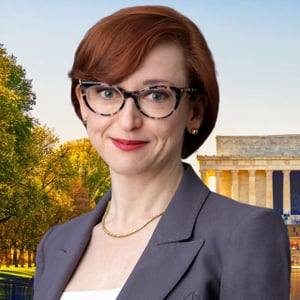
Partner, Torridon Law PLLC
Tara Helfman is a Partner at Torridon Law PLLC. Her practice includes internal investigations, general advising, litigation, and crisis management. She has represented clients in matters involving constitutional law, public and private international law, employment discrimination, commercial litigation, and federal agency litigation.
Helfman served as Associate Counsel and Special Assistant to the President during the administration of President Donald J. Trump. In that capacity, she managed the background investigation process for all nominees to Senate-confirmed positions, advised on judicial selection, and liaised with the USDA on policy initiatives, rulemaking, and litigation. She has also held leadership positions in the Department of Justice Civil Rights Division and at the Equal Employment Opportunity Commission.
A British Marshall Scholar, Helfman was a tenured Associate Professor at Syracuse University College of Law and a Visiting Scholar at the Georgetown University Law Center. She has published a two-volume constitutional history of the United States and numerous scholarly articles.
Clerkship
Education
Bar Admissions
Judge, United States Court of Appeals for the Ninth Circuit
Anthony Johnstone serves as a judge on the United States Court of Appeals for the Ninth Circuit. Judge Johnstone previously served as the Helen and David Mason Professor of Law and an affiliated Professor of Public Administration at the University of Montana, Alexander Blewett III School of Law in Missoula since 2011. As a professor he taught federal and state constitutional law and legislation, as well as a federal judicial clinic. Johnstone also has served as trial and appellate counsel in federal and state courts, including the Ninth Circuit and the Supreme Court of the United States, most recently with Johnstone PLLC. He served the Montana Department of Justice as state solicitor from 2008 to 2011 and assistant attorney general from 2004 to 2008. Johnstone entered practice as an associate at Cravath, Swaine & Moore in New York from 2000 to 2003. Born to Montanans in Minneapolis, Minnesota, Johnstone received his Bachelor of Arts from Yale University in 1995 and his Juris Doctor, with honors, from the University of Chicago Law School in 1999. Following law school, he clerked for Ninth Circuit Judge Sidney R. Thomas in Billings, Montana from 1999 to 2000.
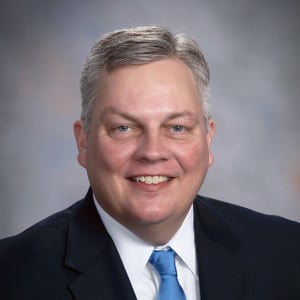
University Professor of Law and Religion and Director of the Eleanor H. McCullen Center for Law, Religion and Public Policy, Villanova University Charles Widger School of Law
Michael P. Moreland was appointed University Professor of Law and Religion and Director of the Eleanor H. McCullen Center for Law, Religion and Public Policy at Villanova University in 2017. Professor Moreland joined the Villanova faculty in 2006 and served as Vice Dean from 2012 to 2015. His research is primarily in the areas of torts, law and religion, constitutional law, and Catholic social thought, and he regularly teaches Torts, First Amendment, seminars in law and religion, and undergraduate courses in ethics.
Professor Moreland is the co-editor of Christianity and Private Law (Routledge, 2021), and his most recent publications include: “The Authority of Tradition: John Henry Newman and Legal Theory” in Christianity and the Making of Irish Law (Routledge, 2025); “Christianity and Torts” in The Oxford Handbook on Christianity and Law, (Oxford University Press, 2023); “Germaneness and Religious Liberty” in the Notre Dame Law Review (2023); “Contingency and Contestation in Christianity and Liberalism” in the Notre Dame Law Review (2023); “Friendship as the Primary Purpose of Law” in The American Journal of Jurisprudence 279 (2022); and “The Moral of Torts” (with Jeffrey Pojanowski) in Christianity and Private Law (Routledge, 2021).
Professor Moreland was a Visiting Professor of Law at the University of Notre Dame and the Mary Ann Remick Senior Visiting Fellow at the Notre Dame Center for Ethics and Culture from 2015 to 2017. He was the Forbes Visiting Fellow at Princeton University in the James Madison Program during academic year 2010-11. He has served as the project leader for grants from the John Templeton Foundation and the Charles Koch Foundation. He serves as the Chair of the Federalist Society’s Religious Liberties Practice Group Executive Committee and the Chair of the Board of Trustees of the Institute for Advanced Catholic Studies at the University of Southern California.
Professor Moreland received his BA in philosophy from the University of Notre Dame, his MA and PhD in theological ethics from Boston College, and his JD from the University of Michigan Law School. Following law school, Professor Moreland clerked for the Honorable Paul J. Kelly Jr., of the United States Court of Appeals for the Tenth Circuit and was an associate at Williams & Connolly LLP in Washington, DC, where he represented clients in First Amendment, professional liability, and products liability matters. Before coming to Villanova, he served as Associate Director for Domestic Policy at the White House under President George W. Bush, where he worked on a range of legal policy issues, including criminal justice, immigration, civil rights, and liability reform.
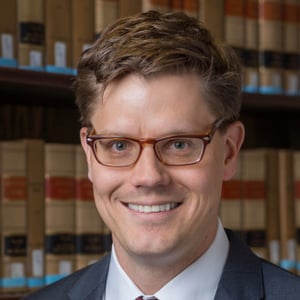
Associate Professor, University of Notre Dame Law School
Jeffrey Pojanowski joined the faculty and community of Notre Dame Law School in 2010. He teaches and writes in the areas of administrative law, jurisprudence, and torts. At present, his scholarship focuses on the legal theory of administrative action, as well as the philosophy and intellectual history of legal reasoning.
Prof. Pojanowski earned his A.B. in Public Policy with highest honors from Princeton University and graduated magna cum laude from Harvard Law School in 2004, where he was Articles Co-Chair for the Harvard Law Review. After law school, he served as a law clerk to then-Judge John Roberts on the United States Court of Appeals for the D.C. Circuit and then to Justice Anthony Kennedy on the Supreme Court of the United States. He then practiced law with Latham & Watkins in Washington, D.C., where he specialized in appellate litigation and administrative-law matters.
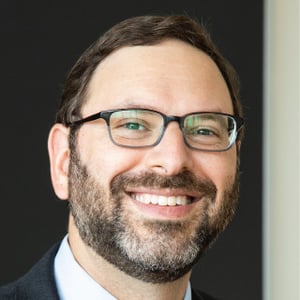
Antonin Scalia Professor of Law, Harvard Law School
Stephen E. Sachs is the Antonin Scalia Professor of Law at Harvard Law School, where he teaches civil procedure, conflict of laws, and seminars on constitutional law. His research focuses on the law and theory of constitutional interpretation, the jurisdiction of state and federal courts, the history of procedure and private law, and the role of the general common law in the U.S. legal system.
Sachs has authored numerous articles, essays, and book chapters. He is an elected member of the American Law Institute, an adviser to the ALI’s project on the Restatement of the Law (Third), Conflict of Laws, a former member of the Judicial Conference’s Advisory Committee on Appellate Rules, and a founding member of the Academic Freedom Alliance.
In 2020, Sachs received the Federalist Society’s Joseph Story Award, which recognizes a young academic who has demonstrated excellence in legal scholarship, a commitment to teaching, a concern for students, and who has made a significant public impact in a manner that advances the rule of law in a free society.
Sachs previously taught at Duke University School of Law and as a visiting professor at the University of Chicago Law School. Before entering academia, he practiced in the Washington, D.C., litigation group of Mayer Brown LLP, and he clerked for Chief Justice John G. Roberts Jr. as well as for Judge Stephen F. Williams of the U.S. Court of Appeals for the D.C. Circuit.
Sachs received his J.D. from Yale Law School, where he was executive editor of the Yale Law Journal and served both as executive editor and articles editor of the Yale Law & Policy Review. A Rhodes Scholar, he graduated from Oxford University with a first-class BA (Hons) degree in philosophy, politics, and economics. He received his A.B. degree summa cum laude in history from Harvard University, earning the Sophia Freund Prize.
Sachs is a licensed attorney in Massachusetts and the District of Columbia, and he is authorized to practice before the D.C. Circuit, the Second Circuit, the Seventh Circuit, and the Supreme Court of the United States.

Professor, University of Minnesota Law School
Ilan Wurman is the Julius E. Davis Professor of Law at the University of Minnesota, where he teaches administrative law and constitutional law. He previously taught at Arizona State University. He writes primarily on the Fourteenth Amendment, administrative law, separation of powers, and constitutionalism. His academic writing has appeared in the Yale Law Journal, the Stanford Law Review, the University of Chicago Law Review, the University of Pennsylvania Law Review, the Virginia Law Review, the Duke Law Journal, the Minnesota Law Review, the Notre Dame Law Review, and the Texas Law Review among other journals.
Professor Wurman is the author of a casebook, Administrative Law Theory and Fundamentals: An Integrated Approach (Foundation Press 2d ed. 2024). He is also the author of A Debt Against the Living: An Introduction to Originalism (Cambridge 2017), and The Second Founding: An Introduction to the Fourteenth Amendment (Cambridge 2020). His next book, The Constitution of 1789: A New Introduction, is also forthcoming with Cambridge University Press.
Professor Wurman practices law with the firm Tully Bailey. He has litigated a variety of administrative law and constitutional law cases, including cases involving COVID-19 restrictions, transmission lines, and Appointments Clause challenges. He also devised winning public nuisance theories to force city governments to address the increasingly challenging public camping crises throughout the country.
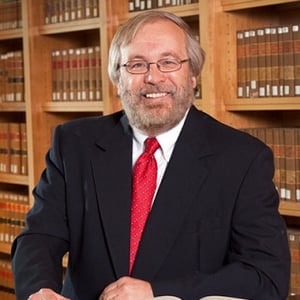
Welpton & Wise Professor of Law, University of Nebraska College of Law
Professor Rick Duncan is the Welpton & Wise Professor of Law at the University Of Nebraska College Of Law. He is a graduate of the Cornell Law School and served as an editor of the Cornell Law Review. He teaches Constitutional Law with a special emphasis on the law of religious freedom, free speech, and federalism. Duncan has written numerous books, articles, and commentaries on a wide variety of legal topics. His recent publications include an article on Justice Scalia’s legacy, another on Kermit Gosnell and Roe v. Wade, a piece on the Electoral College and Federalism, a 2019 piece on Masterpiece Cakeshop and the First Amendment, and three recent articles on the “no compelled speech” doctrine as a First Amendment defense against authoritarianism and tyranny. His most recent article, on School Choice and the First Amendment, will be published in 2023 in Case Western Law Review. He is also the co-author of a book on Secured Transactions under Article 9 of the UCC. He served as Chairman of the Nebraska Advisory Committee to the U.S. Commission on Civil Rights during the Reagan Administration. He also loves to speak at Federalist Society meetings around the country on life, liberty, and the pursuit of federalism.
Duncan has five children, five grandchildren, and a wonderful wife who help him pursue happiness. He loves lifting weights (particularly going heavy on the incline bench press), attending Broadway musicals and plays, including Hamilton: An American Musical which he has seen 12 times (possibly a Nebraska record). He regularly reads both the Bible and the New York Times because it is important to keep up with what both sides have to say. He loves following major league baseball, especially the San Diego Padres. And his favorite legal aphorism is “first come rights then comes government to secure those rights.”
Judge, United States Court of Appeals for the Ninth Circuit
Anthony Johnstone serves as a judge on the United States Court of Appeals for the Ninth Circuit. Judge Johnstone previously served as the Helen and David Mason Professor of Law and an affiliated Professor of Public Administration at the University of Montana, Alexander Blewett III School of Law in Missoula since 2011. As a professor he taught federal and state constitutional law and legislation, as well as a federal judicial clinic. Johnstone also has served as trial and appellate counsel in federal and state courts, including the Ninth Circuit and the Supreme Court of the United States, most recently with Johnstone PLLC. He served the Montana Department of Justice as state solicitor from 2008 to 2011 and assistant attorney general from 2004 to 2008. Johnstone entered practice as an associate at Cravath, Swaine & Moore in New York from 2000 to 2003. Born to Montanans in Minneapolis, Minnesota, Johnstone received his Bachelor of Arts from Yale University in 1995 and his Juris Doctor, with honors, from the University of Chicago Law School in 1999. Following law school, he clerked for Ninth Circuit Judge Sidney R. Thomas in Billings, Montana from 1999 to 2000.
Judge, United States Court of Appeals for the Ninth Circuit
Anthony Johnstone serves as a judge on the United States Court of Appeals for the Ninth Circuit. Judge Johnstone previously served as the Helen and David Mason Professor of Law and an affiliated Professor of Public Administration at the University of Montana, Alexander Blewett III School of Law in Missoula since 2011. As a professor he taught federal and state constitutional law and legislation, as well as a federal judicial clinic. Johnstone also has served as trial and appellate counsel in federal and state courts, including the Ninth Circuit and the Supreme Court of the United States, most recently with Johnstone PLLC. He served the Montana Department of Justice as state solicitor from 2008 to 2011 and assistant attorney general from 2004 to 2008. Johnstone entered practice as an associate at Cravath, Swaine & Moore in New York from 2000 to 2003. Born to Montanans in Minneapolis, Minnesota, Johnstone received his Bachelor of Arts from Yale University in 1995 and his Juris Doctor, with honors, from the University of Chicago Law School in 1999. Following law school, he clerked for Ninth Circuit Judge Sidney R. Thomas in Billings, Montana from 1999 to 2000.

Senior Fellow and Director of Constitutional Studies, Manhattan Institute
Ilya Shapiro is a senior fellow and director of constitutional studies at the Manhattan Institute and a contributing editor of City Journal. Previously he was executive director and senior lecturer at the Georgetown Center for the Constitution, and before that a vice president of the Cato Institute.
Shapiro is the author of Lawless: The Miseducation of America’s Elites (2025) and Supreme Disorder: Judicial Nominations and the Politics of America’s Highest Court (2020), coauthor of Religious Liberties for Corporations? (2014), and editor of 11 volumes of the Cato Supreme Court Review (2008-18). He has contributed to a variety of academic, popular, and professional publications, including the Wall Street Journal, Harvard Journal of Law & Public Policy, Washington Post, Los Angeles Times, USA Today, National Review, and Newsweek. He also regularly provides commentary for various media outlets, writes the Shapiro’s Gavel newsletter on Substack, and once appeared on the Colbert Report.
Shapiro has testified many times before Congress and state legislatures and has filed more than 500 amicus curiae “friend of the court” briefs in the Supreme Court. He lectures regularly on behalf of the Federalist Society, is a member of the board of fellows of the Jewish Policy Center, was an inaugural Washington Fellow at the National Review Institute, and has been an adjunct law professor at the George Washington University and University of Mississippi. He is also the chairman of the board of advisers of the Mississippi Justice Institute, a barrister in the Edward Coke Appellate Inn of Court, and a former member of the Virginia Advisory Committee to the U.S. Commission on Civil Rights.
Earlier in his career, Shapiro was a special assistant/adviser to the Multi-National Force in Iraq on rule-of-law issues and practiced at Patton Boggs and Cleary Gottlieb. Before entering private practice, he clerked for Judge E. Grady Jolly of the U.S. Court of Appeals for the Fifth Circuit. He holds an AB from Princeton University, an MSc from the London School of Economics, and a JD from the University of Chicago Law School.
Judge, United States Court of Appeals for the Ninth Circuit
Anthony Johnstone serves as a judge on the United States Court of Appeals for the Ninth Circuit. Judge Johnstone previously served as the Helen and David Mason Professor of Law and an affiliated Professor of Public Administration at the University of Montana, Alexander Blewett III School of Law in Missoula since 2011. As a professor he taught federal and state constitutional law and legislation, as well as a federal judicial clinic. Johnstone also has served as trial and appellate counsel in federal and state courts, including the Ninth Circuit and the Supreme Court of the United States, most recently with Johnstone PLLC. He served the Montana Department of Justice as state solicitor from 2008 to 2011 and assistant attorney general from 2004 to 2008. Johnstone entered practice as an associate at Cravath, Swaine & Moore in New York from 2000 to 2003. Born to Montanans in Minneapolis, Minnesota, Johnstone received his Bachelor of Arts from Yale University in 1995 and his Juris Doctor, with honors, from the University of Chicago Law School in 1999. Following law school, he clerked for Ninth Circuit Judge Sidney R. Thomas in Billings, Montana from 1999 to 2000.
Senior Fellow and Director of Constitutional Studies, Manhattan Institute
Ilya Shapiro is a senior fellow and director of constitutional studies at the Manhattan Institute and a contributing editor of City Journal. Previously he was executive director and senior lecturer at the Georgetown Center for the Constitution, and before that a vice president of the Cato Institute.
Shapiro is the author of Lawless: The Miseducation of America’s Elites (2025) and Supreme Disorder: Judicial Nominations and the Politics of America’s Highest Court (2020), coauthor of Religious Liberties for Corporations? (2014), and editor of 11 volumes of the Cato Supreme Court Review (2008-18). He has contributed to a variety of academic, popular, and professional publications, including the Wall Street Journal, Harvard Journal of Law & Public Policy, Washington Post, Los Angeles Times, USA Today, National Review, and Newsweek. He also regularly provides commentary for various media outlets, writes the Shapiro’s Gavel newsletter on Substack, and once appeared on the Colbert Report.
Shapiro has testified many times before Congress and state legislatures and has filed more than 500 amicus curiae “friend of the court” briefs in the Supreme Court. He lectures regularly on behalf of the Federalist Society, is a member of the board of fellows of the Jewish Policy Center, was an inaugural Washington Fellow at the National Review Institute, and has been an adjunct law professor at the George Washington University and University of Mississippi. He is also the chairman of the board of advisers of the Mississippi Justice Institute, a barrister in the Edward Coke Appellate Inn of Court, and a former member of the Virginia Advisory Committee to the U.S. Commission on Civil Rights.
Earlier in his career, Shapiro was a special assistant/adviser to the Multi-National Force in Iraq on rule-of-law issues and practiced at Patton Boggs and Cleary Gottlieb. Before entering private practice, he clerked for Judge E. Grady Jolly of the U.S. Court of Appeals for the Fifth Circuit. He holds an AB from Princeton University, an MSc from the London School of Economics, and a JD from the University of Chicago Law School.

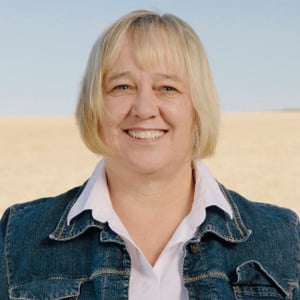
Panel II: Federalism and Subsidiarity: Decentralizing Decisions and Balancing Power from Nation to Neighborhood
Clint Bolick, Jonathan Green, Anthony Johnstone, Justin Reed Walker, Evan A. Young
Featuring: Hon. Clint Bolick, Justice, Arizona Supreme Court Hon. Anthony Johnstone, United States Court of Appeals...
Betterman v. Montana - Post-Argument SCOTUScast
Anthony Johnstone
On March 28, 2016, the Supreme Court heard oral argument in Betterman v. Montana. Brandon...
Debate: Was Citizens United Wrongly Decided?
Boston7 Minute Presentations of Works in Progress 2-A
17th Annual Faculty Conference
Washington, DCMontana Supreme Court Candidate Forum: A Discussion with the Candidates
Missoula, MontanaThe Tea Party Constitution: Proposed Federalism Amendments
PPL, Montana v. Montana
PPL, Montana v. Montana