

Executive Director, Justice and Society Program, The Aspen Institute
Meryl Justin Chertoff is Executive Director of The Aspen Institute’s Justice and Society Program. She directs its summer seminar in Aspen, its speaker series in New York, Washington and Aspen, and the Inclusive America Project, on religious pluralism in America. She is also an adjunct professor of law at Georgetown Law, where she teaches about state government. She is an opinion contributor for The Hill, and also writes for the Huffington Post and the Aspen Idea.
From 2006-2009, Ms. Chertoff was Director of the Sandra Day O’Connor Project on the State of the Judiciary at Georgetown Law, studying and educating the public about federal and state courts. At Georgetown Law, she developed educational programs for visiting judges and other government officials from overseas.
She served in the Office of Legislative Affairs at the Federal Emergency Management Agency (FEMA), participating in the agency’s transition into the Department of Homeland Security in 2003. Ms. Chertoff has been a legislative relations professional, Director of New Jersey’s Washington, D.C. Office under two governors, and legislative counsel to the Chair of the New Jersey State Assembly Appropriations Committee.
Her undergraduate and law degrees are from Harvard. She and her husband have two adult children.
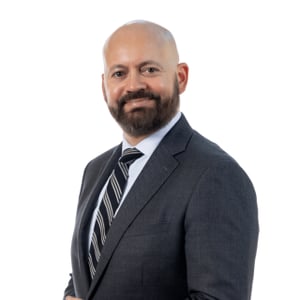
Milton R. Underwood Chair in Free Enterprise, Vanderbilt University Law School
Brian Fitzpatrick is the Milton R. Underwood Chair in Free Enterprise and Professor of Law at Vanderbilt Law School, where his research focuses on class action litigation, federal courts, judicial selection, and constitutional law. He is best known for his empirical studies of class action settlements as well as his book The Conservative Case for Class Actions (University of Chicago Press, 2019). Professor Fitzpatrick joined Vanderbilt's law faculty in 2007 after serving as the John M. Olin Fellow at New York University School of Law. He graduated first in his class from Harvard Law School and went on to clerk for Judge Diarmuid O'Scannlain on the U.S. Court of Appeals for the Ninth Circuit and Justice Antonin Scalia on the U.S. Supreme Court. After his clerkships, Professor Fitzpatrick practiced commercial and appellate litigation for several years at Sidley Austin in Washington, D.C., and served as Special Counsel for Supreme Court Nominations to U.S. Senator John Cornyn. Before earning his law degree, Fitzpatrick graduated summa cum laude with a bachelor's of science in chemical engineering from the University of Notre Dame. He has received the Hall-Hartman Outstanding Professor Award, which recognizes excellence in classroom teaching, for his Civil Procedure and Federal Courts courses.
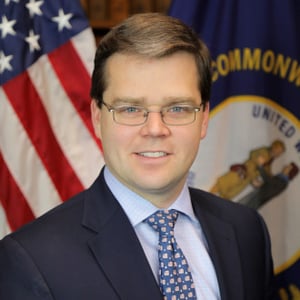
United States District Judge, Eastern District of Kentucky
Chad served as solicitor general from 2019 to 2021, overseeing all civil and criminal appellate litigation involving the commonwealth, and leading a team of nearly 30 appellate lawyers.
Chad has also served as the chief deputy general counsel (2015-2019) to the governor of Kentucky. In that role, he represented the governor in litigation and advised the governor and other executive branch officials on a wide variety of legal and policy issues.
After graduating law school, he clerked for Judge John M. Rogers on the US Court of Appeals for the Sixth Circuit, and also for Judge Amul R. Thapar on the US District Court for the Eastern District of Kentucky.
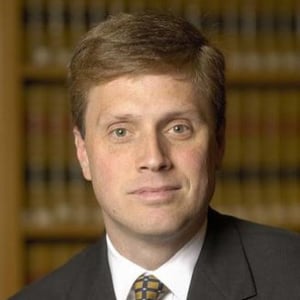
Partner, Ransdell Roach & Royse PLLC
John Roach is a former Kentucky Supreme Court Justice who also served as General Counsel to Governor Ernie Fletcher. Recently, John served as General Counsel in the Transition of Governor Matt Bevin. In addition to a vigorous trial practice, John has successfully argued cases before the Kentucky Court of Appeals, Kentucky Supreme Court and U.S. Court of Appeals for the Sixth Circuit. Since returning to private practice, John has represented a diverse group of individuals and businesses including Toyota Motor Manufacturing Kentucky, Harrison Memorial Hospital, Bayer Properties (developers of The Summit at Fritz Farm), Dominion Enterprises, and Greer Companies (major franchisee of Cheddar’s Casual Café). John is an avid horseracing fan with a genuine passion for the sport and the Commonwealth’s role as the epicenter of the thoroughbred world. He has represented a number of domestic and foreign clients in all aspects of thoroughbred breeding and racing. John is currently the Vice Chairman of the Kentucky Horse Racing Commission. Among the many equine transactions and litigation matters in which Mr. Roach has participated, he is proud to have served as lead counsel in the stallion syndication of PIONEEROF THE NILE, sire of Triple Crown Winner and Breeders’ Cup Champion AMERICAN PHAROAH. He has been included in The Best Lawyers in America® for numerous years and is AV Preeminent® Peer Review Rated by Martindale-Hubbell®. His practice primarily focuses on commercial litigation, appellate advocacy, labor and employment law and litigation, equine law, and corporate transactions for businesses and entrepreneurs.
Executive Director, Justice and Society Program, The Aspen Institute
Meryl Justin Chertoff is Executive Director of The Aspen Institute’s Justice and Society Program. She directs its summer seminar in Aspen, its speaker series in New York, Washington and Aspen, and the Inclusive America Project, on religious pluralism in America. She is also an adjunct professor of law at Georgetown Law, where she teaches about state government. She is an opinion contributor for The Hill, and also writes for the Huffington Post and the Aspen Idea.
From 2006-2009, Ms. Chertoff was Director of the Sandra Day O’Connor Project on the State of the Judiciary at Georgetown Law, studying and educating the public about federal and state courts. At Georgetown Law, she developed educational programs for visiting judges and other government officials from overseas.
She served in the Office of Legislative Affairs at the Federal Emergency Management Agency (FEMA), participating in the agency’s transition into the Department of Homeland Security in 2003. Ms. Chertoff has been a legislative relations professional, Director of New Jersey’s Washington, D.C. Office under two governors, and legislative counsel to the Chair of the New Jersey State Assembly Appropriations Committee.
Her undergraduate and law degrees are from Harvard. She and her husband have two adult children.
Milton R. Underwood Chair in Free Enterprise, Vanderbilt University Law School
Brian Fitzpatrick is the Milton R. Underwood Chair in Free Enterprise and Professor of Law at Vanderbilt Law School, where his research focuses on class action litigation, federal courts, judicial selection, and constitutional law. He is best known for his empirical studies of class action settlements as well as his book The Conservative Case for Class Actions (University of Chicago Press, 2019). Professor Fitzpatrick joined Vanderbilt's law faculty in 2007 after serving as the John M. Olin Fellow at New York University School of Law. He graduated first in his class from Harvard Law School and went on to clerk for Judge Diarmuid O'Scannlain on the U.S. Court of Appeals for the Ninth Circuit and Justice Antonin Scalia on the U.S. Supreme Court. After his clerkships, Professor Fitzpatrick practiced commercial and appellate litigation for several years at Sidley Austin in Washington, D.C., and served as Special Counsel for Supreme Court Nominations to U.S. Senator John Cornyn. Before earning his law degree, Fitzpatrick graduated summa cum laude with a bachelor's of science in chemical engineering from the University of Notre Dame. He has received the Hall-Hartman Outstanding Professor Award, which recognizes excellence in classroom teaching, for his Civil Procedure and Federal Courts courses.
United States District Judge, Eastern District of Kentucky
Chad served as solicitor general from 2019 to 2021, overseeing all civil and criminal appellate litigation involving the commonwealth, and leading a team of nearly 30 appellate lawyers.
Chad has also served as the chief deputy general counsel (2015-2019) to the governor of Kentucky. In that role, he represented the governor in litigation and advised the governor and other executive branch officials on a wide variety of legal and policy issues.
After graduating law school, he clerked for Judge John M. Rogers on the US Court of Appeals for the Sixth Circuit, and also for Judge Amul R. Thapar on the US District Court for the Eastern District of Kentucky.
Partner, Ransdell Roach & Royse PLLC
John Roach is a former Kentucky Supreme Court Justice who also served as General Counsel to Governor Ernie Fletcher. Recently, John served as General Counsel in the Transition of Governor Matt Bevin. In addition to a vigorous trial practice, John has successfully argued cases before the Kentucky Court of Appeals, Kentucky Supreme Court and U.S. Court of Appeals for the Sixth Circuit. Since returning to private practice, John has represented a diverse group of individuals and businesses including Toyota Motor Manufacturing Kentucky, Harrison Memorial Hospital, Bayer Properties (developers of The Summit at Fritz Farm), Dominion Enterprises, and Greer Companies (major franchisee of Cheddar’s Casual Café). John is an avid horseracing fan with a genuine passion for the sport and the Commonwealth’s role as the epicenter of the thoroughbred world. He has represented a number of domestic and foreign clients in all aspects of thoroughbred breeding and racing. John is currently the Vice Chairman of the Kentucky Horse Racing Commission. Among the many equine transactions and litigation matters in which Mr. Roach has participated, he is proud to have served as lead counsel in the stallion syndication of PIONEEROF THE NILE, sire of Triple Crown Winner and Breeders’ Cup Champion AMERICAN PHAROAH. He has been included in The Best Lawyers in America® for numerous years and is AV Preeminent® Peer Review Rated by Martindale-Hubbell®. His practice primarily focuses on commercial litigation, appellate advocacy, labor and employment law and litigation, equine law, and corporate transactions for businesses and entrepreneurs.
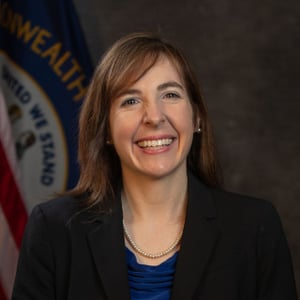
Auditor of Public Accounts, Commonwealth of Kentucky
Allison Ball is the 48th Auditor of Public Accounts for the Commonwealth of Kentucky. Prior to being elected Auditor, Ball served two terms as Kentucky State Treasurer. Before that, she spent four years as Assistant Floyd County Attorney, prosecuting child abuse and juvenile delinquency cases. When first appointed to office, Ball was the youngest statewide elected official in the country.
Ball has a rich Kentucky history; her family has been in Eastern Kentucky since the 1790s, and she holds a degree from the University of Kentucky College of Law.
She is a fierce watchdog for Kentucky taxpayer dollars. As Auditor, Ball protects against waste, fraud, and abuse.
As Treasurer, she returned more unclaimed property than any Treasurer in state history and established a savings and investment program for people with disabilities. She has been a national leader for improved financial literacy; Ball established the Kentucky Financial Empowerment Commission, and she successfully advocated for a financial literacy high school graduation requirement.
A Floyd County native, Ball and her husband, Dr. Asa James Swan, have two children, Levi and Marigold. Upon birth of her son, she was the first Kentucky Constitutional Officer to give birth while in office.
General Counsel, Kentucky Department of Agriculture
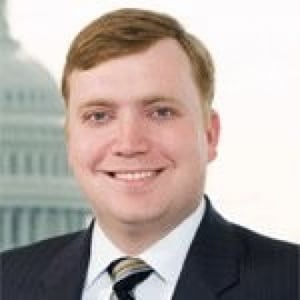
Solicitor General of Kentucky
Matt Kuhn serves as the Solicitor General of Kentucky. As Solicitor General, he oversees the office's civil and criminal appellate litigation and supervises the office's filing of amicus briefs. Since joining the Attorney General's office, he has argued in the Supreme Court of the United States, the United States Court of Appeals for the Sixth Circuit, and the Supreme Court of Kentucky. Before joining the Attorney General's office, he served as Chief Deputy General Counsel to the Governor of Kentucky. He also worked in private practice at Jones Day in Washington, D.C. and Stoll Keenon Ogden in Louisville, and served as a law clerk for Judge Raymond Gruender of the United States Court of Appeals for the Eighth Circuit. He is a graduate of Furman University and Columbia Law School.
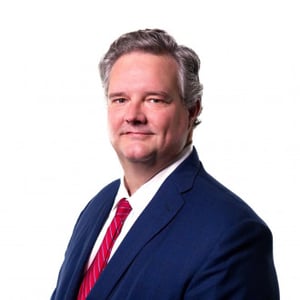
Partner, Dinsmore & Shohl LLP
Eric has more than two decades of experience providing strategic counsel to a broad range of industries, organizations, candidates and public officials on law and public policy, including campaign and issue advocacy, government ethics and regulatory compliance. He advises clients how to make their voices heard by policymakers, through engagement in the policymaking process and through direct and grassroots advocacy in support of issues and candidates.
He has extensive experience with complex litigation business disputes and appellate matters. He brought a case on behalf of the Commonwealth that resulted in the largest judgment in Kentucky history, in the amount of $870 million against an unregulated offshore Internet gambling operation. Eric also advises clients in industries such distilled spirits, breweries and energy industry clients on corporate and transactional matters, and before regulatory agencies on licensing, enforcement and compliance matters.
Eric was counsel for U.S. Senate Majority Leader Mitch McConnell’s 2014 reelection effort. He is currently general counsel to the Republican Party of Kentucky and the Kentucky House Republican Leadership. He has advised gubernatorial campaigns in Kentucky, Ohio, and other states, and legislative caucuses across the nation, including Kentucky, Ohio, Pennsylvania and West Virginia. Eric serves as counsel to multiple campaigns, super PACs, trade associations and non-profit organizations, including one spending over $10 million in support of Senator Ted Cruz in the 2016 Presidential primary.
With his experience and knowledge of how policy is made and regulators make decisions, Eric is effective at counseling businesses and industries how to cut through the red tape and obtain a positive result for their operations.
Auditor of Public Accounts, Commonwealth of Kentucky
Allison Ball is the 48th Auditor of Public Accounts for the Commonwealth of Kentucky. Prior to being elected Auditor, Ball served two terms as Kentucky State Treasurer. Before that, she spent four years as Assistant Floyd County Attorney, prosecuting child abuse and juvenile delinquency cases. When first appointed to office, Ball was the youngest statewide elected official in the country.
Ball has a rich Kentucky history; her family has been in Eastern Kentucky since the 1790s, and she holds a degree from the University of Kentucky College of Law.
She is a fierce watchdog for Kentucky taxpayer dollars. As Auditor, Ball protects against waste, fraud, and abuse.
As Treasurer, she returned more unclaimed property than any Treasurer in state history and established a savings and investment program for people with disabilities. She has been a national leader for improved financial literacy; Ball established the Kentucky Financial Empowerment Commission, and she successfully advocated for a financial literacy high school graduation requirement.
A Floyd County native, Ball and her husband, Dr. Asa James Swan, have two children, Levi and Marigold. Upon birth of her son, she was the first Kentucky Constitutional Officer to give birth while in office.
General Counsel, Kentucky Department of Agriculture
Solicitor General of Kentucky
Matt Kuhn serves as the Solicitor General of Kentucky. As Solicitor General, he oversees the office's civil and criminal appellate litigation and supervises the office's filing of amicus briefs. Since joining the Attorney General's office, he has argued in the Supreme Court of the United States, the United States Court of Appeals for the Sixth Circuit, and the Supreme Court of Kentucky. Before joining the Attorney General's office, he served as Chief Deputy General Counsel to the Governor of Kentucky. He also worked in private practice at Jones Day in Washington, D.C. and Stoll Keenon Ogden in Louisville, and served as a law clerk for Judge Raymond Gruender of the United States Court of Appeals for the Eighth Circuit. He is a graduate of Furman University and Columbia Law School.
Partner, Dinsmore & Shohl LLP
Eric has more than two decades of experience providing strategic counsel to a broad range of industries, organizations, candidates and public officials on law and public policy, including campaign and issue advocacy, government ethics and regulatory compliance. He advises clients how to make their voices heard by policymakers, through engagement in the policymaking process and through direct and grassroots advocacy in support of issues and candidates.
He has extensive experience with complex litigation business disputes and appellate matters. He brought a case on behalf of the Commonwealth that resulted in the largest judgment in Kentucky history, in the amount of $870 million against an unregulated offshore Internet gambling operation. Eric also advises clients in industries such distilled spirits, breweries and energy industry clients on corporate and transactional matters, and before regulatory agencies on licensing, enforcement and compliance matters.
Eric was counsel for U.S. Senate Majority Leader Mitch McConnell’s 2014 reelection effort. He is currently general counsel to the Republican Party of Kentucky and the Kentucky House Republican Leadership. He has advised gubernatorial campaigns in Kentucky, Ohio, and other states, and legislative caucuses across the nation, including Kentucky, Ohio, Pennsylvania and West Virginia. Eric serves as counsel to multiple campaigns, super PACs, trade associations and non-profit organizations, including one spending over $10 million in support of Senator Ted Cruz in the 2016 Presidential primary.
With his experience and knowledge of how policy is made and regulators make decisions, Eric is effective at counseling businesses and industries how to cut through the red tape and obtain a positive result for their operations.

Attorney General, Commonwealth of Kentucky
Daniel Cameron is the CEO of the 1792 Exchange, working to protect free exercise, free speech, and free enterprise and help American corporations return to the winning formula of producing great products and services, not pushing agendas.
Daniel previously served as the 51st Attorney General of Kentucky from 2019 to 2023. He was the first black American elected to a standalone statewide office in Kentucky’s history. Daniel then went on to win the Republican nomination for governor of Kentucky.
He grew up in Elizabethtown, Kentucky and attended the University of Louisville, where he played football for the Cardinals. After graduating from Brandeis School of Law, he clerked for a federal judge. Daniel later served as legal counsel to United States Senator Mitch McConnell.
Daniel and his wife are blessed with two sons: Theodore and Bennett. They reside in Louisville, Kentucky, a place they proudly call home.
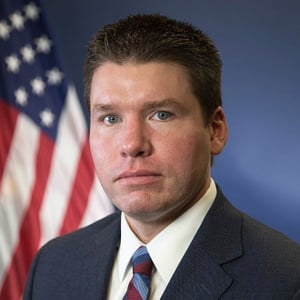
United States Attorney, Eastern District of Kentucky
Robert M. Duncan, Jr. is the United States Attorney for the Eastern District of Kentucky. He was nominated by President Donald Trump on August 3, 2017, and confirmed by the United States Senate on November 9, 2017.
Prior to his appointment, Duncan had served for more than a decade as an Assistant United States Attorney in the Eastern District of Kentucky. Beginning in 2011 and continuing until his appointment as United States Attorney, Duncan focused on the prosecution of Organized Crime Drug Enforcement Task Force cases, working with federal, state, and local law enforcement personnel to disrupt and dismantle complex drug trafficking and money laundering organizations operating in the District and elsewhere. From 2007 to 2013, Duncan served as coordinator of the office’s Project Safe Neighborhoods Program, a Department of Justice initiative to reduce gun and gang crime through education, community outreach, and prosecution.
General Counsel, Kentucky Justice & Public Safety Cabinet
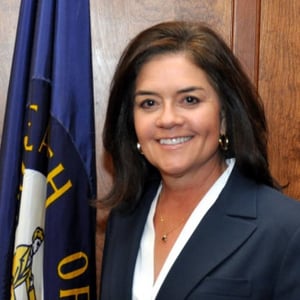
Fayette County Commonwealth's Attorney, 22nd Judicial District of Kentucky
Lou Anna Red Corn is in her 31st year as a prosecutor and is the Commonwealth’s Attorney for the 22nd Judicial Circuit of Kentucky, (Fayette County). Lou Anna was appointed by Governor Matt Bevin in 2016, to fill the vacancy created by the resignation of long-time Commonwealth’s Attorney Ray Larson.
Prior to her appointment, Lou Anna worked as an Assistant Fayette County Commonwealth’s Attorney for 30 years, serving as Larson’s Chief Deputy since 2006. Before becoming a prosecutor Lou Anna was an Assistant Public Advocate (public defender) in Eastern Kentucky, and worked briefly in civil practice.
Lou Anna is a career prosecutor. She has tried more than 225 felony cases, including 51 homicides. Some of the more notable cases include Shane Ragland for the sniper-style killing of UK football player Trent Diguiro; Leonard Neinabor, a Catholic priest who sexually abused parish children over several decades; and Donald Southworth for the murder of his wife Umi. Most recently, she prosecuted Mark Taylor for the kidnaping and murder of UK Chef Alex Johnson.
Lou Anna is an advocate for all victims of crime, but takes a special interest in child victim cases, especially child fatalities from inflicted head trauma, child sexual abuse and child exploitation through electronic solicitation and child pornography. Lou Anna help establish the Fayette County Child Sexual Abuse Multi Disciplinary Team (1989), which has remained a model for other teams statewide. She is also a founding and current board member of the Children’s Advocacy Center of the Bluegrass, Inc., having served as both treasurer and secretary.
Lou Anna received her Juris Doctorate and Bachelor of Arts Degrees from the University of Kentucky. She is married to attorney Luke Morgan, and they have two sons.
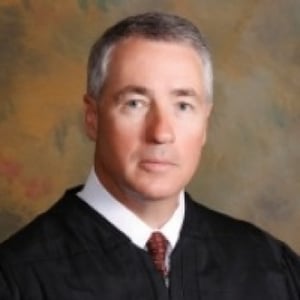
Chief Judge, United States District Court for the Eastern District of Kentucky
Judge Danny C. Reeves is a United States District Judge for the Eastern District of Kentucky, a position he has held since 2001. Prior to his appointment to the bench, Judge Reeves was a partner in the Lexington, Kentucky office of Bingham Greenebaum Doll LLP (formerly Greenebaum Doll & McDonald PLLC), where he practiced civil litigation from 1983 to 2001. Judge Reeves began his legal career as a law clerk to the Honorable Eugene E. Siler, Jr., then of the United States District Court for the Eastern and Western Districts of Kentucky from 1981 to 1983. He received his J.D. from Salmon P. Chase College of Law, Northern Kentucky University in 1981 and his B.A. from Eastern Kentucky University in 1978.
Attorney General, Commonwealth of Kentucky
Daniel Cameron is the CEO of the 1792 Exchange, working to protect free exercise, free speech, and free enterprise and help American corporations return to the winning formula of producing great products and services, not pushing agendas.
Daniel previously served as the 51st Attorney General of Kentucky from 2019 to 2023. He was the first black American elected to a standalone statewide office in Kentucky’s history. Daniel then went on to win the Republican nomination for governor of Kentucky.
He grew up in Elizabethtown, Kentucky and attended the University of Louisville, where he played football for the Cardinals. After graduating from Brandeis School of Law, he clerked for a federal judge. Daniel later served as legal counsel to United States Senator Mitch McConnell.
Daniel and his wife are blessed with two sons: Theodore and Bennett. They reside in Louisville, Kentucky, a place they proudly call home.
United States Attorney, Eastern District of Kentucky
Robert M. Duncan, Jr. is the United States Attorney for the Eastern District of Kentucky. He was nominated by President Donald Trump on August 3, 2017, and confirmed by the United States Senate on November 9, 2017.
Prior to his appointment, Duncan had served for more than a decade as an Assistant United States Attorney in the Eastern District of Kentucky. Beginning in 2011 and continuing until his appointment as United States Attorney, Duncan focused on the prosecution of Organized Crime Drug Enforcement Task Force cases, working with federal, state, and local law enforcement personnel to disrupt and dismantle complex drug trafficking and money laundering organizations operating in the District and elsewhere. From 2007 to 2013, Duncan served as coordinator of the office’s Project Safe Neighborhoods Program, a Department of Justice initiative to reduce gun and gang crime through education, community outreach, and prosecution.
General Counsel, Kentucky Justice & Public Safety Cabinet
Fayette County Commonwealth's Attorney, 22nd Judicial District of Kentucky
Lou Anna Red Corn is in her 31st year as a prosecutor and is the Commonwealth’s Attorney for the 22nd Judicial Circuit of Kentucky, (Fayette County). Lou Anna was appointed by Governor Matt Bevin in 2016, to fill the vacancy created by the resignation of long-time Commonwealth’s Attorney Ray Larson.
Prior to her appointment, Lou Anna worked as an Assistant Fayette County Commonwealth’s Attorney for 30 years, serving as Larson’s Chief Deputy since 2006. Before becoming a prosecutor Lou Anna was an Assistant Public Advocate (public defender) in Eastern Kentucky, and worked briefly in civil practice.
Lou Anna is a career prosecutor. She has tried more than 225 felony cases, including 51 homicides. Some of the more notable cases include Shane Ragland for the sniper-style killing of UK football player Trent Diguiro; Leonard Neinabor, a Catholic priest who sexually abused parish children over several decades; and Donald Southworth for the murder of his wife Umi. Most recently, she prosecuted Mark Taylor for the kidnaping and murder of UK Chef Alex Johnson.
Lou Anna is an advocate for all victims of crime, but takes a special interest in child victim cases, especially child fatalities from inflicted head trauma, child sexual abuse and child exploitation through electronic solicitation and child pornography. Lou Anna help establish the Fayette County Child Sexual Abuse Multi Disciplinary Team (1989), which has remained a model for other teams statewide. She is also a founding and current board member of the Children’s Advocacy Center of the Bluegrass, Inc., having served as both treasurer and secretary.
Lou Anna received her Juris Doctorate and Bachelor of Arts Degrees from the University of Kentucky. She is married to attorney Luke Morgan, and they have two sons.
Chief Judge, United States District Court for the Eastern District of Kentucky
Judge Danny C. Reeves is a United States District Judge for the Eastern District of Kentucky, a position he has held since 2001. Prior to his appointment to the bench, Judge Reeves was a partner in the Lexington, Kentucky office of Bingham Greenebaum Doll LLP (formerly Greenebaum Doll & McDonald PLLC), where he practiced civil litigation from 1983 to 2001. Judge Reeves began his legal career as a law clerk to the Honorable Eugene E. Siler, Jr., then of the United States District Court for the Eastern and Western Districts of Kentucky from 1981 to 1983. He received his J.D. from Salmon P. Chase College of Law, Northern Kentucky University in 1981 and his B.A. from Eastern Kentucky University in 1978.
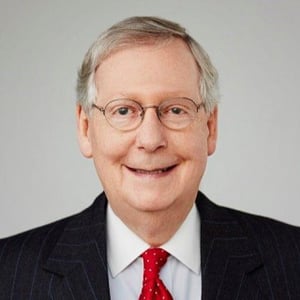
United States Senator, Kentucky
Mitch McConnell is the Senate Majority Leader. Elected to that position unanimously by his Republican colleagues first in 2014 and again in 2016, he is only the second Kentuckian to ever serve as Majority Leader in the U.S. Senate. The first, Senator Alben Barkley, led the Democrats from 1937 to 1949.
Senator McConnell has served, again by the unanimous vote of his colleagues, as the Republican Leader since the 110th Congress. He is the longest-serving Senate Republican Leader in the history of the United States. McConnell previously served in leadership as the Majority Whip in the 108th and 109th Congresses and as chairman of the National Republican Senatorial Committee during the 1998 and 2000 election cycles.
McConnell has been called “the most conservative leader of either party in the history of the Senate.” He has also earned a reputation as a “master tactician” for permanently locking in critical tax relief for working families and small businesses, and putting in place the most significant spending reduction legislation in a generation.
He has received praise from numerous media outlets for his work as Senate Majority Leader, and in 2015 TIME Magazine named McConnell one of the 100 Most Influential People in the World.
First elected to the Senate in 1984, McConnell is Kentucky’s longest-serving senator. He made history that year as the only Republican challenger in the country to defeat an incumbent Democrat and as the first Republican to win a statewide Kentucky race since 1968. On November 4, 2014, he was elected to a record sixth term by receiving broad support across Kentucky, winning 110 of the Commonwealth’s 120 counties.
McConnell graduated with honors from the University of Louisville College of Arts and Sciences, where he served as student body president. He also is a graduate of the University of Kentucky College of Law, where he was elected president of the Student Bar Association.
McConnell worked as an intern on Capitol Hill for Senator John Sherman Cooper before serving as chief legislative assistant to Senator Marlow Cook and as Deputy Assistant Attorney General to President Gerald Ford.
Before his election to the Senate, he served as judge-executive of Jefferson County, Kentucky, from 1978 until he commenced his Senate term on January 3, 1985.
McConnell currently serves as a senior member of the Appropriations, Agriculture and Rules Committees. He is the proud father of three daughters.
McConnell is married to Secretary Elaine L. Chao, the 18th U.S. Secretary of Transportation. Previously, Secretary Chao served for eight years as President George W. Bush’s U.S. Secretary of Labor. She is also a former president of the United Way of America and director of the Peace Corps.
United States Senator, Kentucky
Mitch McConnell is the Senate Majority Leader. Elected to that position unanimously by his Republican colleagues first in 2014 and again in 2016, he is only the second Kentuckian to ever serve as Majority Leader in the U.S. Senate. The first, Senator Alben Barkley, led the Democrats from 1937 to 1949.
Senator McConnell has served, again by the unanimous vote of his colleagues, as the Republican Leader since the 110th Congress. He is the longest-serving Senate Republican Leader in the history of the United States. McConnell previously served in leadership as the Majority Whip in the 108th and 109th Congresses and as chairman of the National Republican Senatorial Committee during the 1998 and 2000 election cycles.
McConnell has been called “the most conservative leader of either party in the history of the Senate.” He has also earned a reputation as a “master tactician” for permanently locking in critical tax relief for working families and small businesses, and putting in place the most significant spending reduction legislation in a generation.
He has received praise from numerous media outlets for his work as Senate Majority Leader, and in 2015 TIME Magazine named McConnell one of the 100 Most Influential People in the World.
First elected to the Senate in 1984, McConnell is Kentucky’s longest-serving senator. He made history that year as the only Republican challenger in the country to defeat an incumbent Democrat and as the first Republican to win a statewide Kentucky race since 1968. On November 4, 2014, he was elected to a record sixth term by receiving broad support across Kentucky, winning 110 of the Commonwealth’s 120 counties.
McConnell graduated with honors from the University of Louisville College of Arts and Sciences, where he served as student body president. He also is a graduate of the University of Kentucky College of Law, where he was elected president of the Student Bar Association.
McConnell worked as an intern on Capitol Hill for Senator John Sherman Cooper before serving as chief legislative assistant to Senator Marlow Cook and as Deputy Assistant Attorney General to President Gerald Ford.
Before his election to the Senate, he served as judge-executive of Jefferson County, Kentucky, from 1978 until he commenced his Senate term on January 3, 1985.
McConnell currently serves as a senior member of the Appropriations, Agriculture and Rules Committees. He is the proud father of three daughters.
McConnell is married to Secretary Elaine L. Chao, the 18th U.S. Secretary of Transportation. Previously, Secretary Chao served for eight years as President George W. Bush’s U.S. Secretary of Labor. She is also a former president of the United Way of America and director of the Peace Corps.
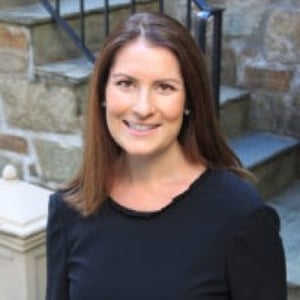
General Counsel & Parliamentarian, U. S. House of Representatives, Financial Services Committee
Molly Boyl Fromm is the General Counsel and Parliamentarian for the Financial Services Committee in U.S. House of Representatives. Prior to this role she has served the House as the General Counsel and Parliamentarian for the Committee on Science, Space and Technology and as Deputy General Counsel and Parliamentarian for the Oversight and Government Reform Committee.
She received her Bachelor of Arts in Political Science from the University of California, Berkley and her law degree from The Catholic University of America, Columbus School of Law.
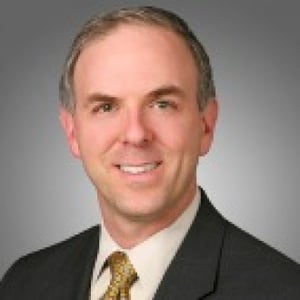
Partner, Akin Gump Strauss Hauer & Feld LLP
Mr. Pomper formerly served as chief international trade counsel to Senate Finance Committee Chairman Max Baucus (D-MT). In that role, he was responsible for advising Chairman Baucus and other members of the Senate Finance Committee on all aspects of the Committee’s international trade and economic agenda.
In his current practice, Mr. Pomper represents companies before Congress, the White House and federal agencies on a diverse set of public policy matters, including market access, investment, international trade disputes, intellectual property, international tax and customs issues.
Mr. Pomper also serves as an adjunct professor teaching international trade policy and politics at George Washington’s Graduate School of Political Management. He was elected 2011 to serve a three-year term as a member of the Steering Committee for the International Law Section of the D.C. Bar. He is an Educational Counselor for the Massachusetts Institute of Technology, for which he interviews students from the Thomas Jefferson High School for Science and Technology in Alexandria, Virginia applying to MIT.
Mr. Pomper is a member of the U.S. patent bar.
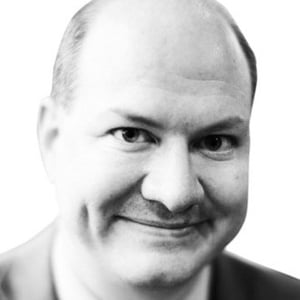
Editor, Modern Age
Daniel McCarthy is the Editor of Modern Age, an American conservative academic quarterly journal. Previously, he was the editor-at-large of The American Conservative from 2010 through 2016. His writing has appeared in The New York Times, USA Today, The Spectator, The National Interest, Reason, Modern Age, and other publications. He has been interviewed on National Public Radio, the BBC, Fox Business, and many other outlets. Outside of journalism, he has worked as internet communications coordinator of the Ron Paul 2008 presidential campaign and senior editor of ISI Books. He is a graduate of Washington University in St. Louis, where he studied classics.

Topics
Solicitor General Francisco Attempts to Fast-Track DACA Litigation to SCOTUS
U.S. Solicitor General Noel Francisco petitioned the Supreme Court on Monday to grant certiorari before...
Judicial Selection in Kentucky
Meryl J. Chertoff, Brian T. Fitzpatrick, S. Chad Meredith, John C. Roach
2018 Kentucky Chapters Conference
On October 29, 2018, the Federalist Society's Kentucky lawyers chapters hosted the second annual Kentucky...
Judicial Selection in Kentucky
Meryl J. Chertoff, Brian T. Fitzpatrick, S. Chad Meredith, John C. Roach
2018 Kentucky Chapters Conference
On October 29, 2018, the Federalist Society's Kentucky lawyers chapters hosted the second annual Kentucky...
Kentucky Constitution: Features, Quirks, and Practice Pointers
Allison Joy Ball, Joe Bilby, Matthew Kuhn, David Eric Lycan
2018 Kentucky Chapters Conference
On October 29, 2018, the Federalist Society's Kentucky lawyers chapters hosted the second annual Kentucky...
Kentucky Constitution: Features, Quirks, and Practice Pointers
Allison Joy Ball, Joe Bilby, Matthew Kuhn, David Eric Lycan
2018 Kentucky Chapters Conference
On October 29, 2018, the Federalist Society's Kentucky lawyers chapters hosted the second annual Kentucky...
Criminal Justice Trends and Potential Reform
Daniel Cameron, Robert M. Duncan, Andrew G. English, Lou Anna Red Corn, Danny C. Reeves
2018 Kentucky Chapters Conference
On October 29, 2018, the Federalist Society's Kentucky lawyers chapters hosted the second annual Kentucky...
Criminal Justice Trends and Potential Reform
Daniel Cameron, Robert M. Duncan, Andrew G. English, Lou Anna Red Corn, Danny C. Reeves
2018 Kentucky Chapters Conference
On October 29, 2018, the Federalist Society's Kentucky lawyers chapters hosted the second annual Kentucky...
Keynote Address by Mitch McConnell
Mitch McConnell
2018 Kentucky Chapters Conference
On October 29, 2018, the Federalist Society's Kentucky lawyers chapters hosted the second annual Kentucky...
Keynote Address by Mitch McConnell
Mitch McConnell
2018 Kentucky Chapters Conference
On October 29, 2018, the Federalist Society's Kentucky lawyers chapters hosted the second annual Kentucky...
Necessary & Proper Episode 30: The Legislative Branch and Trade
Molly Boyl Fromm, Brian Arthur Pomper, Daniel McCarthy, Stephen Claeys
American trade policy has been the subject of much interest and media attention over the...