

Partner, Secil Law
John Irving brings nearly three decades of experience in white collar criminal defense, government investigations, and high-stakes congressional and corporate inquiries. A former federal prosecutor and trusted advisor within the U.S. Department of Justice and the Environmental Protection Agency, John is known for his calm under pressure, strategic clarity, and unwavering discretion.
His clients have included Members of Congress, senior executives, political appointees, and corporate entities navigating complex criminal, civil, and regulatory matters—including matters that have dominated national headlines. John’s practice today is defined by sophisticated representation in sensitive investigations, classified matters, and strategic crisis response—often involving multiple enforcement authorities.
John served for over a decade in the U.S. Department of Justice, including as an Assistant U.S. Attorney in Washington, D.C., where he prosecuted a wide range of criminal cases and appeared regularly in court. He later served as Counsel to two Deputy Attorneys General and as Counsel to the Assistant Attorney General of DOJ’s Environment and Natural Resources Division, advising on departmental policy and enforcement matters at the highest levels.
Prior to his tenure at DOJ, John served as Investigative Counsel to the (then-named) U.S. House Committee on Government Reform & Oversight and as an Associate Independent Counsel in the investigation of former HUD Secretary Henry Cisneros.
Before joining SECIL Law, John was a Partner at E&W Law, a boutique firm focused on environmental and white-collar litigation, and previously spent over a decade at Holland & Knight LLP in Washington, D.C. There, he was a key member of the firm’s White-Collar Defense, Investigations & Compliance team.
His private practice experience includes:
John’s clients appreciate his deep fluency in government processes, his strategic precision in high-pressure moments, and his ability to quietly resolve matters that others cannot.
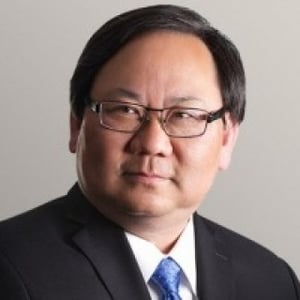
Partner, King & Spalding LLP
Granta Nakayama specializes in energy and environmental issues. A partner in our Environmental practice with a focus on energy, Granta represents companies in a range of regulatory and enforcement matters.
With training as a nuclear engineer and more than a decade of experience as a practicing engineer and technical manager, Granta represents clients with products or services regulated by the Environmental Protection Agency (EPA) and Consumer Product Safety Commission (CPSC), along with state government agencies such as the California Air Resources Board. He defends companies in enforcement actions and litigation involving regulations and rate proceedings, and represents their interests in agency rulemakings and Congressional matters.
From 2005 to 2009, Granta served as Assistant Administrator for the EPA Office of Enforcement and Compliance Assurance. In that role, he led 3,400 employees in a national enforcement and compliance program covering air, water, waste, toxic chemicals and pesticides. During his tenure, EPA achieved record annual pollutant reductions (more than 3 billion pounds) and injunctive relief (over $11 billion).
The National Law Journal has recognized Granta as a 2016 "Energy and Environmental Trailblazer." He has been listed by The Legal 500 every year since 2010, and was recognized as a "Hall of Famer" in both the environmental litigation and regulatory and the rail and road litigation and regulatory sections in 2020. He has also been ranked in each edition of Chambers USA since 2010.
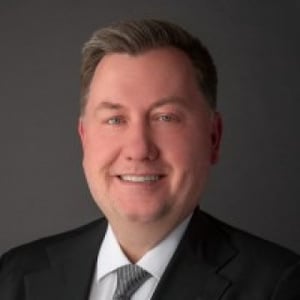
Partner, Sidley Austin LLP
JUSTIN SAVAGE is a global co-leader of the firm’s Environmental, Health, and Safety practice and co-leads the Automotive and Mobility sector team, where he is a leading strategist for companies navigating the intersection of complex regulation, high-stakes litigation, and transformative industry change. For nearly three decades, he has led clients through their most consequential environmental, health, and safety (EH&S) disputes and mobility-sector challenges, earning a reputation as both a trusted counselor and a forceful advocate in the courtroom and the boardroom. A core part of Justin’s practice also focuses on regulatory strategy and market entry, advising emerging technology companies, new market entrants, and established industry leaders on launching new products, technologies, and business models. He regularly counsel clients in emerging fields such as robotics and AI on engaging with regulators, anticipating enforcement and compliance risk, and building defensible regulatory strategies that support growth rather than slow it.
Clients praise Justin as “an excellent litigator… strategically clever and creative… attentive, thoughtful and willing to go above and beyond” (Chambers USA 2025). Chambers USA has ranked him for Band 1 for Environment in District of Columbia (2017–2025) and Band 3 for Transportation: Road (Automotive) in USA—Nationwide (2023–2025).
Justin has won some of the most closely watched EH&S and transportation disputes of the past two decades and guided companies through crises where business continuity, brand reputation, and regulatory survival were on the line. His leadership has been repeatedly recognized: he is a three-time Law360 Environmental “MVP” (2018, 2024, 2025) and a Lawdragon “500 Global Leaders in Crisis Management” (2025-2026). He is the first call for companies facing bet-the-company challenges.
Justin’s clients concentrate in heavily regulated industries, including auto and mobility, aviation, chemicals, data centers, energy, mining, and refining. Justin litigates and counsels across the spectrum of U.S. environmental, transportation, and administrative laws, including the Clean Air Act (Title I, mobile sources, and fuels), incident response, RMP, NHTSA, Clean Water Act, TSCA, CSB investigations, APA claims, FOIA litigation, NEPA, and the Safe Drinking Water Act.
Prior to joining Sidley, Justin served for nearly a decade at the Environmental Enforcement Section of the U.S. Department of Justice, where he led teams in several multi-billion dollar enforcement cases. In his career, Justin has regularly taught on a range of environmental and litigation topics. For several years, Justin served as an instructor at the Justice Department’s National Advocacy Center where he taught hundreds of Assistant U.S. Attorneys and other agency lawyers on topics that included trial advocacy and evidence. Since rejoining private practice, Justin has served eight times as a faculty member for the American Law Institute’s Environmental Litigation program. He also lectured on a range of litigation and trial topics for bar associations and organizations, including serving as an instructor for the FAA on trial advocacy.
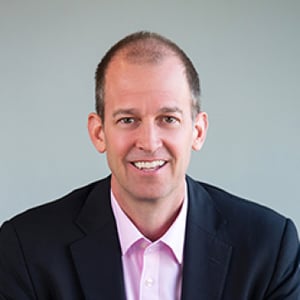
Founding Partner, Benbrook Law Group
Brad has litigated business and public policy matters throughout the United States for over 25 years. He represents businesses of all sizes in civil litigation and disputes with administrative agencies. Brad also regularly represents individuals and groups in constitutional and public policy litigation in the trial and appellate courts. He regularly submits amicus briefs on behalf of clients at the Supreme Court of the United States on significant cases. Brad is often hired as special litigation counsel in complex family law, bankruptcy, and trust and estate litigation.
After graduating from law school, Brad worked as a judicial clerk for Judge J.L. Edmondson of the United States Court of Appeals for the Eleventh Circuit in Atlanta. Brad received his law degree from the University of California at Berkeley after graduating from Stanford University, where he was a four-year letterman on the golf team.
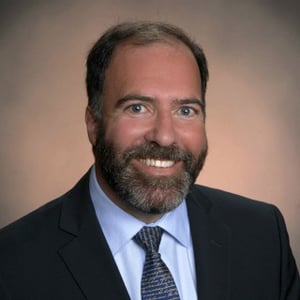
Professor of Law, Widener University Commonwealth Law School
Founding Partner, Benbrook Law Group
Brad has litigated business and public policy matters throughout the United States for over 25 years. He represents businesses of all sizes in civil litigation and disputes with administrative agencies. Brad also regularly represents individuals and groups in constitutional and public policy litigation in the trial and appellate courts. He regularly submits amicus briefs on behalf of clients at the Supreme Court of the United States on significant cases. Brad is often hired as special litigation counsel in complex family law, bankruptcy, and trust and estate litigation.
After graduating from law school, Brad worked as a judicial clerk for Judge J.L. Edmondson of the United States Court of Appeals for the Eleventh Circuit in Atlanta. Brad received his law degree from the University of California at Berkeley after graduating from Stanford University, where he was a four-year letterman on the golf team.
Professor of Law, Widener University Commonwealth Law School
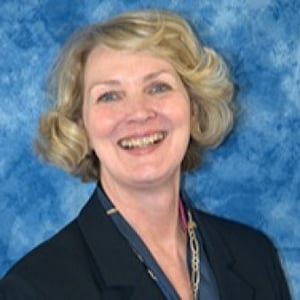
Professor and Director, Prolife Center, University of St. Thomas School of Law
Teresa Collett, J.D., is professor at the University of St. Thomas School of Law, where she serves as director of the school's Prolife Center. Collett received her doctorate at the University of Oklahoma College of Law. As a well-known advocate for the protection of human life and the family, Collett specializes in the subjects of marriage, religion and bioethics in her research.
Collett has published numerous legal articles and is the co-author of a law casebook on professional responsibility and co-editor of a collection of essays exploring “catholic” and “Catholic” perspectives on American law. She is an elected member of the American Law Institute, and has testified before committees of the U.S. Senate and House of Representatives, as well as before legislative committees in several states.
In 2009, Pope Benedict XVI appointed Collett to a five-year term on the Pontifical Council for the Family. Her appointment was renewed by His Holiness Pope Francis until 2016 when the responsibilities of the Council were assumed by the Dicastery for the Laity, Family and Life. In 2013, she served as a delegate to the International Conference on Population and Development (ICPD) for the Mission of the Holy See to the United Nations.
She represented Congressman Ron Paul and various medical groups in the defense of the U.S. federal ban of partial-birth abortion, and the governors of Minnesota and North Dakota defending the N.H. requirement of state parental involvement prior to performance of an abortion on a minor before the U.S. Supreme Court. Collett is often asked to represent the interests of government officials before federal appellate courts. She has served as special attorney general for the states of Oklahoma and Kansas, as well as assisting other state attorneys general in defending laws protecting human life and marriage. Prior to joining St. Thomas in 2003, Collett taught at the South Texas College of Law, where she established the nation's first annual symposium on legal ethics.
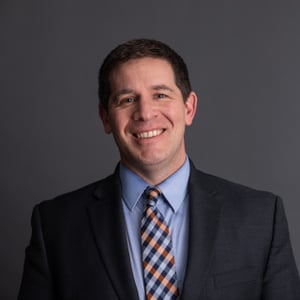
Vice President for Legal Strategy, Stand Together
Casey Mattox is Vice President for Legal Strategy at Stand Together and Senior Advisor at
Americans for Prosperity. In these roles he advocates for and creates strategies and
partnerships to ensure a constitutionally limited government that protects the civil liberties of all
Americans. Prior to joining Stand Together and AFP Casey’s legal career focused on defending
the First Amendment rights of students, faculty, healthcare workers and religious organizations.
Casey has a J.D. from Boston College School of Law and an undergraduate degree from the
University of Virginia. You can find him on Twitter at @CaseyMattox_ and on LinkedIn at
@Casey-Mattox-ST.
Professor and Director, Prolife Center, University of St. Thomas School of Law
Teresa Collett, J.D., is professor at the University of St. Thomas School of Law, where she serves as director of the school's Prolife Center. Collett received her doctorate at the University of Oklahoma College of Law. As a well-known advocate for the protection of human life and the family, Collett specializes in the subjects of marriage, religion and bioethics in her research.
Collett has published numerous legal articles and is the co-author of a law casebook on professional responsibility and co-editor of a collection of essays exploring “catholic” and “Catholic” perspectives on American law. She is an elected member of the American Law Institute, and has testified before committees of the U.S. Senate and House of Representatives, as well as before legislative committees in several states.
In 2009, Pope Benedict XVI appointed Collett to a five-year term on the Pontifical Council for the Family. Her appointment was renewed by His Holiness Pope Francis until 2016 when the responsibilities of the Council were assumed by the Dicastery for the Laity, Family and Life. In 2013, she served as a delegate to the International Conference on Population and Development (ICPD) for the Mission of the Holy See to the United Nations.
She represented Congressman Ron Paul and various medical groups in the defense of the U.S. federal ban of partial-birth abortion, and the governors of Minnesota and North Dakota defending the N.H. requirement of state parental involvement prior to performance of an abortion on a minor before the U.S. Supreme Court. Collett is often asked to represent the interests of government officials before federal appellate courts. She has served as special attorney general for the states of Oklahoma and Kansas, as well as assisting other state attorneys general in defending laws protecting human life and marriage. Prior to joining St. Thomas in 2003, Collett taught at the South Texas College of Law, where she established the nation's first annual symposium on legal ethics.
Vice President for Legal Strategy, Stand Together
Casey Mattox is Vice President for Legal Strategy at Stand Together and Senior Advisor at
Americans for Prosperity. In these roles he advocates for and creates strategies and
partnerships to ensure a constitutionally limited government that protects the civil liberties of all
Americans. Prior to joining Stand Together and AFP Casey’s legal career focused on defending
the First Amendment rights of students, faculty, healthcare workers and religious organizations.
Casey has a J.D. from Boston College School of Law and an undergraduate degree from the
University of Virginia. You can find him on Twitter at @CaseyMattox_ and on LinkedIn at
@Casey-Mattox-ST.
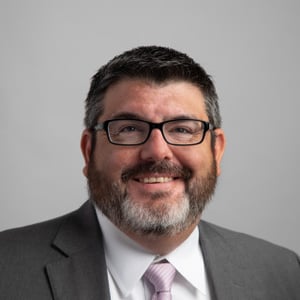
Senior Attorney, Institute for Justice
Paul Avelar is the Managing Attorney of the Institute for Justice Arizona Office. He joined the Institute in March 2010 and litigates free speech, property rights, economic liberty, school choice and other constitutional cases in federal and state courts.
As the head of IJ’s national Braiding Freedom Initiative, Paul represents natural hair braiders across the country to protect their right to earn an honest living. The Initiative uses lawsuits, activism and research to remove laws that require potential braiders to undergo hundreds of costly training hours just to braid hair. Since IJ launched the Braiding Freedom Initiative in 2014, 12 additional states have freed braiders from unnecessary licensing burdens. Paul drafted the model Natural Hair Braiding Protection Act, which has been adopted in Arkansas, Indiana, Iowa, Kentucky, Nebraska, New Hampshire, Texas and South Dakota. He is currently representing braiders in Missouri, where state laws infringe upon their right to earn an honest living.
In his free speech work, Paul has challenged numerous laws that trample First Amendment rights. In Arizona Freedom Club PAC v. Bennett, he represented candidates and independent groups in a successful U.S. Supreme Court challenge to the “matching funds” provision of Arizona’s publicly financed elections system. He represented grassroots groups and individuals in Arizona, Mississippi and Washington, where state laws burdened their political speech by requiring them to register with the government, to navigate complex regulations and to face fines and possible criminal penalties merely because they talked about political issues. In Washington, Paul protected a lawyer’s right to defend, pro-bono, the First Amendment rights of political speakers. Through litigation and legislation, Paul leads the fight against abusive civil forfeiture laws in Arizona and elsewhere.
Paul also co-authored the most comprehensive published study of economic liberty protections in the Arizona Constitution. The Chief Justice of the Arizona Supreme Court appointed Paul to the Task Force on the Review of the Role and Governance Structure of the State Bar of Arizona, where he dissented from the majority report and called on leaders to substantially reform the Bar and state regulation of the practice of law. He often speaks at law schools across the country about constitutional issues and his work at IJ.
Prior to joining IJ-AZ, Paul worked as an attorney in Philadelphia. He clerked for Judge Roger Miner on the 2nd U.S. Circuit Court of Appeals, Justice Andrew Hurwitz on the Arizona Supreme Court, and Judge Daniel Barker on the Arizona Court of Appeals.
Paul graduated manga cum laude from the Arizona State University College of Law in 2004 and was elected to the Order of the Coif. He received his undergraduate degree from Princeton University in 2000.
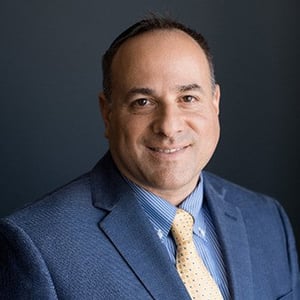
Policy Advisor, Heartland Institute
Jeff Stier is a policy advisor to the Heartland Institute.
He is widely quoted in the media and has written health policy op-eds for The Wall Street Journal, the Los Angeles Times, USA Today, The New York Post, The Washington Examiner, and Foxnews.com. The New York Times, the Associated Press, Reuters, CNN, Fox News, CNBC, MSNBC, NPR and other major outlets have interviewed and quoted Stier on a wide range of topics.
Stier has testified at state and local legislatures throughout the U.S., at FDA scientific hearings and at the Office of Management and Budget. He has also been a voice for freedom at hearings at the United Nations and in Israel’s Knesset. During more than two decades of advancing public health and defending liberty, Stier has been a speaker at CPAC, policy retreats for elected officials and medical and legal conferences.
Stier advises leading investment firms on regulatory and legal risk.
Earlier, Mr. Stier crafted health and environmental policy in the Office of the Mayor during the Giuliani administration in New York City.
Mr. Stier serves on the boards of the non-profit Jewish International Connections and Park City Jewish Collective. While earning his law degree at the Benjamin N. Cardozo School of Law, Mr. Stier served two terms as Editor-In-Chief of the Cardozo Law Forum. Jeff and his canine, BB, served as a Certified Crisis Response Strike Team with NATIONAL Crisis Response Canines, supporting survivors and first-responders.
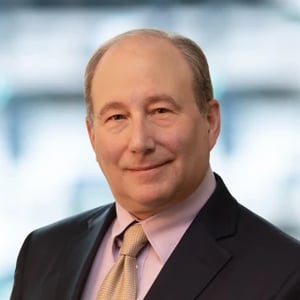
Managing Director, Berkeley Research Group
Dan Troy is the Managing Director at Berkeley Research Group.
Prior to that, he was the Chief Business Officer, Chief Administrative Officer, and General Counsel of Valo in Boston, Massachusetts.
Prior to joining Valo, he served as the Senior Vice President & General Counsel of GlaxoSmithKline and was a member of its Corporate Executive Team. Dan joined GSK in September 2008 and was responsible for leading the company’s legal department in protecting GSK’s intellectual property; managing litigation; supporting business development transactions; and business compliance and risk management. In 2012, Dan led the integration team following the acquisition of Human Genome Sciences, which later resulted in the launch of Benlysta, the first lupus treatment in 50 years. Dan led GSK’s Contributions Committee in the US and also led the Government Affairs, Public Policy and Patient Advocacy team from 2012 until 2014.
Prior to joining GSK, he was a Partner at the Washington law firm Sidley Austin LLP, where he principally represented pharmaceutical companies and trade associations on matters related to the US Food and Drug Administration (FDA) and government regulations. Dan was formerly Chief Counsel for the FDA, where he served as a primary liaison to the White House and the US Department of Health and Human Services.
Dan has chaired the American Bar Association's Section of Administrative Law and is a member of the American Law Institute. He currently chairs the US Chamber of Commerce Litigation Center. He has also chaired the Civil Justice Reform Group, as well as the PhRMA Law Section Executive Committee. He was the 2012 CPR Corporate Leadership Award recipient and, in 2013, was named a 'Legend in the Law' at the Burton Awards.
Dan holds a B.S. in Industrial and Labor Relations from Cornell University and a J.D. from Columbia University School of Law, where he was a member of the Law Review and a Kent Scholar. After graduation from law school, he was a law clerk for the US Circuit Court of Appeals for the District of Columbia Circuit.
Senior Attorney, Institute for Justice
Paul Avelar is the Managing Attorney of the Institute for Justice Arizona Office. He joined the Institute in March 2010 and litigates free speech, property rights, economic liberty, school choice and other constitutional cases in federal and state courts.
As the head of IJ’s national Braiding Freedom Initiative, Paul represents natural hair braiders across the country to protect their right to earn an honest living. The Initiative uses lawsuits, activism and research to remove laws that require potential braiders to undergo hundreds of costly training hours just to braid hair. Since IJ launched the Braiding Freedom Initiative in 2014, 12 additional states have freed braiders from unnecessary licensing burdens. Paul drafted the model Natural Hair Braiding Protection Act, which has been adopted in Arkansas, Indiana, Iowa, Kentucky, Nebraska, New Hampshire, Texas and South Dakota. He is currently representing braiders in Missouri, where state laws infringe upon their right to earn an honest living.
In his free speech work, Paul has challenged numerous laws that trample First Amendment rights. In Arizona Freedom Club PAC v. Bennett, he represented candidates and independent groups in a successful U.S. Supreme Court challenge to the “matching funds” provision of Arizona’s publicly financed elections system. He represented grassroots groups and individuals in Arizona, Mississippi and Washington, where state laws burdened their political speech by requiring them to register with the government, to navigate complex regulations and to face fines and possible criminal penalties merely because they talked about political issues. In Washington, Paul protected a lawyer’s right to defend, pro-bono, the First Amendment rights of political speakers. Through litigation and legislation, Paul leads the fight against abusive civil forfeiture laws in Arizona and elsewhere.
Paul also co-authored the most comprehensive published study of economic liberty protections in the Arizona Constitution. The Chief Justice of the Arizona Supreme Court appointed Paul to the Task Force on the Review of the Role and Governance Structure of the State Bar of Arizona, where he dissented from the majority report and called on leaders to substantially reform the Bar and state regulation of the practice of law. He often speaks at law schools across the country about constitutional issues and his work at IJ.
Prior to joining IJ-AZ, Paul worked as an attorney in Philadelphia. He clerked for Judge Roger Miner on the 2nd U.S. Circuit Court of Appeals, Justice Andrew Hurwitz on the Arizona Supreme Court, and Judge Daniel Barker on the Arizona Court of Appeals.
Paul graduated manga cum laude from the Arizona State University College of Law in 2004 and was elected to the Order of the Coif. He received his undergraduate degree from Princeton University in 2000.
Policy Advisor, Heartland Institute
Jeff Stier is a policy advisor to the Heartland Institute.
He is widely quoted in the media and has written health policy op-eds for The Wall Street Journal, the Los Angeles Times, USA Today, The New York Post, The Washington Examiner, and Foxnews.com. The New York Times, the Associated Press, Reuters, CNN, Fox News, CNBC, MSNBC, NPR and other major outlets have interviewed and quoted Stier on a wide range of topics.
Stier has testified at state and local legislatures throughout the U.S., at FDA scientific hearings and at the Office of Management and Budget. He has also been a voice for freedom at hearings at the United Nations and in Israel’s Knesset. During more than two decades of advancing public health and defending liberty, Stier has been a speaker at CPAC, policy retreats for elected officials and medical and legal conferences.
Stier advises leading investment firms on regulatory and legal risk.
Earlier, Mr. Stier crafted health and environmental policy in the Office of the Mayor during the Giuliani administration in New York City.
Mr. Stier serves on the boards of the non-profit Jewish International Connections and Park City Jewish Collective. While earning his law degree at the Benjamin N. Cardozo School of Law, Mr. Stier served two terms as Editor-In-Chief of the Cardozo Law Forum. Jeff and his canine, BB, served as a Certified Crisis Response Strike Team with NATIONAL Crisis Response Canines, supporting survivors and first-responders.
Managing Director, Berkeley Research Group
Dan Troy is the Managing Director at Berkeley Research Group.
Prior to that, he was the Chief Business Officer, Chief Administrative Officer, and General Counsel of Valo in Boston, Massachusetts.
Prior to joining Valo, he served as the Senior Vice President & General Counsel of GlaxoSmithKline and was a member of its Corporate Executive Team. Dan joined GSK in September 2008 and was responsible for leading the company’s legal department in protecting GSK’s intellectual property; managing litigation; supporting business development transactions; and business compliance and risk management. In 2012, Dan led the integration team following the acquisition of Human Genome Sciences, which later resulted in the launch of Benlysta, the first lupus treatment in 50 years. Dan led GSK’s Contributions Committee in the US and also led the Government Affairs, Public Policy and Patient Advocacy team from 2012 until 2014.
Prior to joining GSK, he was a Partner at the Washington law firm Sidley Austin LLP, where he principally represented pharmaceutical companies and trade associations on matters related to the US Food and Drug Administration (FDA) and government regulations. Dan was formerly Chief Counsel for the FDA, where he served as a primary liaison to the White House and the US Department of Health and Human Services.
Dan has chaired the American Bar Association's Section of Administrative Law and is a member of the American Law Institute. He currently chairs the US Chamber of Commerce Litigation Center. He has also chaired the Civil Justice Reform Group, as well as the PhRMA Law Section Executive Committee. He was the 2012 CPR Corporate Leadership Award recipient and, in 2013, was named a 'Legend in the Law' at the Burton Awards.
Dan holds a B.S. in Industrial and Labor Relations from Cornell University and a J.D. from Columbia University School of Law, where he was a member of the Law Review and a Kent Scholar. After graduation from law school, he was a law clerk for the US Circuit Court of Appeals for the District of Columbia Circuit.
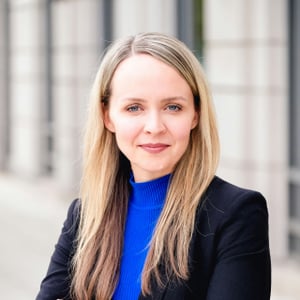
Professor of Law and Faculty Director for the Georgetown Center for the Constitution, Georgetown University Law Center
Stephanie Barclay is a Professor of Law at Georgetown Law School, and the Faculty Director of the Georgetown Center for the Constitution. Her research focuses on the role our different democratic institutions play in protecting minority rights, particularly at the intersection of free speech and religious exercise. Barclay‘s work is published or is forthcoming in leading journals such as the Harvard Law Review, the Chicago Law Review, the University of Pennsylvania Law Review, and the Yale Law Journal Forum. One of her articles was also selected for the 2020 Stanford/Harvard/Yale Junior Faculty Forum. Her work has been featured in many media outlets, including The New York Times, The Wall Street Journal, The Washington Post, USA Today, Bloomberg BNA, The Hill, and Law 360. And her work has also been cited by the U.S. Supreme Court.
Prior to joining Georgetown, Barclay was twice voted Professor of the Year. Barclay has also litigated constitutional cases at both the trial and appellate level, including before the U.S. Supreme Court. Barclay served as a law clerk to Judge N. Randy Smith on the U.S. Court of Appeals for the Ninth Circuit, and to Justice Neil M. Gorsuch of the U.S. Supreme Court.
Barclay is a Faculty Affiliate at the Constitutional Law Center at Stanford Law School; and she is a Nootbaar Fellow at the Nootbaar Institute on Law, Religion, and Ethics at Pepperdine University. She currently serves as the Chair for the AALS Law and Religion Section and as a Member of the Executive Committee for the AALS Constitutional Law Section. She graduated summa cum laude from BYU Law School, where she was elected to the Order of the Coif. She is completing a Ph.D. in Law at Oxford University as a Clarendon Scholar and a Tang Scholar.
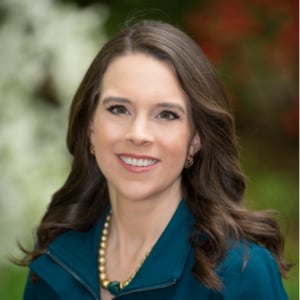
President, JCN
Carrie Campbell Severino is the president of the JCN, and co-author with Mollie Hemingway of the bestselling book Justice on Trial: The Kavanaugh Confirmation and the Future of the Court. As a go-to expert on the confirmation process, Mrs. Severino has been extensively quoted in the media. She regularly appears on television, including FOX, CNN, MSNBC, C-SPAN, and ABC’s This Week.
Severino writes and speaks on a wide range of judicial issues, including the constitutional limits on government, the federal nomination process, and state judicial selection. She has testified before Congress on constitutional questions and briefed Senators on judicial nominations, and regularly files briefs in high-profile Supreme Court cases. She was a law clerk to Supreme Court Justice Clarence Thomas and to Judge David B. Sentelle of the U.S. Court of Appeals for the D.C. Circuit, and is a graduate of Harvard Law School (J.D.), Duke University (B.A., Biology), and Michigan State University (M.A., Linguistics).
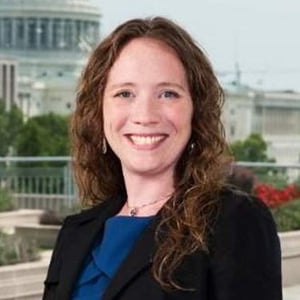
Partner, Luther Strange & Associates
Annie Donaldson Talley is Partner at Luther Strange and Associates. She recently departed the White House after serving as Deputy Assistant to the President and Deputy Counsel to the President. Over the past four years, she provided outside counsel to the Donald J. Trump for President campaign; helped stand up and manage the White House Counsel’s Office; interfaced with agencies across the federal government; and advised the President of the United States, White House Counsel, Chief of Staff and other senior staff across the Executive Office of the President on a broad range of issues from regulatory reform to executive nominations to the day-to-day issues facing the Administration.
Prior to her White House service, Annie Donaldson Talley counseled clients in the non-profit, for-profit, political, and government sectors, as well as high-profile individuals in private practice at Jones Day and Patton Boggs. She provided strategic counseling to clients structuring their affairs to ensure compliance with a web of state and federal laws and represented clients in complex, multi-faceted investigations, leading teams navigating issues of intense public scrutiny.
Annie Donaldson Talley is also a veteran of three presidential campaigns and served in state government. She holds a B.A., summa cum laude, from the University of Alabama and a J.D. from Harvard Law School, where she served on the Harvard Law Review. She lives in Montgomery, Alabama with her husband, Brett.
Professor of Law and Faculty Director for the Georgetown Center for the Constitution, Georgetown University Law Center
Stephanie Barclay is a Professor of Law at Georgetown Law School, and the Faculty Director of the Georgetown Center for the Constitution. Her research focuses on the role our different democratic institutions play in protecting minority rights, particularly at the intersection of free speech and religious exercise. Barclay‘s work is published or is forthcoming in leading journals such as the Harvard Law Review, the Chicago Law Review, the University of Pennsylvania Law Review, and the Yale Law Journal Forum. One of her articles was also selected for the 2020 Stanford/Harvard/Yale Junior Faculty Forum. Her work has been featured in many media outlets, including The New York Times, The Wall Street Journal, The Washington Post, USA Today, Bloomberg BNA, The Hill, and Law 360. And her work has also been cited by the U.S. Supreme Court.
Prior to joining Georgetown, Barclay was twice voted Professor of the Year. Barclay has also litigated constitutional cases at both the trial and appellate level, including before the U.S. Supreme Court. Barclay served as a law clerk to Judge N. Randy Smith on the U.S. Court of Appeals for the Ninth Circuit, and to Justice Neil M. Gorsuch of the U.S. Supreme Court.
Barclay is a Faculty Affiliate at the Constitutional Law Center at Stanford Law School; and she is a Nootbaar Fellow at the Nootbaar Institute on Law, Religion, and Ethics at Pepperdine University. She currently serves as the Chair for the AALS Law and Religion Section and as a Member of the Executive Committee for the AALS Constitutional Law Section. She graduated summa cum laude from BYU Law School, where she was elected to the Order of the Coif. She is completing a Ph.D. in Law at Oxford University as a Clarendon Scholar and a Tang Scholar.
President, JCN
Carrie Campbell Severino is the president of the JCN, and co-author with Mollie Hemingway of the bestselling book Justice on Trial: The Kavanaugh Confirmation and the Future of the Court. As a go-to expert on the confirmation process, Mrs. Severino has been extensively quoted in the media. She regularly appears on television, including FOX, CNN, MSNBC, C-SPAN, and ABC’s This Week.
Severino writes and speaks on a wide range of judicial issues, including the constitutional limits on government, the federal nomination process, and state judicial selection. She has testified before Congress on constitutional questions and briefed Senators on judicial nominations, and regularly files briefs in high-profile Supreme Court cases. She was a law clerk to Supreme Court Justice Clarence Thomas and to Judge David B. Sentelle of the U.S. Court of Appeals for the D.C. Circuit, and is a graduate of Harvard Law School (J.D.), Duke University (B.A., Biology), and Michigan State University (M.A., Linguistics).
Partner, Luther Strange & Associates
Annie Donaldson Talley is Partner at Luther Strange and Associates. She recently departed the White House after serving as Deputy Assistant to the President and Deputy Counsel to the President. Over the past four years, she provided outside counsel to the Donald J. Trump for President campaign; helped stand up and manage the White House Counsel’s Office; interfaced with agencies across the federal government; and advised the President of the United States, White House Counsel, Chief of Staff and other senior staff across the Executive Office of the President on a broad range of issues from regulatory reform to executive nominations to the day-to-day issues facing the Administration.
Prior to her White House service, Annie Donaldson Talley counseled clients in the non-profit, for-profit, political, and government sectors, as well as high-profile individuals in private practice at Jones Day and Patton Boggs. She provided strategic counseling to clients structuring their affairs to ensure compliance with a web of state and federal laws and represented clients in complex, multi-faceted investigations, leading teams navigating issues of intense public scrutiny.
Annie Donaldson Talley is also a veteran of three presidential campaigns and served in state government. She holds a B.A., summa cum laude, from the University of Alabama and a J.D. from Harvard Law School, where she served on the Harvard Law Review. She lives in Montgomery, Alabama with her husband, Brett.
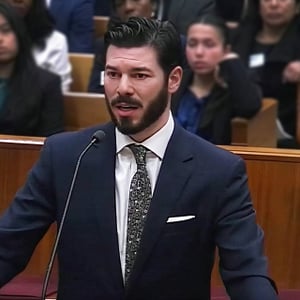
Office of the Florida Attorney General
JEFFREY DESOUSA served as the Acting Solicitor General in the Florida Attorney General’s Office, where he focused on criminal appeals and constitutional litigation, primarily in the United States and Florida Supreme Courts, the Eleventh Circuit Court of Appeal, and the Florida district courts. He is a member of the Florida Bar’s Appellate Court Rules Committee and the First District Appellate American Inn of Court. After graduating with honors from Georgetown Law, Jeffrey served as an appellate attorney for the Miami-Dade Public Defender’s Office. He has worked on hundreds of appellate cases and presented oral argument in approximately 70, including 18 in the Florida Supreme Court.
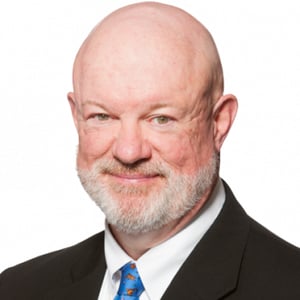
Senior Legal Fellow, the Meese Institute for the Rule of Law, Advancing American Freedom
Paul J. Larkin is a Senior Legal Fellow in the Meese Institute for the Rule of Law at Advancing American Freedom. Paul has held various positions in the federal and state governments throughout his career, such as being an attorney in the Organized Crime and Racketeering Section of the Criminal Division at the U.S. Department of Justice, an Assistant to the Solicitor General in the Office of the Solicitor General at the U.S. Department of Justice, Special Agent-in-Charge and Acting Director of the Criminal Investigation Division at the Environmental Protection Agency, and a member of the Parole Abolition and Sentencing Reform Commission and of the Juvenile Justice Reform Commission in the Office of Virginia Governor George Allen.
He has also worked at Verizon Communications and two law firms in Washington, D.C. His current research is principally in the fields of drug policy, criminal justice policy, and administrative law and policy. He has published numerous articles in law and public policy journals, both in print and online.
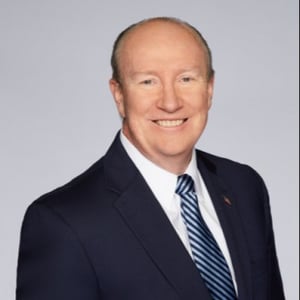
Senior Fellow, National Review
Bestselling author Andrew C. McCarthy is a contributing editor at National Review, a senior fellow at National Review Institute, and a Fox News contributor. He is a former Chief Assistant United States Attorney in the Southern District of New York and led the terrorism prosecution against the “Blind Sheikh” (Omar Abdel Rahman) and eleven other jihadists for conducting a war of urban terrorism against the United States that included the 1993 World Trade Center bombing and a plot to bomb New York City landmarks. During is 20-year career as a prosecutor, he received numerous honors, including the Justice Department’s highest awards. Andy speaks and writes widely on law and national security, radical Islam, politics, and culture. He has testified before Congress as an expert on issues of constitutional law, counterterrorism, and law-enforcement. He is a columnist for The Hill, and his essays and book reviews appear frequently at The New Criterion. His most recent New York Times bestselling book is Ball of Collusion (Encounter Books, 2019), about the Russiagate controversy (an updated version was published in 2020). His other books include Willful Blindness (2008), The Grand Jihad (2010), Spring Fever: The Illusion of Islamic Democracy (2012), and Faithless Execution (2014). He has also written several pamphlets in the Broadside series published by Encounter Books, most recently Islam and Free Speech (2015).
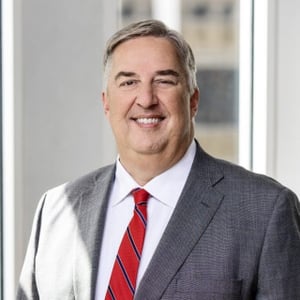
Member, Ifrah Law
After 27 years as a prosecutor, James (“Jim”) Trusty brings to Ifrah Law extensive experience in complex, multi-district white collar litigation, especially in matters involving RICO, The Computer Fraud and Abuse Act, and The Money Laundering Control Act of 1986.
Jim has represented a wide variety of individuals and corporations in the white-collar space. He regularly represents professional athletes, both criminally and civilly, and during 2022 and 2023 he represented President Trump during pre-indictment litigation relating to the Mar-a-Lago and January 6 cases.
Prior to joining Ifrah Law, Jim had a long career in public service, most recently as Chief of the Organized Crime Section at the United States Department of Justice. For seven years, Jim was ultimately responsible for investigating and prosecuting regional, national, and international cases, supervising significant pleadings, and providing strategic and tactical guidance in investigations and multi-defendant trials. In addition to running the RICO Review Unit, which reviewed and approved all criminal RICO cases brought by federal prosecutors, he also was in charge of establishing and promoting policies focused on immigration reform, firearms trafficking, proposed Congressional testimony for DOJ officials, and internet gambling. Significant and sensitive matters on which he worked include the post-conviction review of the Alaska corruption case related to U.S. v. Theodore Stevens and the investigation into allegations of misconduct by a sitting U.S. Attorney and one of her subordinates.
Prior to his work at DOJ, Jim acted as Assistant U.S. Attorney in Greenbelt, Maryland, where he investigated and prosecuted a wide variety of white-collar and other criminal cases, including The Washington area Sniper investigation. He also prosecuted three death penalty cases and was a member of the Attorney General’s Capital Review Committee, responsible for assessing capital-eligible cases such as the Boston Marathon Bomber and the Charleston Church massacre.
In 2018, Jim was appointed by the Governor of Maryland to serve on The Task Force to Study Maryland’s Criminal Gang Statutes. The Task Force assessed the efficacy of existing state laws as they apply to gang-related criminal activity in the state and presented its findings and recommendations to the Governor.

Clearing the Air: Recent Trump Administration Reforms to Environmental Criminal Enforcement
John Irving, Granta Nakayama, Justin Savage
With the growth of the administrative state over the last half-century, an equal expansion has...
Courthouse Steps Decision: Louisiana v. Callais
Bradley A. Benbrook, Michael R. Dimino
In Louisiana v. Callais, the Supreme Court struck down Louisiana's congressional map, holding that...
Courthouse Steps Decision: Louisiana v. Callais
Bradley A. Benbrook, Michael R. Dimino
In Louisiana v. Callais, the Supreme Court struck down Louisiana's congressional map, holding that...
Courthouse Steps Decision: First Choice Women's Resource Centers v. Davenport
Teresa Stanton Collett, Casey Mattox
In First Choice Women’s Resource Centers, Inc. v. Davenport, the New Jersey Attorney General, Matthew...
Courthouse Steps Decision: First Choice Women's Resource Centers v. Davenport
Teresa Stanton Collett, Casey Mattox
In First Choice Women’s Resource Centers, Inc. v. Davenport, the New Jersey Attorney General, Matthew...
Is the FDA Trying to Ban Direct-to-Consumer Drug Ads?
Paul Avelar, Jeff Stier, Dan Troy
The Trump Administration has been exploring new ways to tighten requirements for direct-to-consumer advertisements for...
Is the FDA Trying to Ban Direct-to-Consumer Drug Ads?
Paul Avelar, Jeff Stier, Dan Troy
The Trump Administration has been exploring new ways to tighten requirements for direct-to-consumer advertisements for...
From Chambers to the Front Page: Supreme Court Leaks and Judicial Integrity
Stephanie Barclay, Carrie Campbell Severino, Annie Donaldson Talley
What happens when confidential Supreme Court deliberations make their way into the press—most recently through...
From Chambers to the Front Page: Supreme Court Leaks and Judicial Integrity
Stephanie Barclay, Carrie Campbell Severino, Annie Donaldson Talley
What happens when confidential Supreme Court deliberations make their way into the press—most recently through...
What Did the Founders Think of the President’s Pardon Power?
Jeffrey DeSousa, Paul James Larkin, Andrew McCarthy, James Trusty
In this Federalist Society America250 series, experts analyze modern legal and policy debates through the...