
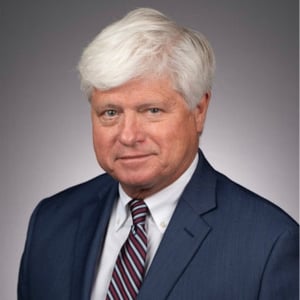
Immigration Law and Policy Fellow, Cornell Law School
Randel Johnson has worked on employment and immigration law and policy issues for over twenty-five years, bringing a broad perspective from working in the executive agencies, on Capitol Hill, and in the private sector. Deeply involved in past efforts on comprehensive immigration reform, including testifying in both the U.S. House of Representatives and the U.S. Senate, his experience includes working as the senior vice president at the U.S. Chamber of Commerce, labor counsel to the House Education and Labor Committee, and special assistant to the solicitor of labor at the U.S. Department of Labor. He was also a partner at the law firm of Seyfarth Shaw and most recently a judge on the Administrative Review Board at the Labor Department.
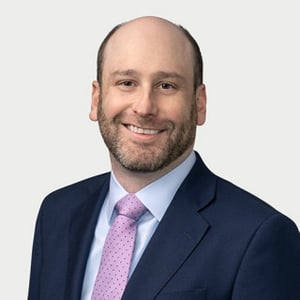
Partner, Gibson, Dunn & Crutcher
Andrew Kilberg is a partner in Gibson, Dunn & Crutcher’s Washington, D.C. office, where he practices in the firm’s litigation department. A member of the firm’s Labor and Employment, Administrative and Regulatory, and Appellate and Constitutional Law practice groups, Andrew has significant experience challenging onerous federal regulations, advising on regulatory proposals, and defending agency enforcement actions and investigations. He has represented clients in federal district and appellate courts and before the U.S. Supreme Court, as well as before various agencies, authoring dozens of briefs, comment letters, and other submissions. His matters have covered wage and hour, ERISA, occupational safety and health, anti-discrimination, whistleblower, and labor relations issues. In addition to his labor and employment expertise, Andrew in 2019 was named a “Rising Star” in Telecom by Law360.
Between 2019 and 2021, Andrew served as Counselor to Secretary Eugene Scalia at the United States Department of Labor. In that role, he advised the Secretary and Deputy Secretary on a wide range of matters and led teams on important regulatory and other projects for the Office of the Secretary, including matters concerning environmental, social, and governance investing, proxy voting, the U.S.-Mexico-Canada Agreement, independent contractor status, apprenticeships, religious accommodation, evidentiary standards and procedures for non-discrimination enforcement actions, and the coronavirus pandemic. He also was responsible for coordination with several other executive branch agencies.
In addition to his work in court, Andrew regularly authors comment letters submitted to federal agencies, including the Department of Labor, the Federal Trade Commission, and the Federal Communications Commission. He also has written position statements submitted to the National Labor Relations Board and the Equal Employment Opportunity Commission, provided extensive advice on federal and state vaccine-related rules and litigation, labor relations, anti-discrimination and anti-retaliation matters, and ERISA issues, and represented clients in agency investigations and audits.
Before joining Gibson Dunn, Andrew clerked for U.S. Supreme Court Justice Anthony M. Kennedy and Judge J. Harvie Wilkinson III of the U.S. Court of Appeals for the Fourth Circuit.
He received his law degree from the University of Virginia School of Law, where he was a member of the Order of the Coif and served as Articles Development Editor of the Virginia Law Review. He received an M. Phil. in Historical Studies from the University of Cambridge and was graduated magna cum laude with an A.B. in History from Princeton University.
Andrew is a member of the Virginia bar, and he is admitted to practice before the U.S. Supreme Court, U.S. Courts of Appeals for the Second, Third, Fourth, Fifth, Seventh, Eighth, Ninth, Eleventh, and D.C. Circuits, the U.S. District Court for the District of Columbia, the Supreme Court of Virginia, and the District of Columbia Court of Appeals
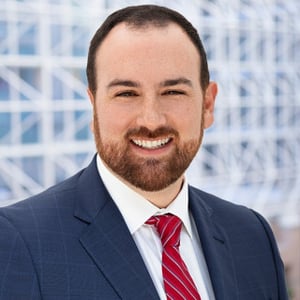
Deputy Solicitor General, Office of the Attorney General of Iowa
Patrick C. Valencia serves as Iowa’s Deputy Solicitor General in the Iowa Attorney General’s Office. In this role, he helps marshal Iowa’s appellate docket, and briefs and argues cases, before state and federal appellate courts, including the Iowa and U.S. Supreme Courts.
Before moving to Iowa, Patrick worked on appeals across all levels of state and federal courts, including the U.S. Supreme Court, as a senior associate in the Supreme Court and Appellate practice group at Hogan Lovells in Washington, D.C. Patrick has worked on cases involving a wide range of issues, including constitutional law, civil procedure, civil rights, employment law, and complex commercial litigation, across a variety of industries, including the automotive, energy, health care, and technology industries. Patrick has also served as appellate counsel in federal district courts, including on several antitrust cases.
Before Hogan Lovells, Patrick clerked for the Honorables Roger W. Titus and Paul W. Grimm of the U.S. District Court for the District of Maryland, and then for the Honorable Steven M. Colloton of the U.S. Court of Appeals for the Eighth Circuit.
Patrick graduated Order of the Coif with high honors from the George Washington University Law School. Patrick completed his undergraduate degree at the University of Notre Dame, where he studied political science and Irish history.
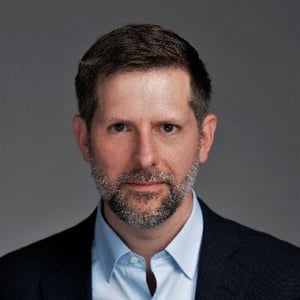
Head of AI Policy, Abundance Institute
Neil Chilson is the Head of AI Policy at the Abundance Institute. Prior to this position, he served as a Senior Research Fellow at the Center for Growth and Opportunity. Chilson is a lawyer, computer scientist, and author of the book “Getting Out of Control: Emergent Leadership in a Complex World.”
Chilson was previously the senior research fellow for Technology and Innovation at Stand Together, where he guided efforts to understand and promote the legal and cultural paradigms that best enable people to discover, innovate, and improve all our lives.
Before Stand Together, Chilson was the Chief Technologist at the Federal Trade Commission, where he focused on the economics of privacy and blockchain-related issues. Previously, he was an attorney advisor to Acting FTC Chairman Maureen K. Ohlhausen. In both roles he advised Chairman Ohlhausen and worked with staff on nearly every major technology-related case, report, workshop, or other FTC proceeding since January 2014. Neil joined the FTC from telecom firm Wilkinson Barker Knauer. Neil is frequently quoted by the press and his work has appeared in numerous news outlets, including The Wall Street Journal, The Washington Post, USAToday, and Newsweek. Neil has a J.D. from The George Washington Law School, a M.S. in computer science from University of Illinois, Urbana-Champaign, and a B.S. in computer science from Harding University.
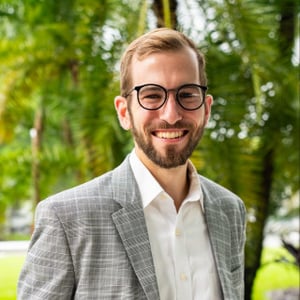
AI Innovation and Law Fellow, University of Texas School of Law
Kevin Frazier is an AI Innovation and Law Fellow with University of Texas School of Law.
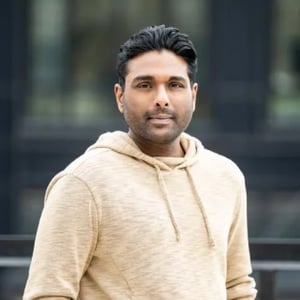
Senior Vice President, Americans for Responsible Innovation
Satya Thallam is Senior Vice President for Government of Government Affairs at Americans for Responsible Innovation, focused on AI policy issues. He is also Non-Resident Senior Fellow at the Foundation for American Innovation. He is a policy expert and advisor, having served in senior roles in the congressional and executive branches and as an executive at a biotechnology startup, and is frequently invited to testify before Congress and appear in media.
Previously, he was a senior policy official at the White House Office of Management and Budget (OMB), with direct oversight, review, and negotiation of all federal regulatory policymaking across over a dozen cabinet agencies. In this role, he advised the Director of OMB and fellow senior White House colleagues on regulatory policies and process. His time in government began in the U.S. Senate, at the Committee on Homeland Security and Governmental Affairs, where for nearly five years he was the Senate’s point person on regulatory reform, as well as the committee’s expert on areas running the breadth of the committee’s jurisdiction.
Satya has also spent many years in the think tank sector, leading programs primarily related to financial services policy, at both university-based and independent organizations. In this capacity, he authored policy reports, congressional testimonies, op-eds, and presentations, and built new research programs. Satya’s policy career began at the Goldwater Institute, the premier state policy-focused think tank, beginning as an intern and rising to a director-level role leading the organization’s fiscal policy program.
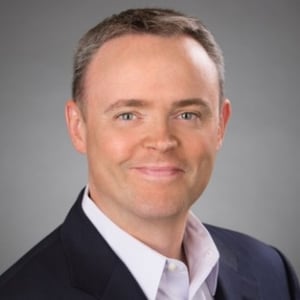
Senior Fellow, R Street Institute
Prior to R Street, Adam spent 12 years as a senior fellow at the Mercatus Center at George Mason University. Before the Mercatus Center, he served as the president of the Progress and Freedom Foundation. Adam has also worked for the Adam Smith Institute, the Heritage Foundation and the Cato Institute.
Adam has published 10 books on a wide range of topics, including online child safety, internet governance, intellectual property, telecommunications policy, media regulation and federalism.
In 2008, Adam received the Family Online Safety Institute’s “Award for Outstanding Achievement.”
Head of AI Policy, Abundance Institute
Neil Chilson is the Head of AI Policy at the Abundance Institute. Prior to this position, he served as a Senior Research Fellow at the Center for Growth and Opportunity. Chilson is a lawyer, computer scientist, and author of the book “Getting Out of Control: Emergent Leadership in a Complex World.”
Chilson was previously the senior research fellow for Technology and Innovation at Stand Together, where he guided efforts to understand and promote the legal and cultural paradigms that best enable people to discover, innovate, and improve all our lives.
Before Stand Together, Chilson was the Chief Technologist at the Federal Trade Commission, where he focused on the economics of privacy and blockchain-related issues. Previously, he was an attorney advisor to Acting FTC Chairman Maureen K. Ohlhausen. In both roles he advised Chairman Ohlhausen and worked with staff on nearly every major technology-related case, report, workshop, or other FTC proceeding since January 2014. Neil joined the FTC from telecom firm Wilkinson Barker Knauer. Neil is frequently quoted by the press and his work has appeared in numerous news outlets, including The Wall Street Journal, The Washington Post, USAToday, and Newsweek. Neil has a J.D. from The George Washington Law School, a M.S. in computer science from University of Illinois, Urbana-Champaign, and a B.S. in computer science from Harding University.
AI Innovation and Law Fellow, University of Texas School of Law
Kevin Frazier is an AI Innovation and Law Fellow with University of Texas School of Law.
Senior Vice President, Americans for Responsible Innovation
Satya Thallam is Senior Vice President for Government of Government Affairs at Americans for Responsible Innovation, focused on AI policy issues. He is also Non-Resident Senior Fellow at the Foundation for American Innovation. He is a policy expert and advisor, having served in senior roles in the congressional and executive branches and as an executive at a biotechnology startup, and is frequently invited to testify before Congress and appear in media.
Previously, he was a senior policy official at the White House Office of Management and Budget (OMB), with direct oversight, review, and negotiation of all federal regulatory policymaking across over a dozen cabinet agencies. In this role, he advised the Director of OMB and fellow senior White House colleagues on regulatory policies and process. His time in government began in the U.S. Senate, at the Committee on Homeland Security and Governmental Affairs, where for nearly five years he was the Senate’s point person on regulatory reform, as well as the committee’s expert on areas running the breadth of the committee’s jurisdiction.
Satya has also spent many years in the think tank sector, leading programs primarily related to financial services policy, at both university-based and independent organizations. In this capacity, he authored policy reports, congressional testimonies, op-eds, and presentations, and built new research programs. Satya’s policy career began at the Goldwater Institute, the premier state policy-focused think tank, beginning as an intern and rising to a director-level role leading the organization’s fiscal policy program.
Senior Fellow, R Street Institute
Prior to R Street, Adam spent 12 years as a senior fellow at the Mercatus Center at George Mason University. Before the Mercatus Center, he served as the president of the Progress and Freedom Foundation. Adam has also worked for the Adam Smith Institute, the Heritage Foundation and the Cato Institute.
Adam has published 10 books on a wide range of topics, including online child safety, internet governance, intellectual property, telecommunications policy, media regulation and federalism.
In 2008, Adam received the Family Online Safety Institute’s “Award for Outstanding Achievement.”
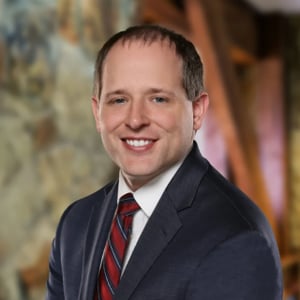
Counsel, First Liberty Institute
In February 2022, Ryan Gardner joined the First Liberty Institute as Counsel after spending over four years at large Dallas law firm handling complex commercial disputes at both before both trial and appellate courts. Before his time in private practice, Ryan worked in Washington D.C. as a law clerk to the Honorable Janice Rogers Brown of the U.S. Court of Appeals for the D.C. Circuit. Ryan graduated as Valedictorian from the Pepperdine University School of Law, where he served as the Lead Articles Editor for the Pepperdine Law Review and the President of the Pepperdine chapter of the Federalist Society. While in law school, Ryan also externed at the U.S. Court of Appeals for the Ninth Circuit for the Honorable Sandra Ikuta and worked in Pepperdine’s Ninth Circuit Clinic. Ryan received his bachelor’s degree in Criminal Justice with a minor in Psychology from Harding University, where he graduated summa cum laude. Ryan is a member of the Texas State Bar and is admitted to practice in various federal district and appellate courts.
WFFC Distinguished Chair, Spring Arbor University; Counselor of the Ministry & President Emeritus, Salt & Light Global; Distinguished Professor Emeritus, Western Michigan University Cooley Law School
Following distinguished service as a federal judge and tenured university professor, William Wagner dedicated his life to full-time ministry. Now holding the rank of Distinguished Professor Emeritus, he is the Founder and President Emeritus of Salt & Light Global. He currently holds the WFFC Distinguished Chair for Faith & Freedom at Spring Arbor University.
Seasoning the public dialog with Truth, Wagner fights to protect free expression, religious conscience, and good governance under the rule of law. A frequent speaker at world conferences, his writing is published in a number of articles, books, and other publications, including an Amazon national best seller (#1in its category). As lead amicus counsel in many matters before the United States Supreme Court, he authored briefs on behalf of various organizations. He also authored written testimony, evidence, and briefs in such forums as the Swedish Supreme Court, the U.S. Congress, and the U.K. Parliament. He has further addressed many executive, legislative, parliamentary, and judicial audiences throughout the world, and presented at various diplomatic forums including the United Nations Human Rights Council in Geneva.
As a Federal Judge, Wagner adjudicated cases arising under the Constitution and laws of the United States. Prior to his appointment on the federal bench, he served as the chief American diplomat for the Department of Justice at an American Embassy in Africa. There he led a diplomatic mission charged with strengthening good governance and the rule of law.
During his career in public service, he provided international assistance to the justice sector institutions of numerous countries on five continents. Professor Wagner also served as Senior Assistant United States Attorney, litigating hundreds of federal cases and serving as chief of appellate litigation for the Office of the United States Attorney. Professor Wagner served as legal counsel in the United States Senate and as chief counsel to the Senate Judiciary Committee of the Michigan legislature. Most recently he served as Senior Advisor for Global Criminal Justice at the Department of State.
Counsel, First Liberty Institute
In February 2022, Ryan Gardner joined the First Liberty Institute as Counsel after spending over four years at large Dallas law firm handling complex commercial disputes at both before both trial and appellate courts. Before his time in private practice, Ryan worked in Washington D.C. as a law clerk to the Honorable Janice Rogers Brown of the U.S. Court of Appeals for the D.C. Circuit. Ryan graduated as Valedictorian from the Pepperdine University School of Law, where he served as the Lead Articles Editor for the Pepperdine Law Review and the President of the Pepperdine chapter of the Federalist Society. While in law school, Ryan also externed at the U.S. Court of Appeals for the Ninth Circuit for the Honorable Sandra Ikuta and worked in Pepperdine’s Ninth Circuit Clinic. Ryan received his bachelor’s degree in Criminal Justice with a minor in Psychology from Harding University, where he graduated summa cum laude. Ryan is a member of the Texas State Bar and is admitted to practice in various federal district and appellate courts.
WFFC Distinguished Chair, Spring Arbor University; Counselor of the Ministry & President Emeritus, Salt & Light Global; Distinguished Professor Emeritus, Western Michigan University Cooley Law School
Following distinguished service as a federal judge and tenured university professor, William Wagner dedicated his life to full-time ministry. Now holding the rank of Distinguished Professor Emeritus, he is the Founder and President Emeritus of Salt & Light Global. He currently holds the WFFC Distinguished Chair for Faith & Freedom at Spring Arbor University.
Seasoning the public dialog with Truth, Wagner fights to protect free expression, religious conscience, and good governance under the rule of law. A frequent speaker at world conferences, his writing is published in a number of articles, books, and other publications, including an Amazon national best seller (#1in its category). As lead amicus counsel in many matters before the United States Supreme Court, he authored briefs on behalf of various organizations. He also authored written testimony, evidence, and briefs in such forums as the Swedish Supreme Court, the U.S. Congress, and the U.K. Parliament. He has further addressed many executive, legislative, parliamentary, and judicial audiences throughout the world, and presented at various diplomatic forums including the United Nations Human Rights Council in Geneva.
As a Federal Judge, Wagner adjudicated cases arising under the Constitution and laws of the United States. Prior to his appointment on the federal bench, he served as the chief American diplomat for the Department of Justice at an American Embassy in Africa. There he led a diplomatic mission charged with strengthening good governance and the rule of law.
During his career in public service, he provided international assistance to the justice sector institutions of numerous countries on five continents. Professor Wagner also served as Senior Assistant United States Attorney, litigating hundreds of federal cases and serving as chief of appellate litigation for the Office of the United States Attorney. Professor Wagner served as legal counsel in the United States Senate and as chief counsel to the Senate Judiciary Committee of the Michigan legislature. Most recently he served as Senior Advisor for Global Criminal Justice at the Department of State.

Explainer Episode 80 - The Rule of Law in Immigration and other Enforcement Proceedings, Business Challenges, and the Equal Access to Justice Act
Randel K. Johnson, Andrew G. I. Kilberg
RTP's Fourth Branch Podcast
In this episode, Randel K. Johnson and Andrew Kilberg discuss the often ephemeral nature of...
Iowa’s Constitution Provides a Legislative Privilege Despite Lacking a Speech or Debate Clause
Patrick C. Valencia
A civil rights organization, the League of United Latin American Citizens of Iowa (LULAC),...
AI Policy In President Trump's Second Term
Neil Chilson, Kevin Frazier, Satya Thallam, Adam Thierer
There have been significant changes in federal AI policy over the course of the first...
AI Policy In President Trump's Second Term
Neil Chilson, Kevin Frazier, Satya Thallam, Adam Thierer
There have been significant changes in federal AI policy over the course of the first...
Topics
Punish the Perpetrator, Not the Victim: How to Deal With Chinese Hacking
This month, the Biden Administration revealed that Chinese state actors have infiltrated at least since...
Topics
The IRA’s Drug Price Caps Threaten Patient Health by Disincentivizing New Research
The Drug Price Negotiation Program passed—as part of the Inflation Reduction Act (IRA)—along partisan lines...
Topics
Seven County Infrastructure Coalition v. Eagle County: What’s at Stake in the Supreme Court’s First Major NEPA Case in 20 Years
On Tuesday, the Supreme Court hears Seven County Infrastructure Coalition v. Eagle County, a case...
Topics
A Tale of Two Constitutions: How Comparative Constitutional Law Can Help Us Understand Different Legal Cultures
The Importance of Comparison Comparative constitutional law is an important tool in understanding differences between...
Litigation Update: Bethesda University v. Cho
Ryan Gardner, William Robert Wagner
Bethesda University, a private Christian university founded around Pentecostal theology, faced an internal leadership dispute,...
Litigation Update: Bethesda University v. Cho
Ryan Gardner, William Robert Wagner
Bethesda University, a private Christian university founded around Pentecostal theology, faced an internal leadership dispute,...