
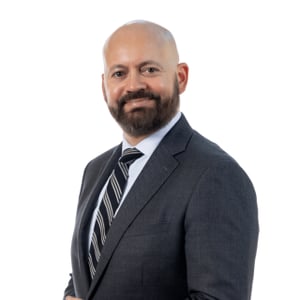
Milton R. Underwood Chair in Free Enterprise, Vanderbilt University Law School
Brian Fitzpatrick is the Milton R. Underwood Chair in Free Enterprise and Professor of Law at Vanderbilt Law School, where his research focuses on class action litigation, federal courts, judicial selection, and constitutional law. He is best known for his empirical studies of class action settlements as well as his book The Conservative Case for Class Actions (University of Chicago Press, 2019). Professor Fitzpatrick joined Vanderbilt's law faculty in 2007 after serving as the John M. Olin Fellow at New York University School of Law. He graduated first in his class from Harvard Law School and went on to clerk for Judge Diarmuid O'Scannlain on the U.S. Court of Appeals for the Ninth Circuit and Justice Antonin Scalia on the U.S. Supreme Court. After his clerkships, Professor Fitzpatrick practiced commercial and appellate litigation for several years at Sidley Austin in Washington, D.C., and served as Special Counsel for Supreme Court Nominations to U.S. Senator John Cornyn. Before earning his law degree, Fitzpatrick graduated summa cum laude with a bachelor's of science in chemical engineering from the University of Notre Dame. He has received the Hall-Hartman Outstanding Professor Award, which recognizes excellence in classroom teaching, for his Civil Procedure and Federal Courts courses.
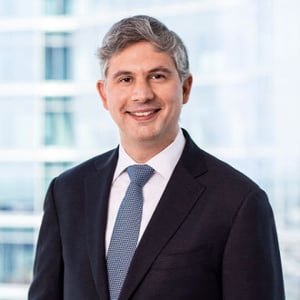
Partner, Keller Postman
Ashley Keller is one of the founding Partners of Keller Postman LLC. An experienced trial and appellate lawyer, Ashley helps set strategic direction across virtually all of the firm’s cases. He represents clients in a wide variety of practice areas and types of claims, including product-liability, antitrust, class action, and arbitration matters.
Ashley is one of the leaders of Keller Postman’s national product-liability practice. He leverages his ability to detangle complex concepts and develop novel legal theories to support individual client matters and as counsel on numerous product-liability multidistrict litigation matters. He chairs the plaintiffs’ Law & Briefing Committee in the Zantac (Ranitidine) Product Liability MDL in the U.S. District Court for the Southern District of Florida.
Ashley also litigates complex antitrust and class action matters. Among his notable cases, Ashley represents numerous States in antitrust litigation against Google for monopolizing products and services used by advertisers and publishers in online-display advertising.
Ashley also has played a central role in developing the firm’s pioneering arbitration practice, which includes pursuing individual arbitrations for clients whose claims are subject to arbitration clauses with class-action waivers. In part through managing the complexity of pursuing these individual claims simultaneously, the firm has secured millions in settlements for more than 500,000 employees and consumers.
Before launching Keller Postman, Ashley co-founded the litigation finance firm Gerchen Keller Capital, which grew to more than $1.3 billion in assets under management and was the world’s largest private investment manager focused on legal and regulatory risk prior to being acquired by Burford Capital in 2016.
Previously, Ashley was a partner at Bartlit Beck Herman Palenchar & Scott LLP, The American Lawyer’s litigation boutique of the year. While there, he handled various trial and appellate matters involving multi-billion-dollar securities and patent cases, contract disputes, mass torts, and class actions.
Ashley also worked as an analyst at Alyeska Investment Group, a Chicago-based market-neutral hedge fund, where he focused on investments in companies facing litigation and other complicated regulatory matters.
Ashley was named a 2021 Plaintiffs’ Lawyers Trailblazer by the National Law Journal. He is also listed on Lawdragon’s 500 Leading Lawyers in America, Lawdragon’s 500 Leading Plaintiff Consumer Lawyers, Lawdragon’s Leading Plaintiff Financial Lawyers, National Trial Lawyers’ Top 100, and Illinois Super Lawyers.
Ashley was a law clerk for Justice Anthony M. Kennedy at the Supreme Court of the United States and Judge Richard Posner at the U.S. Court of Appeals for the Seventh Circuit. He graduated magna cum laude from Harvard College, received his M.B.A. from the University of Chicago Booth School of Business and received his J.D. from the University of Chicago Law School, where he graduated first in his class.
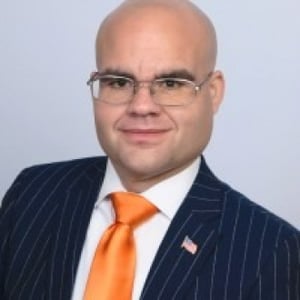
Counsel, Keller Postman LLC
John Masslon is a Counsel at Keller Postman LLC, where he works on a broad range of disputes, including products liability and consumer protections suits. He helps develop legal strategies, writes briefs, and presents argument on legal questions. Before joining Keller Postman, John was senior litigation counsel at Washington Legal Foundation. There, he wrote about 100 amicus briefs supporting free enterprise in courts across the country. He filed the first amicus brief in the Supreme Court supporting the challenge to OSHA’s vaccine mandate. He also filed a brief supporting ending the in-house proceedings at the Securities and Exchange Commission. Previously, John served as assistant solicitor general in a state attorney general’s office. There, he was first chair in a federal trial challenging a state election law that was ultimately upheld. He also wrote the briefs that convinced the state supreme court to uphold the State’s right-to-work statute.
John obtained his B.S. in economics with a minor in mathematical sciences from Clemson University. He then received his J.D. and LL.M. in Taxation from Georgetown University Law Center. After law school, John worked for Judge Arthur J. Schwab of the United States District Court for the Western District of Pennsylvania and clerked for Judge Judith Ference Olson of the Superior Court of Pennsylvania.
Milton R. Underwood Chair in Free Enterprise, Vanderbilt University Law School
Brian Fitzpatrick is the Milton R. Underwood Chair in Free Enterprise and Professor of Law at Vanderbilt Law School, where his research focuses on class action litigation, federal courts, judicial selection, and constitutional law. He is best known for his empirical studies of class action settlements as well as his book The Conservative Case for Class Actions (University of Chicago Press, 2019). Professor Fitzpatrick joined Vanderbilt's law faculty in 2007 after serving as the John M. Olin Fellow at New York University School of Law. He graduated first in his class from Harvard Law School and went on to clerk for Judge Diarmuid O'Scannlain on the U.S. Court of Appeals for the Ninth Circuit and Justice Antonin Scalia on the U.S. Supreme Court. After his clerkships, Professor Fitzpatrick practiced commercial and appellate litigation for several years at Sidley Austin in Washington, D.C., and served as Special Counsel for Supreme Court Nominations to U.S. Senator John Cornyn. Before earning his law degree, Fitzpatrick graduated summa cum laude with a bachelor's of science in chemical engineering from the University of Notre Dame. He has received the Hall-Hartman Outstanding Professor Award, which recognizes excellence in classroom teaching, for his Civil Procedure and Federal Courts courses.
Partner, Keller Postman
Ashley Keller is one of the founding Partners of Keller Postman LLC. An experienced trial and appellate lawyer, Ashley helps set strategic direction across virtually all of the firm’s cases. He represents clients in a wide variety of practice areas and types of claims, including product-liability, antitrust, class action, and arbitration matters.
Ashley is one of the leaders of Keller Postman’s national product-liability practice. He leverages his ability to detangle complex concepts and develop novel legal theories to support individual client matters and as counsel on numerous product-liability multidistrict litigation matters. He chairs the plaintiffs’ Law & Briefing Committee in the Zantac (Ranitidine) Product Liability MDL in the U.S. District Court for the Southern District of Florida.
Ashley also litigates complex antitrust and class action matters. Among his notable cases, Ashley represents numerous States in antitrust litigation against Google for monopolizing products and services used by advertisers and publishers in online-display advertising.
Ashley also has played a central role in developing the firm’s pioneering arbitration practice, which includes pursuing individual arbitrations for clients whose claims are subject to arbitration clauses with class-action waivers. In part through managing the complexity of pursuing these individual claims simultaneously, the firm has secured millions in settlements for more than 500,000 employees and consumers.
Before launching Keller Postman, Ashley co-founded the litigation finance firm Gerchen Keller Capital, which grew to more than $1.3 billion in assets under management and was the world’s largest private investment manager focused on legal and regulatory risk prior to being acquired by Burford Capital in 2016.
Previously, Ashley was a partner at Bartlit Beck Herman Palenchar & Scott LLP, The American Lawyer’s litigation boutique of the year. While there, he handled various trial and appellate matters involving multi-billion-dollar securities and patent cases, contract disputes, mass torts, and class actions.
Ashley also worked as an analyst at Alyeska Investment Group, a Chicago-based market-neutral hedge fund, where he focused on investments in companies facing litigation and other complicated regulatory matters.
Ashley was named a 2021 Plaintiffs’ Lawyers Trailblazer by the National Law Journal. He is also listed on Lawdragon’s 500 Leading Lawyers in America, Lawdragon’s 500 Leading Plaintiff Consumer Lawyers, Lawdragon’s Leading Plaintiff Financial Lawyers, National Trial Lawyers’ Top 100, and Illinois Super Lawyers.
Ashley was a law clerk for Justice Anthony M. Kennedy at the Supreme Court of the United States and Judge Richard Posner at the U.S. Court of Appeals for the Seventh Circuit. He graduated magna cum laude from Harvard College, received his M.B.A. from the University of Chicago Booth School of Business and received his J.D. from the University of Chicago Law School, where he graduated first in his class.
Counsel, Keller Postman LLC
John Masslon is a Counsel at Keller Postman LLC, where he works on a broad range of disputes, including products liability and consumer protections suits. He helps develop legal strategies, writes briefs, and presents argument on legal questions. Before joining Keller Postman, John was senior litigation counsel at Washington Legal Foundation. There, he wrote about 100 amicus briefs supporting free enterprise in courts across the country. He filed the first amicus brief in the Supreme Court supporting the challenge to OSHA’s vaccine mandate. He also filed a brief supporting ending the in-house proceedings at the Securities and Exchange Commission. Previously, John served as assistant solicitor general in a state attorney general’s office. There, he was first chair in a federal trial challenging a state election law that was ultimately upheld. He also wrote the briefs that convinced the state supreme court to uphold the State’s right-to-work statute.
John obtained his B.S. in economics with a minor in mathematical sciences from Clemson University. He then received his J.D. and LL.M. in Taxation from Georgetown University Law Center. After law school, John worked for Judge Arthur J. Schwab of the United States District Court for the Western District of Pennsylvania and clerked for Judge Judith Ference Olson of the Superior Court of Pennsylvania.
Milton R. Underwood Chair in Free Enterprise, Vanderbilt University Law School
Brian Fitzpatrick is the Milton R. Underwood Chair in Free Enterprise and Professor of Law at Vanderbilt Law School, where his research focuses on class action litigation, federal courts, judicial selection, and constitutional law. He is best known for his empirical studies of class action settlements as well as his book The Conservative Case for Class Actions (University of Chicago Press, 2019). Professor Fitzpatrick joined Vanderbilt's law faculty in 2007 after serving as the John M. Olin Fellow at New York University School of Law. He graduated first in his class from Harvard Law School and went on to clerk for Judge Diarmuid O'Scannlain on the U.S. Court of Appeals for the Ninth Circuit and Justice Antonin Scalia on the U.S. Supreme Court. After his clerkships, Professor Fitzpatrick practiced commercial and appellate litigation for several years at Sidley Austin in Washington, D.C., and served as Special Counsel for Supreme Court Nominations to U.S. Senator John Cornyn. Before earning his law degree, Fitzpatrick graduated summa cum laude with a bachelor's of science in chemical engineering from the University of Notre Dame. He has received the Hall-Hartman Outstanding Professor Award, which recognizes excellence in classroom teaching, for his Civil Procedure and Federal Courts courses.
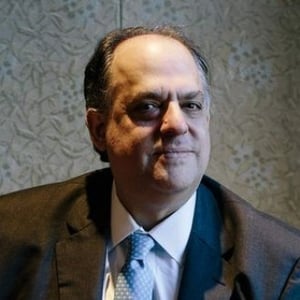
Director of Litigation and Senior Attorney, Hamilton Lincoln Law Institute
Theodore H. Frank is director at the Hamilton Lincoln Law Institute and the Center for Class Action Fairness. Frank founded and ran CCAF as a non-profit, public interest law firm in 2009.
Frank has won several landmark appeals and tens of millions of dollars for consumers and other plaintiffs through his class action work. Adam Liptak of The New York Times calls Frank “the leading critic of abusive class action settlements” and the American Lawyer Litigation Daily referred to him as “the indefatigable scourge of underwhelming class action settlements.”
Previously, Frank clerked for the Honorable Frank H. Easterbrook on the Seventh Circuit Court of Appeals, and was a litigator at firms in Washington and Los Angeles and a resident fellow at the American Enterprise Institute. Frank is a frequent public speaker and has testified before Congress multiple times on legal issues. He has been profiled by The Wall Street Journal, Forbes, GQ, and the ABA Journal, among other publications.
In 2008, Frank was elected to membership in the American Law Institute. He also serves on the Executive Committee of the Federalist Society Litigation Practice Group. Frank graduated from The University of Chicago Law School in 1994 with high honors and as a member of the Order of the Coif and the Law Review. He is a member of the District of Columbia Bar and the state bars of California and Illinois.
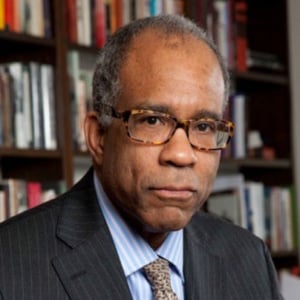
Michael R. Klein Professor of Law, Harvard Law School
Randall Kennedy is Michael R. Klein Professor at Harvard Law School where he teaches courses on contracts, criminal law, and the regulation of race relations. He was born in Columbia, South Carolina. For his education he attended St. Albans School, Princeton University, Oxford University, and Yale Law School. He served as a law clerk for Judge J. Skelly Wright of the United States Court of Appeals and for Justice Thurgood Marshall of the United States Supreme Court. He is a member of the bar of the District of Columbia and the Supreme Court of the United States. Awarded the 1998 Robert F. Kennedy Book Award for Race, Crime, and the Law, Mr Kennedy writes for a wide range of scholarly and general interest publications. His other books are For Discrimination: Race, Affirmative Action, and the Law (2013), The Persistence of the Color Line: Racial Politics and the Obama Presidency (2011), Sellout: The Politics of Racial Betrayal (2008), Interracial Intimacies: Sex, Marriage, Identity, and Adoption (2003), and Nigger: The Strange Career of a Troublesome Word (2002). A member of the American Law Institute, the American Academy of Arts and Sciences, and the American Philosophical Association, Mr. Kennedy is also a Trustee emeritus of Princeton University.
Milton R. Underwood Chair in Free Enterprise, Vanderbilt University Law School
Brian Fitzpatrick is the Milton R. Underwood Chair in Free Enterprise and Professor of Law at Vanderbilt Law School, where his research focuses on class action litigation, federal courts, judicial selection, and constitutional law. He is best known for his empirical studies of class action settlements as well as his book The Conservative Case for Class Actions (University of Chicago Press, 2019). Professor Fitzpatrick joined Vanderbilt's law faculty in 2007 after serving as the John M. Olin Fellow at New York University School of Law. He graduated first in his class from Harvard Law School and went on to clerk for Judge Diarmuid O'Scannlain on the U.S. Court of Appeals for the Ninth Circuit and Justice Antonin Scalia on the U.S. Supreme Court. After his clerkships, Professor Fitzpatrick practiced commercial and appellate litigation for several years at Sidley Austin in Washington, D.C., and served as Special Counsel for Supreme Court Nominations to U.S. Senator John Cornyn. Before earning his law degree, Fitzpatrick graduated summa cum laude with a bachelor's of science in chemical engineering from the University of Notre Dame. He has received the Hall-Hartman Outstanding Professor Award, which recognizes excellence in classroom teaching, for his Civil Procedure and Federal Courts courses.
Director of Litigation and Senior Attorney, Hamilton Lincoln Law Institute
Theodore H. Frank is director at the Hamilton Lincoln Law Institute and the Center for Class Action Fairness. Frank founded and ran CCAF as a non-profit, public interest law firm in 2009.
Frank has won several landmark appeals and tens of millions of dollars for consumers and other plaintiffs through his class action work. Adam Liptak of The New York Times calls Frank “the leading critic of abusive class action settlements” and the American Lawyer Litigation Daily referred to him as “the indefatigable scourge of underwhelming class action settlements.”
Previously, Frank clerked for the Honorable Frank H. Easterbrook on the Seventh Circuit Court of Appeals, and was a litigator at firms in Washington and Los Angeles and a resident fellow at the American Enterprise Institute. Frank is a frequent public speaker and has testified before Congress multiple times on legal issues. He has been profiled by The Wall Street Journal, Forbes, GQ, and the ABA Journal, among other publications.
In 2008, Frank was elected to membership in the American Law Institute. He also serves on the Executive Committee of the Federalist Society Litigation Practice Group. Frank graduated from The University of Chicago Law School in 1994 with high honors and as a member of the Order of the Coif and the Law Review. He is a member of the District of Columbia Bar and the state bars of California and Illinois.
Michael R. Klein Professor of Law, Harvard Law School
Randall Kennedy is Michael R. Klein Professor at Harvard Law School where he teaches courses on contracts, criminal law, and the regulation of race relations. He was born in Columbia, South Carolina. For his education he attended St. Albans School, Princeton University, Oxford University, and Yale Law School. He served as a law clerk for Judge J. Skelly Wright of the United States Court of Appeals and for Justice Thurgood Marshall of the United States Supreme Court. He is a member of the bar of the District of Columbia and the Supreme Court of the United States. Awarded the 1998 Robert F. Kennedy Book Award for Race, Crime, and the Law, Mr Kennedy writes for a wide range of scholarly and general interest publications. His other books are For Discrimination: Race, Affirmative Action, and the Law (2013), The Persistence of the Color Line: Racial Politics and the Obama Presidency (2011), Sellout: The Politics of Racial Betrayal (2008), Interracial Intimacies: Sex, Marriage, Identity, and Adoption (2003), and Nigger: The Strange Career of a Troublesome Word (2002). A member of the American Law Institute, the American Academy of Arts and Sciences, and the American Philosophical Association, Mr. Kennedy is also a Trustee emeritus of Princeton University.
Milton R. Underwood Chair in Free Enterprise, Vanderbilt University Law School
Brian Fitzpatrick is the Milton R. Underwood Chair in Free Enterprise and Professor of Law at Vanderbilt Law School, where his research focuses on class action litigation, federal courts, judicial selection, and constitutional law. He is best known for his empirical studies of class action settlements as well as his book The Conservative Case for Class Actions (University of Chicago Press, 2019). Professor Fitzpatrick joined Vanderbilt's law faculty in 2007 after serving as the John M. Olin Fellow at New York University School of Law. He graduated first in his class from Harvard Law School and went on to clerk for Judge Diarmuid O'Scannlain on the U.S. Court of Appeals for the Ninth Circuit and Justice Antonin Scalia on the U.S. Supreme Court. After his clerkships, Professor Fitzpatrick practiced commercial and appellate litigation for several years at Sidley Austin in Washington, D.C., and served as Special Counsel for Supreme Court Nominations to U.S. Senator John Cornyn. Before earning his law degree, Fitzpatrick graduated summa cum laude with a bachelor's of science in chemical engineering from the University of Notre Dame. He has received the Hall-Hartman Outstanding Professor Award, which recognizes excellence in classroom teaching, for his Civil Procedure and Federal Courts courses.
Director of Litigation and Senior Attorney, Hamilton Lincoln Law Institute
Theodore H. Frank is director at the Hamilton Lincoln Law Institute and the Center for Class Action Fairness. Frank founded and ran CCAF as a non-profit, public interest law firm in 2009.
Frank has won several landmark appeals and tens of millions of dollars for consumers and other plaintiffs through his class action work. Adam Liptak of The New York Times calls Frank “the leading critic of abusive class action settlements” and the American Lawyer Litigation Daily referred to him as “the indefatigable scourge of underwhelming class action settlements.”
Previously, Frank clerked for the Honorable Frank H. Easterbrook on the Seventh Circuit Court of Appeals, and was a litigator at firms in Washington and Los Angeles and a resident fellow at the American Enterprise Institute. Frank is a frequent public speaker and has testified before Congress multiple times on legal issues. He has been profiled by The Wall Street Journal, Forbes, GQ, and the ABA Journal, among other publications.
In 2008, Frank was elected to membership in the American Law Institute. He also serves on the Executive Committee of the Federalist Society Litigation Practice Group. Frank graduated from The University of Chicago Law School in 1994 with high honors and as a member of the Order of the Coif and the Law Review. He is a member of the District of Columbia Bar and the state bars of California and Illinois.
Milton R. Underwood Chair in Free Enterprise, Vanderbilt University Law School
Brian Fitzpatrick is the Milton R. Underwood Chair in Free Enterprise and Professor of Law at Vanderbilt Law School, where his research focuses on class action litigation, federal courts, judicial selection, and constitutional law. He is best known for his empirical studies of class action settlements as well as his book The Conservative Case for Class Actions (University of Chicago Press, 2019). Professor Fitzpatrick joined Vanderbilt's law faculty in 2007 after serving as the John M. Olin Fellow at New York University School of Law. He graduated first in his class from Harvard Law School and went on to clerk for Judge Diarmuid O'Scannlain on the U.S. Court of Appeals for the Ninth Circuit and Justice Antonin Scalia on the U.S. Supreme Court. After his clerkships, Professor Fitzpatrick practiced commercial and appellate litigation for several years at Sidley Austin in Washington, D.C., and served as Special Counsel for Supreme Court Nominations to U.S. Senator John Cornyn. Before earning his law degree, Fitzpatrick graduated summa cum laude with a bachelor's of science in chemical engineering from the University of Notre Dame. He has received the Hall-Hartman Outstanding Professor Award, which recognizes excellence in classroom teaching, for his Civil Procedure and Federal Courts courses.
Director of Litigation and Senior Attorney, Hamilton Lincoln Law Institute
Theodore H. Frank is director at the Hamilton Lincoln Law Institute and the Center for Class Action Fairness. Frank founded and ran CCAF as a non-profit, public interest law firm in 2009.
Frank has won several landmark appeals and tens of millions of dollars for consumers and other plaintiffs through his class action work. Adam Liptak of The New York Times calls Frank “the leading critic of abusive class action settlements” and the American Lawyer Litigation Daily referred to him as “the indefatigable scourge of underwhelming class action settlements.”
Previously, Frank clerked for the Honorable Frank H. Easterbrook on the Seventh Circuit Court of Appeals, and was a litigator at firms in Washington and Los Angeles and a resident fellow at the American Enterprise Institute. Frank is a frequent public speaker and has testified before Congress multiple times on legal issues. He has been profiled by The Wall Street Journal, Forbes, GQ, and the ABA Journal, among other publications.
In 2008, Frank was elected to membership in the American Law Institute. He also serves on the Executive Committee of the Federalist Society Litigation Practice Group. Frank graduated from The University of Chicago Law School in 1994 with high honors and as a member of the Order of the Coif and the Law Review. He is a member of the District of Columbia Bar and the state bars of California and Illinois.
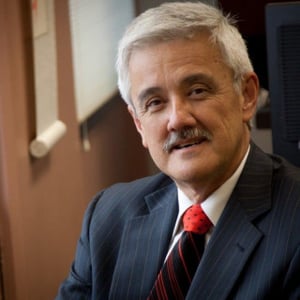
Managing Director, Accreditation and Legal Education, Section of Legal Education, American Bar Association
William E. Adams, Jr. is the Managing Director of the Section of Legal Education and Admissions to the Bar at the American Bar Association. Prior to this, he has approximately twenty-five years legal education experience having served as a dean, associate dean and professor of law. Mr. Adams also practiced law for nearly ten years in three different legal services organizations. He served as an officer in several bar organizations including as Chair of the Florida Bar Public Interest Law Section and Florida Bar Committee on the Elderly. He is a 1978 cum laude graduate of the Indiana University Maurer School of Law.
Milton R. Underwood Chair in Free Enterprise, Vanderbilt University Law School
Brian Fitzpatrick is the Milton R. Underwood Chair in Free Enterprise and Professor of Law at Vanderbilt Law School, where his research focuses on class action litigation, federal courts, judicial selection, and constitutional law. He is best known for his empirical studies of class action settlements as well as his book The Conservative Case for Class Actions (University of Chicago Press, 2019). Professor Fitzpatrick joined Vanderbilt's law faculty in 2007 after serving as the John M. Olin Fellow at New York University School of Law. He graduated first in his class from Harvard Law School and went on to clerk for Judge Diarmuid O'Scannlain on the U.S. Court of Appeals for the Ninth Circuit and Justice Antonin Scalia on the U.S. Supreme Court. After his clerkships, Professor Fitzpatrick practiced commercial and appellate litigation for several years at Sidley Austin in Washington, D.C., and served as Special Counsel for Supreme Court Nominations to U.S. Senator John Cornyn. Before earning his law degree, Fitzpatrick graduated summa cum laude with a bachelor's of science in chemical engineering from the University of Notre Dame. He has received the Hall-Hartman Outstanding Professor Award, which recognizes excellence in classroom teaching, for his Civil Procedure and Federal Courts courses.
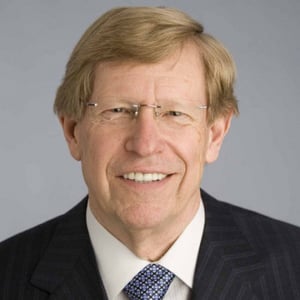
Partner, Gibson Dunn & Crutcher LLP
Theodore B. Olson is a Partner in Gibson, Dunn & Crutcher’s Washington, D.C. office; a founder of the Firm’s Crisis Management, Sports Law, and Appellate and Constitutional Law Practice Groups.
Mr. Olson was Solicitor General of the United States during the period 2001-2004. From 1981-1984, he was Assistant Attorney General in charge of the Office of Legal Counsel in the U.S. Department of Justice. Except for those two intervals, he has been a lawyer with Gibson, Dunn & Crutcher in Los Angeles and Washington, D.C. since 1965.
Selected by Time magazine in 2010 as one of the 100 most influential people in the world, Mr. Olson is one of the nation’s premier appellate and United States Supreme Court advocates. He has argued 65 cases in the Supreme Court and has prevailed in over 75% of those cases. These include the two Bush v Gore cases arising out of the 2000 presidential election; Citizens United v Federal Election Commission; Hollingsworth v Perry, the case affirming the overturning of California’s Proposition 8, banning same-sex marriages; Murphy v NCAA, overturning a federal law prohibiting states from authorizing sports betting; and U.S. Dept. of Homeland Security v Regents of the Univ. of Calif., challenging the Trump Administration’s rescission of the Deferred Action for Childhood Arrivals (“DACA”). Mr. Olson’s practice is concentrated on appellate and constitutional law, federal legislation, media and commercial disputes, and assisting clients with strategies for the containment, management and resolution of major legal crises. He has handled cases at all levels of state and federal court systems throughout the United States. Mr. Olson co-authored “Redeeming the Dream, the Case for Marriage Equality” with David Boies. Both were featured in HBO’s award-winning documentary, “The Case Against 8.”
Mr. Olson's Supreme Court arguments have included cases involving separation of powers; federalism; voting rights; the Tenth Amendment; the First Amendment; the Equal Protection and Due Process Clauses; jury trial rights; punitive damages; takings of property; the Commerce Clause; administrative law; taxation; criminal law; sports wagering; copyright, patent and antitrust; securities; campaign finance; foreign sovereign immunities; telecommunications; the environment; the internet; the Supremacy Clause; and other federal constitutional and statutory questions. As Solicitor General, during the presidency of George W. Bush, Mr. Olson was the Government's principal advocate in the United States Supreme Court, responsible for supervising and coordinating all appellate litigation of the United States, and a legal adviser to the President and the Attorney General. As Assistant Attorney General for the Office of Legal Counsel during the Reagan Administration, Mr. Olson was the Executive Branch's principal legal adviser, rendering legal guidance to the President and to the heads of the Executive Branch departments on a wide range of constitutional and federal statutory questions, and assisting in formulating and articulating the Executive Branch's position on constitutional issues.
Mr. Olson has served as private counsel to two Presidents, Ronald W. Reagan and George W. Bush, in addition to serving those two Presidents in high-level positions in the Department of Justice. He has twice been awarded the United States Department of Justice's Edmund J. Randolph Award, its highest award for public service and leadership, and also received the Department of Defense's Distinguished Public Service Award, its highest civilian award, for his advocacy in the courts of the United States, including the Supreme Court. He also received the American Bar Association Medal, its highest award for “exceptionally distinguished service by a lawyer or lawyers to the cause of American jurisprudence.” Mr. Olson is to receive the 2021 Jack Valenti Friend of the White House Fellows Award in the Fall of 2021 to be presented by the White House Fellows Foundation and Association.
Mr. Olson is a member of the Commission on White House Fellowships; a member of the Board of Trustees of the Ronald Reagan Presidential Foundation; a member of the Board of Visitors of the Federalist Society; the Board of Directors of the Knight First Amendment Institute at Columbia University; and the 9/11 Pentagon Memorial Foundation. He was a visiting scholar at the National Constitution Center in 2007. He served on the President's Privacy and Civil Liberties Oversight Board from 2006 to 2008; and of the Council of the Administrative Conference of the United States from 2010 to 2020. He was Co-Chair of the Knight Commission on the Information Needs of Communities in a Democracy from 2008-2009, and served two terms on the Board of Directors of the National Center for State Courts.
Mr. Olson is a Fellow of both the American College of Trial Lawyers and the American Academy of Appellate Lawyers. He has been repeatedly listed in legal publications as one of the nation’s leading appellate lawyers. The late New York Times columnist William Safire described Mr. Olson as his generation's "most persuasive advocate" before the Supreme Court and "the most effective Solicitor General in decades.”
Mr. Olson received his law degree in 1965 from the University of California at Berkeley (Boalt Hall) where he was a member of the California Law Review and Order of the Coif. He received his bachelor's degree from the University of the Pacific, where he was recognized as the outstanding graduating student in both forensics and journalism. He has written and lectured extensively on appellate advocacy, oral communication in the courtroom, civil justice reform, and constitutional and administrative law.

Judge, United States Court of Appeals, Eighth Circuit
David Stras became a judge on the United States Court of Appeals for the Eighth Circuit on January 31, 2018. Before serving on the Eighth Circuit, Judge Stras was an Associate Justice of the Minnesota Supreme Court, a position he occupied from July 1, 2010 until his appointment to the Eighth Circuit.
Prior to becoming a judge, Stras was a member of the faculty of the University of Minnesota Law School from 2004 through 2010. He taught and wrote in the areas of federal courts and jurisdiction, constitutional law, criminal law, and law and politics.
Judge Stras received his Bachelor of Arts degree, with highest distinction, in 1995 and his Master of Business Administration in 1999, both from the University of Kansas. He also received his law degree from the University of Kansas School of Law in 1999, where he served as Editor-in-Chief of the Criminal Procedure Edition of the Kansas Law Review.
Following law school, Stras clerked for The Honorable Melvin Brunetti of the United States Court of Appeals for the Ninth Circuit and then for The Honorable J. Michael Luttig of the United States Court of Appeals for the Fourth Circuit.
From 2001 to 2002, he practiced white-collar criminal and appellate litigation with the Washington, D.C., office of Sidley Austin Brown & Wood. Following his year in practice, he clerked for The Honorable Clarence Thomas of the Supreme Court of the United States.
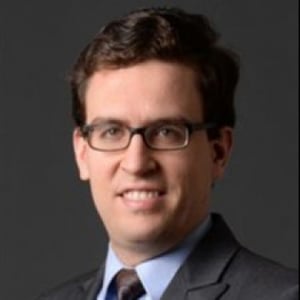
Shareholder, Webber & Thies PC
Mr. Thies has litigated complex commercial disputes and defended class actions throughout the state of Illinois, and in federal courts across the country, including the First, Second, Seventh, and Tenth Circuits. He has represented clients in numerous trials and arbitrations, including serving as part of a trial team winning a $64 million judgment after a jury verdict in the Northern District of New York.
Prior to joining Webber & Thies, Mr. Thies was an associate at Sidley Austin LLP (2013-2018) and clerked for Chief Judge James F. Holderman of the United States District Court for the Northern District of Illinois (2011-2013) and for Judge Jerry Smith of the United States Court of Appeals for the Fifth Circuit (2010-2011).
Managing Director, Accreditation and Legal Education, Section of Legal Education, American Bar Association
William E. Adams, Jr. is the Managing Director of the Section of Legal Education and Admissions to the Bar at the American Bar Association. Prior to this, he has approximately twenty-five years legal education experience having served as a dean, associate dean and professor of law. Mr. Adams also practiced law for nearly ten years in three different legal services organizations. He served as an officer in several bar organizations including as Chair of the Florida Bar Public Interest Law Section and Florida Bar Committee on the Elderly. He is a 1978 cum laude graduate of the Indiana University Maurer School of Law.
Milton R. Underwood Chair in Free Enterprise, Vanderbilt University Law School
Brian Fitzpatrick is the Milton R. Underwood Chair in Free Enterprise and Professor of Law at Vanderbilt Law School, where his research focuses on class action litigation, federal courts, judicial selection, and constitutional law. He is best known for his empirical studies of class action settlements as well as his book The Conservative Case for Class Actions (University of Chicago Press, 2019). Professor Fitzpatrick joined Vanderbilt's law faculty in 2007 after serving as the John M. Olin Fellow at New York University School of Law. He graduated first in his class from Harvard Law School and went on to clerk for Judge Diarmuid O'Scannlain on the U.S. Court of Appeals for the Ninth Circuit and Justice Antonin Scalia on the U.S. Supreme Court. After his clerkships, Professor Fitzpatrick practiced commercial and appellate litigation for several years at Sidley Austin in Washington, D.C., and served as Special Counsel for Supreme Court Nominations to U.S. Senator John Cornyn. Before earning his law degree, Fitzpatrick graduated summa cum laude with a bachelor's of science in chemical engineering from the University of Notre Dame. He has received the Hall-Hartman Outstanding Professor Award, which recognizes excellence in classroom teaching, for his Civil Procedure and Federal Courts courses.
Partner, Gibson Dunn & Crutcher LLP
Theodore B. Olson is a Partner in Gibson, Dunn & Crutcher’s Washington, D.C. office; a founder of the Firm’s Crisis Management, Sports Law, and Appellate and Constitutional Law Practice Groups.
Mr. Olson was Solicitor General of the United States during the period 2001-2004. From 1981-1984, he was Assistant Attorney General in charge of the Office of Legal Counsel in the U.S. Department of Justice. Except for those two intervals, he has been a lawyer with Gibson, Dunn & Crutcher in Los Angeles and Washington, D.C. since 1965.
Selected by Time magazine in 2010 as one of the 100 most influential people in the world, Mr. Olson is one of the nation’s premier appellate and United States Supreme Court advocates. He has argued 65 cases in the Supreme Court and has prevailed in over 75% of those cases. These include the two Bush v Gore cases arising out of the 2000 presidential election; Citizens United v Federal Election Commission; Hollingsworth v Perry, the case affirming the overturning of California’s Proposition 8, banning same-sex marriages; Murphy v NCAA, overturning a federal law prohibiting states from authorizing sports betting; and U.S. Dept. of Homeland Security v Regents of the Univ. of Calif., challenging the Trump Administration’s rescission of the Deferred Action for Childhood Arrivals (“DACA”). Mr. Olson’s practice is concentrated on appellate and constitutional law, federal legislation, media and commercial disputes, and assisting clients with strategies for the containment, management and resolution of major legal crises. He has handled cases at all levels of state and federal court systems throughout the United States. Mr. Olson co-authored “Redeeming the Dream, the Case for Marriage Equality” with David Boies. Both were featured in HBO’s award-winning documentary, “The Case Against 8.”
Mr. Olson's Supreme Court arguments have included cases involving separation of powers; federalism; voting rights; the Tenth Amendment; the First Amendment; the Equal Protection and Due Process Clauses; jury trial rights; punitive damages; takings of property; the Commerce Clause; administrative law; taxation; criminal law; sports wagering; copyright, patent and antitrust; securities; campaign finance; foreign sovereign immunities; telecommunications; the environment; the internet; the Supremacy Clause; and other federal constitutional and statutory questions. As Solicitor General, during the presidency of George W. Bush, Mr. Olson was the Government's principal advocate in the United States Supreme Court, responsible for supervising and coordinating all appellate litigation of the United States, and a legal adviser to the President and the Attorney General. As Assistant Attorney General for the Office of Legal Counsel during the Reagan Administration, Mr. Olson was the Executive Branch's principal legal adviser, rendering legal guidance to the President and to the heads of the Executive Branch departments on a wide range of constitutional and federal statutory questions, and assisting in formulating and articulating the Executive Branch's position on constitutional issues.
Mr. Olson has served as private counsel to two Presidents, Ronald W. Reagan and George W. Bush, in addition to serving those two Presidents in high-level positions in the Department of Justice. He has twice been awarded the United States Department of Justice's Edmund J. Randolph Award, its highest award for public service and leadership, and also received the Department of Defense's Distinguished Public Service Award, its highest civilian award, for his advocacy in the courts of the United States, including the Supreme Court. He also received the American Bar Association Medal, its highest award for “exceptionally distinguished service by a lawyer or lawyers to the cause of American jurisprudence.” Mr. Olson is to receive the 2021 Jack Valenti Friend of the White House Fellows Award in the Fall of 2021 to be presented by the White House Fellows Foundation and Association.
Mr. Olson is a member of the Commission on White House Fellowships; a member of the Board of Trustees of the Ronald Reagan Presidential Foundation; a member of the Board of Visitors of the Federalist Society; the Board of Directors of the Knight First Amendment Institute at Columbia University; and the 9/11 Pentagon Memorial Foundation. He was a visiting scholar at the National Constitution Center in 2007. He served on the President's Privacy and Civil Liberties Oversight Board from 2006 to 2008; and of the Council of the Administrative Conference of the United States from 2010 to 2020. He was Co-Chair of the Knight Commission on the Information Needs of Communities in a Democracy from 2008-2009, and served two terms on the Board of Directors of the National Center for State Courts.
Mr. Olson is a Fellow of both the American College of Trial Lawyers and the American Academy of Appellate Lawyers. He has been repeatedly listed in legal publications as one of the nation’s leading appellate lawyers. The late New York Times columnist William Safire described Mr. Olson as his generation's "most persuasive advocate" before the Supreme Court and "the most effective Solicitor General in decades.”
Mr. Olson received his law degree in 1965 from the University of California at Berkeley (Boalt Hall) where he was a member of the California Law Review and Order of the Coif. He received his bachelor's degree from the University of the Pacific, where he was recognized as the outstanding graduating student in both forensics and journalism. He has written and lectured extensively on appellate advocacy, oral communication in the courtroom, civil justice reform, and constitutional and administrative law.
Judge, United States Court of Appeals, Eighth Circuit
David Stras became a judge on the United States Court of Appeals for the Eighth Circuit on January 31, 2018. Before serving on the Eighth Circuit, Judge Stras was an Associate Justice of the Minnesota Supreme Court, a position he occupied from July 1, 2010 until his appointment to the Eighth Circuit.
Prior to becoming a judge, Stras was a member of the faculty of the University of Minnesota Law School from 2004 through 2010. He taught and wrote in the areas of federal courts and jurisdiction, constitutional law, criminal law, and law and politics.
Judge Stras received his Bachelor of Arts degree, with highest distinction, in 1995 and his Master of Business Administration in 1999, both from the University of Kansas. He also received his law degree from the University of Kansas School of Law in 1999, where he served as Editor-in-Chief of the Criminal Procedure Edition of the Kansas Law Review.
Following law school, Stras clerked for The Honorable Melvin Brunetti of the United States Court of Appeals for the Ninth Circuit and then for The Honorable J. Michael Luttig of the United States Court of Appeals for the Fourth Circuit.
From 2001 to 2002, he practiced white-collar criminal and appellate litigation with the Washington, D.C., office of Sidley Austin Brown & Wood. Following his year in practice, he clerked for The Honorable Clarence Thomas of the Supreme Court of the United States.
Shareholder, Webber & Thies PC
Mr. Thies has litigated complex commercial disputes and defended class actions throughout the state of Illinois, and in federal courts across the country, including the First, Second, Seventh, and Tenth Circuits. He has represented clients in numerous trials and arbitrations, including serving as part of a trial team winning a $64 million judgment after a jury verdict in the Northern District of New York.
Prior to joining Webber & Thies, Mr. Thies was an associate at Sidley Austin LLP (2013-2018) and clerked for Chief Judge James F. Holderman of the United States District Court for the Northern District of Illinois (2011-2013) and for Judge Jerry Smith of the United States Court of Appeals for the Fifth Circuit (2010-2011).
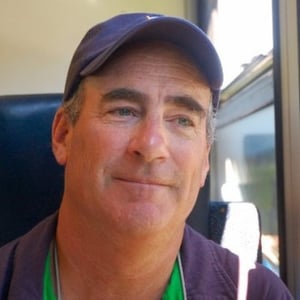
Chartered Financial Analyst, Walden Consultants LLC
After more than 30 years in print and electronic journalism at Forbes, Bloomberg Business News and major metro dailies in Dallas and Houston, Daniel Fisher formed Walden Consultants LLC to provide high quality writing, editing and advice on media strategy. In addition to his journalism experience, he has a master’s degree from Yale Law School, where he was a Knight fellow in 2003-04, and holds the Chartered Financial Analyst designation. Background financial investigations have been a fundamental part of his business journalism career.
Milton R. Underwood Chair in Free Enterprise, Vanderbilt University Law School
Brian Fitzpatrick is the Milton R. Underwood Chair in Free Enterprise and Professor of Law at Vanderbilt Law School, where his research focuses on class action litigation, federal courts, judicial selection, and constitutional law. He is best known for his empirical studies of class action settlements as well as his book The Conservative Case for Class Actions (University of Chicago Press, 2019). Professor Fitzpatrick joined Vanderbilt's law faculty in 2007 after serving as the John M. Olin Fellow at New York University School of Law. He graduated first in his class from Harvard Law School and went on to clerk for Judge Diarmuid O'Scannlain on the U.S. Court of Appeals for the Ninth Circuit and Justice Antonin Scalia on the U.S. Supreme Court. After his clerkships, Professor Fitzpatrick practiced commercial and appellate litigation for several years at Sidley Austin in Washington, D.C., and served as Special Counsel for Supreme Court Nominations to U.S. Senator John Cornyn. Before earning his law degree, Fitzpatrick graduated summa cum laude with a bachelor's of science in chemical engineering from the University of Notre Dame. He has received the Hall-Hartman Outstanding Professor Award, which recognizes excellence in classroom teaching, for his Civil Procedure and Federal Courts courses.
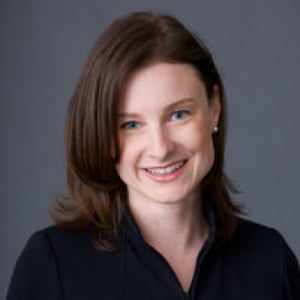
Associate Professor of Law at Georgetown, Maria J. Glover specializes in civil procedure, complex litigation, and the interplay between private litigation and public regulation. She was a Climenko Fellow and Lecturer on Law at Harvard Law School before coming to Georgetown in 2012. Before teaching, she clerked for Judge J. Harvie Wilkinson III of the United States Court of Appeals for the Fourth Circuit and practiced in the Supreme Court Appellate practice group at Mayer Brown LLP in Washington, DC. She is a graduate of Vanderbilt Law School. She was the recipient of the Cecil D. Branstetter Litigation and Dispute Resolution Program Award.
Chartered Financial Analyst, Walden Consultants LLC
After more than 30 years in print and electronic journalism at Forbes, Bloomberg Business News and major metro dailies in Dallas and Houston, Daniel Fisher formed Walden Consultants LLC to provide high quality writing, editing and advice on media strategy. In addition to his journalism experience, he has a master’s degree from Yale Law School, where he was a Knight fellow in 2003-04, and holds the Chartered Financial Analyst designation. Background financial investigations have been a fundamental part of his business journalism career.
Milton R. Underwood Chair in Free Enterprise, Vanderbilt University Law School
Brian Fitzpatrick is the Milton R. Underwood Chair in Free Enterprise and Professor of Law at Vanderbilt Law School, where his research focuses on class action litigation, federal courts, judicial selection, and constitutional law. He is best known for his empirical studies of class action settlements as well as his book The Conservative Case for Class Actions (University of Chicago Press, 2019). Professor Fitzpatrick joined Vanderbilt's law faculty in 2007 after serving as the John M. Olin Fellow at New York University School of Law. He graduated first in his class from Harvard Law School and went on to clerk for Judge Diarmuid O'Scannlain on the U.S. Court of Appeals for the Ninth Circuit and Justice Antonin Scalia on the U.S. Supreme Court. After his clerkships, Professor Fitzpatrick practiced commercial and appellate litigation for several years at Sidley Austin in Washington, D.C., and served as Special Counsel for Supreme Court Nominations to U.S. Senator John Cornyn. Before earning his law degree, Fitzpatrick graduated summa cum laude with a bachelor's of science in chemical engineering from the University of Notre Dame. He has received the Hall-Hartman Outstanding Professor Award, which recognizes excellence in classroom teaching, for his Civil Procedure and Federal Courts courses.
Associate Professor of Law at Georgetown, Maria J. Glover specializes in civil procedure, complex litigation, and the interplay between private litigation and public regulation. She was a Climenko Fellow and Lecturer on Law at Harvard Law School before coming to Georgetown in 2012. Before teaching, she clerked for Judge J. Harvie Wilkinson III of the United States Court of Appeals for the Fourth Circuit and practiced in the Supreme Court Appellate practice group at Mayer Brown LLP in Washington, DC. She is a graduate of Vanderbilt Law School. She was the recipient of the Cecil D. Branstetter Litigation and Dispute Resolution Program Award.

Courthouse Steps Decision: Mallory v. Norfolk Southern Railway Co.
Brian T. Fitzpatrick, Ashley Keller, John Masslon
On Tuesday, June 27, 2023, the Supreme Court issued its decision in Mallory v. Norfolk...
Courthouse Steps Decision: Mallory v. Norfolk Southern Railway Co.
Brian T. Fitzpatrick, Ashley Keller, John Masslon
On Tuesday, June 27, 2023, the Supreme Court issued its decision in Mallory v. Norfolk...
"The Diversity Lie" 20 Years Later
Brian T. Fitzpatrick, Theodore "Ted" Frank, Randall Kennedy
In 2003, Professor Brian Fitzpatrick published a piece titled "The Diversity Lie" in which he...
"The Diversity Lie" 20 Years Later
Brian T. Fitzpatrick, Theodore "Ted" Frank, Randall Kennedy
In 2003, Professor Brian Fitzpatrick published a piece titled "The Diversity Lie" in which he...
Is Cy Pres Defensible?
Brian T. Fitzpatrick, Theodore "Ted" Frank
Cy pres is the practice of awarding class-action settlement funds to third-party organizations when distribution...
Is Cy Pres Defensible?
Brian T. Fitzpatrick, Theodore "Ted" Frank
Cy pres is the practice of awarding class-action settlement funds to third-party organizations when distribution...
Showcase Panel IV: The Regulatory Power of Bar Associations
William E. Adams, Brian T. Fitzpatrick, Theodore B. Olson, David R. Stras, Daniel R. Thies
2022 National Lawyers Convention
The reach of bar associations, including the ABA, extends further than many realize. From evaluating...
Showcase Panel IV: The Regulatory Power of Bar Associations
William E. Adams, Brian T. Fitzpatrick, Theodore B. Olson, David R. Stras, Daniel R. Thies
2022 National Lawyers Convention
The reach of bar associations, including the ABA, extends further than many realize. From evaluating...
The New Mass Arbitration: Just Deserts or Just Another Abuse?
Daniel Fisher, Brian T. Fitzpatrick, Maria J. Glover
In recent years, many companies have required consumers and employees to agree to individually arbitrate...
The New Mass Arbitration: Just Deserts or Just Another Abuse?
Daniel Fisher, Brian T. Fitzpatrick, Maria J. Glover
In recent years, many companies have required consumers and employees to agree to individually arbitrate...