Note from the Editor: The Federalist Society takes no positions on particular legal and public policy matters. Any expressions of opinion are those of the author. We welcome responses to the views presented here. To join the debate, please email us at info@fedsoc.org.
What are the limits of private power in the viewpoint discrimination realm? Are current remedies too little, too much – or, like Goldilocks’ porridge, just right? The Free Speech & Election Law Practice Group is proud to present this topic at the 2019 National Lawyers Convention.
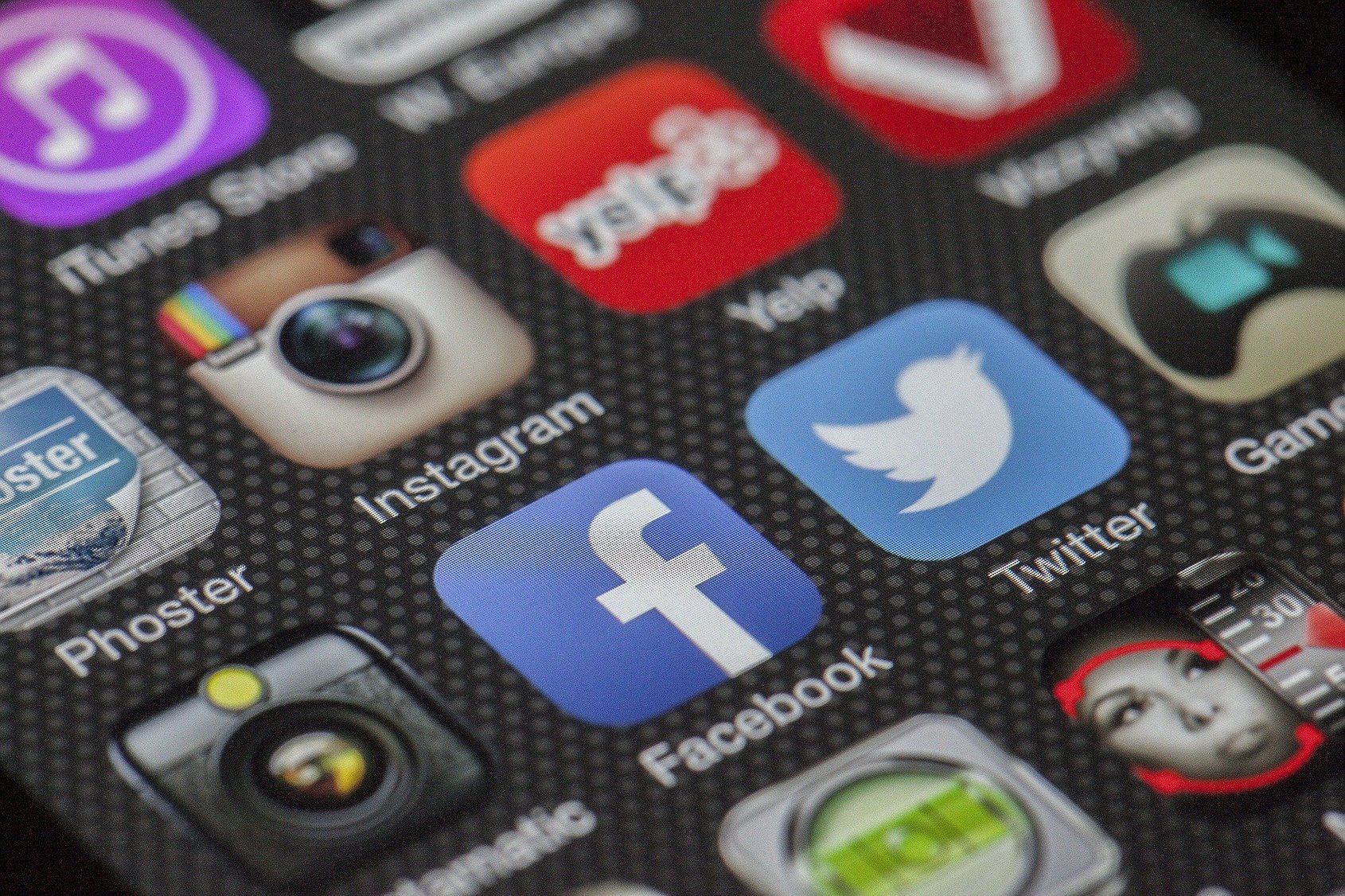
Given the significant role of a handful of social media corporations – Google, Facebook, Twitter and more – in our American civic life, what limits, if any, should be placed on the power of these corporations to discriminate against consumers, workers, and others on the basis of their viewpoints? Other corporations and industries are getting in on the censorship movement as well, including financial services businesses. Should the trend of activist pressure “deplatforming” disfavored speakers be constrained by statute? By the courts? Should social media giants be regulated like public utilities? May consumers have a private right of action against corporations that deny access on the basis of user viewpoint? And if corporations are subject to quasi-First Amendment restrictions, may Congress carve out sensitive areas such as terrorism, or must all such regulations be totally viewpoint-neutral? Content neutral? What about workers who claim they are discriminated against or wrongfully terminated on the basis of their privately or publicly expressed views, including on issues such as affirmative action, politics, and social justice – is regulation required to protect these workers?
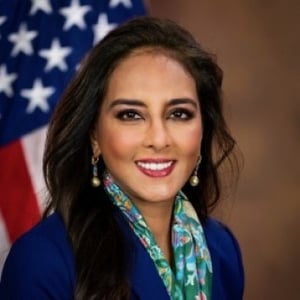
Moderated by Eleventh Circuit Judge Britt Grant, panelists will include Professors Eugene Volokh (UCLA), Eric Goldman (Santa Clara University), Adam Candeub (Michigan State), and First Amendment attorney Harmeet K. Dhillon. We expect an engaging debate on these ideas, and we hope you join us on November 15 at 2:45 pm ET either in-person or via live stream on the Federlaist Society website.