Fla. Supreme Court Rejects Nonlawyer Ownership of Law Firms, Fee Splitting with Nonlawyers
Note from the Editor: The Federalist Society takes no positions on particular legal and public policy matters. Any expressions of opinion are those of the author. We welcome responses to the views presented here. To join the debate, please email us at info@fedsoc.org.
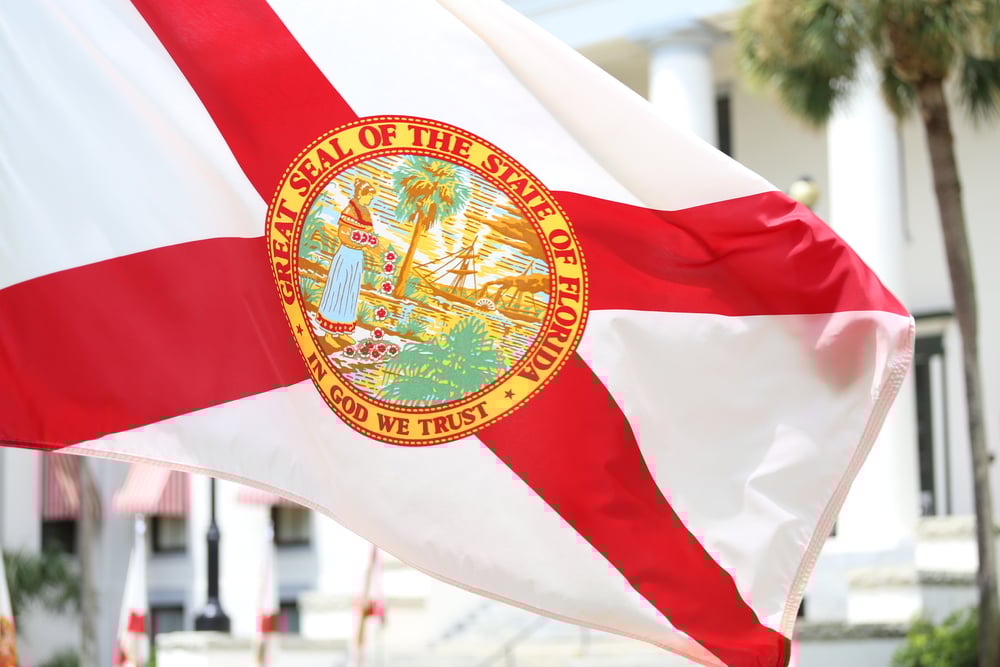
The Florida Supreme Court has rejected proposals to test nonlawyer ownership in law firms, fee splitting with nonlawyers, and broadly expanded paralegal work. The proposals, which were included in a 2021 report of a Special Committee to Improve the Delivery of Legal Services, were modeled after a regulatory sandbox pilot program approved in Utah in 2020. The Florida Bar’s Board of Governors unanimously opposed the Special Committee’s proposals to allow nonlawyer ownership in law firms and for lawyers to split fees with nonlawyers. The only recommendation from the Special Committee’s report that the Florida Supreme Court intends to adopt will be to “permit not-for-profit legal service providers to organize as a corporation and to permit nonlawyers to serve on the not-for-profit legal service provider’s boards of directors.” The court, however, “remains committed to ensuring that the rules governing the practice of law in Florida not only enforce appropriate ethical standards among Florida lawyers, but also meet the needs of Floridians for timely and affordable legal services.” The court asked the Bar to file a petition or report by December 30, 2022, providing “alternative proposals to ‘improve the delivery of legal services to Florida’s consumers and . . . assure Florida lawyers play a proper and prominent role in the provision of these services.’”

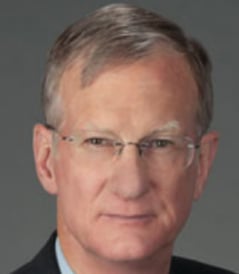
Partner and Co-Chair, Public Policy Group, Shook Hardy & Bacon LLP
Mark Behrens co-chairs Shook's Washington, DC-based Public Policy Practice Group and is a leading national expert on civil justice issues with over thirty years of experience. A substantial part of his practice is working to improve the civil litigation environment through state and federal legislation; in the courts through amicus curiae briefs; through legal scholarship and judicial education; and in the court of public opinion.
Mark is actively involved in civil justice reform efforts at the federal and state levels. He has testified before the U.S. Congress and most state legislatures on behalf of business and civil justice organizations. Mark also has an active amicus brief practice specializing in tort liability and civil justice issues. He has authored or co-authored over 150 amicus briefs in cases before the United States Supreme Court and federal and state appellate courts on behalf of business, civil justice, and defense lawyer organizations. In addition, Mark routinely files comments on behalf of business, civil justice, and defense lawyer organizations regarding potential changes to federal and state court rules. He chairs the International Association of Defense Counsel’s (IADC) Civil Justice Response Committee and serves on the Board of Directors of Lawyers for Civil Justice (LCJ).
Mark is a member of the American Law Institute (ALI). He received his J.D. in 1990 from Vanderbilt University Law School, where he was a member of the Vanderbilt Law Review. He received his B.A. in economics from the University of Wisconsin in 1987.