Facts of the Case
The 1984 Bail Reform Act allowed the federal courts to detain an arrestee prior to trial if the government could prove that the individual was potentially dangerous to other people in the community. Prosecutors alleged that Salerno and another person in this case were prominent figures in the La Cosa Nostra crime family.
Questions
Did the Bail Reform Act violate the Fifth Amendment's Due Process Clause?
Conclusions
-
The Court held that the Act was constitutional because when the government's interest in protecting the community outweighs individual liberty, pre-trial detention can be "a potential solution to a pressing societal problem." The Act only applied to a specific list of serious offenses, placed heavy burdens on the government to prove that the arrestee posed significant threats to others, and did not prevent the accused from enjoying a speedy trial. The Court also dismissed Salerno's argument that the Act violated the Excessive Bail Clause of the Eighth Amendment.
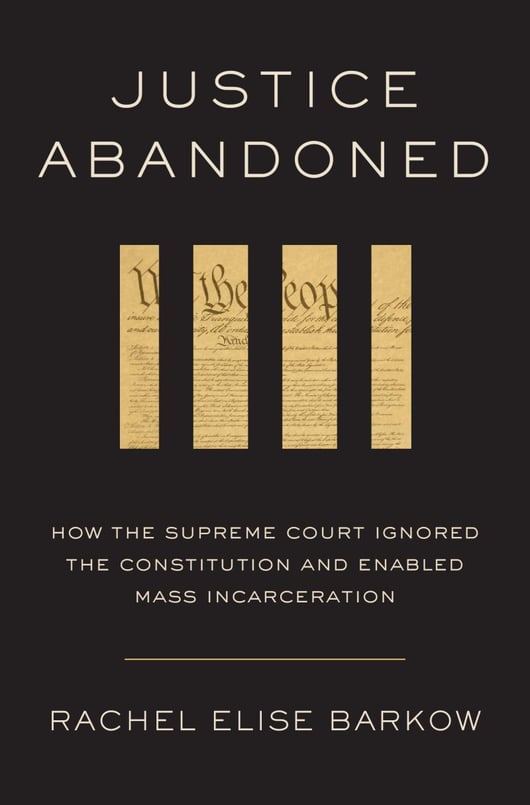
Using Originalism to Attack Mass Incarceration: A Review of Rachel Barkow’s Justice Abandoned
It is a singular fact of life in America that with five percent of the...

The Gordian Knot of Abortion Jurisprudence
Federalist Society Review, Volume 22
On December 1, the Supreme Court will hear argument in Dobbs v. Jackson Women’s Health...

In the Rush to Reform, Prudence Is Among the Highest Duties: How to Responsibly Reform Cash Bail
Over the last two decades, the politics of American criminal law has made strange bedfellows....

Partial-Birth Abortion Ban Act
Online Debate
On April 18, 2007, the Supreme Court upheld the constitutionality of the Partial-Birth Abortion Ban...