Facts of the Case
The facts, as they appear in the findings of the Court of Claims, are that the appellant was nominated on July 17, 1890, to be one of the general appraisers of merchandise under the Act of June 10, 1890, chapter 407, 26 Stat. 131, and that nomination was consented to on the following day by the Senate, and the appellant was thereupon commissioned to be such general appraiser of merchandise. He accepted that office and took the oath required on July 24, 1890, and remained in such office and was paid the salary attached thereto up to May 15, 1899. On May 3 of that year, he received the following communication from the President: "Executive Mansion" "Washington, D.C. May 3, 1899" "Sir: You are hereby removed from the office of general appraiser of merchandise, to take effect upon the appointment and qualification of your successor."
Conclusions
-
Where Congress creates an office and provides for the removal of the incumbent at any time for inefficiency, neglect of duty, or malfeasance in office, if the removal of the officer is sought to be made for any of those causes, he is entitled to notice and a hearing; but if the President removes him without giving him notice and an opportunity to defend himself, it must be presumed that the removal was not made for any of the causes assigned in the statute. In the absence of constitutional or statutory provision, the President can, by virtue of his general power of appointment, remove an officer, even though he were appointed by and with the advice and consent of the Senate. This power (assuming, but not deciding, that Congress could deprive the President of the right to exercise it in such a case as this) cannot be taken away by mere inference or implication, and, in the absence of plain language in the statute, Congress will not be presumed to have taken it away.
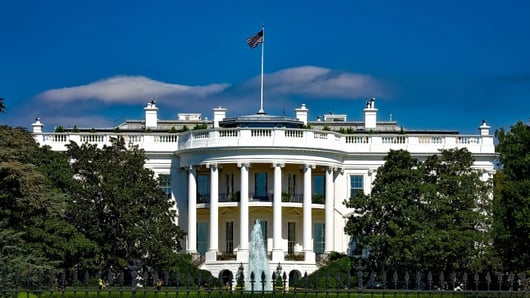
The End of Independent Agencies? Restoring Presidential Control of the Executive Branch
Federalist Society Review, Volume 22
On the day that President Joe Biden took office, among his first official acts was...
PCAOB Debate
Online Debate
This debate will focus on the following questions: Is the Sarbanes-Oxley Act consistent with the...