Facts of the Case
In 1785, the Massachusetts legislature incorporated the Charles River Bridge Company to construct a bridge and collect tolls. In 1828, the legislature established the Warren Bridge Company to build a free bridge nearby. Unsurprisingly, the new bridge deprived the old one of traffic and tolls. The Charles River Bridge Company filed suit, claiming the legislature had defaulted on its initial contract.
Questions
Did the legislature enter into an economic contract with the Charles River Bridge Company that was impaired by the second charter in violation of Article I Section 10 of the Constitution?
Conclusions
-
In a 5-to-2 decision, the Court held that the state had not entered a contract that prohibited the construction of another bridge on the river at a later date. The Court held that the legislature neither gave exclusive control over the waters of the river nor invaded corporate privilege by interfering with the company's profit-making ability. In balancing the rights of private property against the need for economic development, the Court found that the community interest in creating new channels of travel and trade had priority.
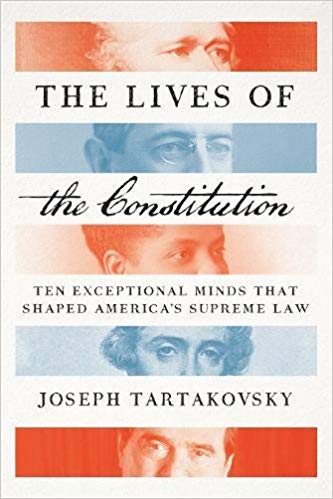
Giving Credit for Shaping the Constitution
Federalist Society Review, Volume 19
A review of: The Lives of the Constitution: Ten Exceptional Minds That Shaped America’s Supreme Law,...

Forgotten Cases: Worthen v. Thomas and the Contract Clause
Federalist Society Review, Volume 18
Note from the Editor: This article discusses the history of interpretation of the Contract Clause and...