Facts of the Case
Because it is a recipient of federal financial assistance, the Alabama Department of Public Safety (Department) is subject to Title VI of the Civil Rights Act of 1964. Section 601 of Title VI prohibits discrimination based on race, color, or national origin. Under section 602, the Department of Justice issued a regulation forbidding funding recipients to utilize criteria or administrative methods having the effect of subjecting individuals to discrimination based on the prohibited grounds. Martha Sandoval brought a class action suit to enjoin the Department from administering state driver's license examinations only in English. Sandoval argued that the English-only policy violated the DOJ regulation because it had the effect of subjecting non-English speakers to discrimination based on their national origin. Ordering the Department to accommodate non-English speakers, the District Court enjoined the policy. The Court of Appeals affirmed. James Alexander, the Director of the Department, unsuccessfully argued before both courts that Title VI did not provide a cause of action to enforce the regulation.
Questions
Does Title VI of the Civil Rights Act of 1964 provide a cause of action to enforce the Department of Justice's regulation forbidding federal financial assistance recipients to utilize criteria or administrative methods that have the effect of subjecting individuals to discrimination based on race, color, or national origin?
Conclusions
-
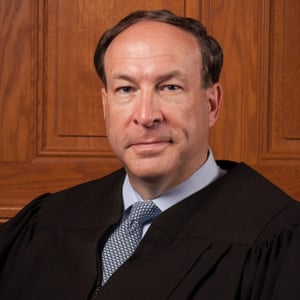
No. In a 5-4 opinion delivered by Justice Antonin Scalia, the Court held that there is no private right of action to enforce disparate-impact regulations promulgated under Title VI. "Title VI itself directly reaches only instances of intentional discrimination," wrote Justice Scalia, "[n]either as originally enacted nor as later amended does Title VI display an intent to create a freestanding private right of action to enforce regulations promulgated under [section 602]." Justice John Paul Stevens filed a dissenting opinion, which was join by Justices David H. Souter, Ruth Bader Ginsburg, and Stephen G. Breyer.

Two Quirky Appellate Decisions on Section 2 of the Voting Rights Act
Two federal circuit courts of appeal recently handed down a pair of quirky opinions regarding...

Arkansas State Conference NAACP v. Arkansas Board of Apportionment: Textualism in Action in a Voting Rights Act Case
On February 17, 2022, in Arkansas State Conference NAACP v. Arkansas Board of Apportionment, the...

Conservative leaders to DeVos: Repeal illegal, harmful Obama-era “Dear Colleague” letter
This week, conservative leaders across the country sent a letter, to U.S. Department of Education Secretary...

Outstanding New Article on “Disparate Impact” and School Discipline
Gail Heriot and Alison Somin have written an important article that will appear in the Texas...

The Kudzu of Civil Rights Law: Disparate Impact Spreads Into Educational “Resource Comparability”
Engage Volume 16, Issue 2
Note from the Editor: This article is about a Dear Colleague letter from the Department...
School Discipline and Disparate Impact
Engage Volume 13, Issue 1, March 2012
Note from the Editor: This paper analyzes the U.S. Department of Education’s proposed use of...
Hot Topics: Judicial Activism
When President George W. Bush announced his first nominations for the federal bench, he declared,...