
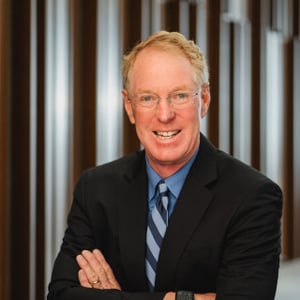
Ronald N. Boyce Presidential Professor of Criminal Law and University Distinguished Professor of Law, The University of Utah College of Law
Paul G. Cassell is an internationally recognized legal scholar on criminal and civil justice, crime victims' rights, constitutional law, evidence, judicial process, and other legal issues. Cassell received a B.A. (1981) and a J.D. (1984) from Stanford University, where he graduated Order of the Coif and was President of the Stanford Law Review. He clerked for then-Judge Antonin Scalia when Scalia was on the U.S. Court of Appeals for the D.C. Circuit (1984-85) and for Chief Justice Warren Burger of the United States Supreme Court (1985-86). Cassell then served as an Associate Deputy Attorney General with the U.S. Justice Department (1986-88) and as an Assistant U.S. Attorney for the Eastern District of Virginia (1988 to 1991). Cassell joined the faculty at the College of Law in 1992, where he taught full-time until he was sworn in as a U.S. District Court Judge for the District of Utah in July 2002. In November 2007, he resigned his judgeship to return full-time to the College of Law to teach, write, and litigate concerning issues relating to crime victims' rights and criminal and civil justice reform. Professor Cassell has also published numerous law review articles in journals such as the Stanford Law Review, the Michigan Law Review, the Harvard Journal of Law and Public Policy, and the Journal of Criminal Law and Criminology. He is a co-author of the nation's only law school textbook on crime victims' rights, Victims in Criminal Procedure (various editions, most recently in its fifth edition published in 2025). Professor Cassell has argued pro bono cases relating to criminal procedure and crime victims' rights before the United States Supreme Court, the 2nd, 4th, 5th, 6th, 7th, 8th, 9th, 10th, 11th, and D.C. Circuits (including the 5th and 11th Circuits en banc), several U.S. District Courts, the Utah Supreme Court, and the Arizona Supreme Court. In 2020, Cassell received the Ronald Wilson Reagan Public Policy Award - National Crime Victims' Service Award from the U.S. Department of Justice. Cassell is a member of the American Law Institute, a fellow of the American Bar Foundation, and an inaugural member of the Council on Criminal Justice. He is also an occasional blogger at The Volokh Conspiracy.
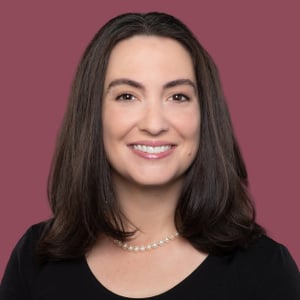
Director of Federal Affairs, Electronic Frontier Foundation
India McKinney currently serves as the director of federal affairs at the Electronic Frontier Foundation, where she works to fight for encryption, for consumer privacy, and civil liberties in the digital realm.. She is a former Capitol Hill staffer with over 10 years experience as a legislative staffer.
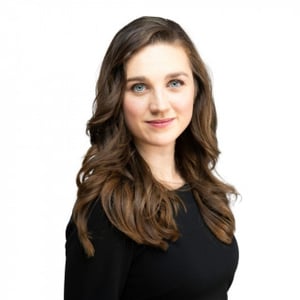
Fellow, Ethics and Public Policy Center
Clare Morell is a fellow at the Ethics and Public Policy Center, where she directs EPPC’s Technology and Human Flourishing Project. Prior to joining EPPC, Ms. Morell worked in both the White House Counsel’s Office and the Department of Justice, as well as in the private and non-profit sectors. She is also the author of the forthcoming book, The Tech Exit: A Practical Guide to Freeing Kids and Teens from Smartphones, which will be published by Penguin Random House.
At the Department of Justice, Ms. Morell worked as an Advisor to Attorney General Bill Barr. As part of her work for the Attorney General, she helped oversee the President’s Commission on Law Enforcement and the Administration of Justice and served as Editor of the Commission’s final report. A major focus of the Commission’s report was the challenges that Big Tech’s end-to-end encryption presents to law enforcement for gaining lawful access to crucial intelligence in criminal investigations, like domestic terrorism, as well as human and drug trafficking crimes. Ms. Morell also supported the Attorney General’s work on Section 230 reform as one of his main priorities.
Prior to her role with the Office of the Attorney General, Ms. Morell worked on judicial nominations for the White House Counsel’s office and monitored all nominations data to create high-level presentations for briefing White House leadership. From her experience, Ms. Morell brings an intimate knowledge and understanding of how policy is advanced within the Executive Branch of the federal government, particularly in the Department of Justice and the White House.
Ms. Morell has had opinion pieces published in the Wall Street Journal, Fox News, Newsweek, the Washington Examiner, National Review, American Affairs Journal, Deseret News, The Federalist, Public Discourse, WORLD Magazine, the Washington Times, and the Daily Signal.
Ms. Morell received a B.S.F.S. from Georgetown University’s Walsh School of Foreign Service, where she majored in Science, Technology, and International Affairs. She graduated summa cum laude and received the Edmund A. Walsh Award for academic achievement in international law. She also is proficient in Spanish.
Ms. Morell lives with her husband and three children in Washington, D.C.
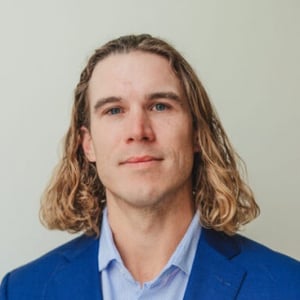
Resident Senior Fellow, Technology and Innovation, R Street Institute
Spence works for the R Street Institute on the impact of misinformation on society and public policy, including creating a new framework for information governance.
Previously, Spence served as the director of technology policy at the Reason Foundation, where he was responsible for managing fundraising efforts and policy implementation. He also served as a graduate fellow in the Executive Office of the Governor in Florida.
Before pursuing his graduate studies, Spence was the business development manager for a technology startup, Dealers United, in Sarasota, Florida.
In recognition of his work, Spence won the Policy Paper of the Year award in the Florida Legislature in 2015 for his policy brief on data sharing and software procurement.
Spence earned his master’s degree in public administration from Florida State University and his bachelor’s degree in political science from Stetson University.
Partner, Holtzman Vogel Baran Torchinsky & Josefiak PLLC
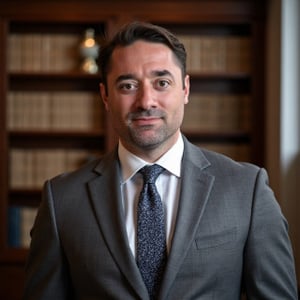
Brandon Smith is a partner at Holtzman Vogel, based in Tennessee, where he focuses on government investigations, white collar matters, and specialty litigation. A seasoned government leader and legal strategist, Brandon has played a central role in shaping conservative policy and litigation at the highest levels of state government.
Before joining the firm, Brandon served as Chief of Staff and Assistant Solicitor General in the Tennessee Attorney General’s Office. In that role, he led multi-state litigation, high-profile constitutional challenges, and efforts to counter federal overreach and ESG-related corporate activism. He worked closely with nearly every Republican Attorney General’s Office in the country, coordinating litigation, strategy, and multi-state policy efforts.
Earlier in his career, Brandon served as Executive Director of Legislative and Regulatory Affairs for Kentucky Governor Matt Bevin and as Policy Director to Kansas Governor Sam Brownback, where he helped drive key legislative and budget initiatives. He also held roles as Deputy Director of the Federalist Society and as an adjunct professor at American University.
Brandon’s career has been defined by a commitment to defending federalism, advancing conservative governance, and shaping legal and policy fights that matter.
Ronald N. Boyce Presidential Professor of Criminal Law and University Distinguished Professor of Law, The University of Utah College of Law
Paul G. Cassell is an internationally recognized legal scholar on criminal and civil justice, crime victims' rights, constitutional law, evidence, judicial process, and other legal issues. Cassell received a B.A. (1981) and a J.D. (1984) from Stanford University, where he graduated Order of the Coif and was President of the Stanford Law Review. He clerked for then-Judge Antonin Scalia when Scalia was on the U.S. Court of Appeals for the D.C. Circuit (1984-85) and for Chief Justice Warren Burger of the United States Supreme Court (1985-86). Cassell then served as an Associate Deputy Attorney General with the U.S. Justice Department (1986-88) and as an Assistant U.S. Attorney for the Eastern District of Virginia (1988 to 1991). Cassell joined the faculty at the College of Law in 1992, where he taught full-time until he was sworn in as a U.S. District Court Judge for the District of Utah in July 2002. In November 2007, he resigned his judgeship to return full-time to the College of Law to teach, write, and litigate concerning issues relating to crime victims' rights and criminal and civil justice reform. Professor Cassell has also published numerous law review articles in journals such as the Stanford Law Review, the Michigan Law Review, the Harvard Journal of Law and Public Policy, and the Journal of Criminal Law and Criminology. He is a co-author of the nation's only law school textbook on crime victims' rights, Victims in Criminal Procedure (various editions, most recently in its fifth edition published in 2025). Professor Cassell has argued pro bono cases relating to criminal procedure and crime victims' rights before the United States Supreme Court, the 2nd, 4th, 5th, 6th, 7th, 8th, 9th, 10th, 11th, and D.C. Circuits (including the 5th and 11th Circuits en banc), several U.S. District Courts, the Utah Supreme Court, and the Arizona Supreme Court. In 2020, Cassell received the Ronald Wilson Reagan Public Policy Award - National Crime Victims' Service Award from the U.S. Department of Justice. Cassell is a member of the American Law Institute, a fellow of the American Bar Foundation, and an inaugural member of the Council on Criminal Justice. He is also an occasional blogger at The Volokh Conspiracy.
Director of Federal Affairs, Electronic Frontier Foundation
India McKinney currently serves as the director of federal affairs at the Electronic Frontier Foundation, where she works to fight for encryption, for consumer privacy, and civil liberties in the digital realm.. She is a former Capitol Hill staffer with over 10 years experience as a legislative staffer.
Fellow, Ethics and Public Policy Center
Clare Morell is a fellow at the Ethics and Public Policy Center, where she directs EPPC’s Technology and Human Flourishing Project. Prior to joining EPPC, Ms. Morell worked in both the White House Counsel’s Office and the Department of Justice, as well as in the private and non-profit sectors. She is also the author of the forthcoming book, The Tech Exit: A Practical Guide to Freeing Kids and Teens from Smartphones, which will be published by Penguin Random House.
At the Department of Justice, Ms. Morell worked as an Advisor to Attorney General Bill Barr. As part of her work for the Attorney General, she helped oversee the President’s Commission on Law Enforcement and the Administration of Justice and served as Editor of the Commission’s final report. A major focus of the Commission’s report was the challenges that Big Tech’s end-to-end encryption presents to law enforcement for gaining lawful access to crucial intelligence in criminal investigations, like domestic terrorism, as well as human and drug trafficking crimes. Ms. Morell also supported the Attorney General’s work on Section 230 reform as one of his main priorities.
Prior to her role with the Office of the Attorney General, Ms. Morell worked on judicial nominations for the White House Counsel’s office and monitored all nominations data to create high-level presentations for briefing White House leadership. From her experience, Ms. Morell brings an intimate knowledge and understanding of how policy is advanced within the Executive Branch of the federal government, particularly in the Department of Justice and the White House.
Ms. Morell has had opinion pieces published in the Wall Street Journal, Fox News, Newsweek, the Washington Examiner, National Review, American Affairs Journal, Deseret News, The Federalist, Public Discourse, WORLD Magazine, the Washington Times, and the Daily Signal.
Ms. Morell received a B.S.F.S. from Georgetown University’s Walsh School of Foreign Service, where she majored in Science, Technology, and International Affairs. She graduated summa cum laude and received the Edmund A. Walsh Award for academic achievement in international law. She also is proficient in Spanish.
Ms. Morell lives with her husband and three children in Washington, D.C.
Resident Senior Fellow, Technology and Innovation, R Street Institute
Spence works for the R Street Institute on the impact of misinformation on society and public policy, including creating a new framework for information governance.
Previously, Spence served as the director of technology policy at the Reason Foundation, where he was responsible for managing fundraising efforts and policy implementation. He also served as a graduate fellow in the Executive Office of the Governor in Florida.
Before pursuing his graduate studies, Spence was the business development manager for a technology startup, Dealers United, in Sarasota, Florida.
In recognition of his work, Spence won the Policy Paper of the Year award in the Florida Legislature in 2015 for his policy brief on data sharing and software procurement.
Spence earned his master’s degree in public administration from Florida State University and his bachelor’s degree in political science from Stetson University.
Partner, Holtzman Vogel Baran Torchinsky & Josefiak PLLC
Brandon Smith is a partner at Holtzman Vogel, based in Tennessee, where he focuses on government investigations, white collar matters, and specialty litigation. A seasoned government leader and legal strategist, Brandon has played a central role in shaping conservative policy and litigation at the highest levels of state government.
Before joining the firm, Brandon served as Chief of Staff and Assistant Solicitor General in the Tennessee Attorney General’s Office. In that role, he led multi-state litigation, high-profile constitutional challenges, and efforts to counter federal overreach and ESG-related corporate activism. He worked closely with nearly every Republican Attorney General’s Office in the country, coordinating litigation, strategy, and multi-state policy efforts.
Earlier in his career, Brandon served as Executive Director of Legislative and Regulatory Affairs for Kentucky Governor Matt Bevin and as Policy Director to Kansas Governor Sam Brownback, where he helped drive key legislative and budget initiatives. He also held roles as Deputy Director of the Federalist Society and as an adjunct professor at American University.
Brandon’s career has been defined by a commitment to defending federalism, advancing conservative governance, and shaping legal and policy fights that matter.
Ronald N. Boyce Presidential Professor of Criminal Law and University Distinguished Professor of Law, The University of Utah College of Law
Paul G. Cassell is an internationally recognized legal scholar on criminal and civil justice, crime victims' rights, constitutional law, evidence, judicial process, and other legal issues. Cassell received a B.A. (1981) and a J.D. (1984) from Stanford University, where he graduated Order of the Coif and was President of the Stanford Law Review. He clerked for then-Judge Antonin Scalia when Scalia was on the U.S. Court of Appeals for the D.C. Circuit (1984-85) and for Chief Justice Warren Burger of the United States Supreme Court (1985-86). Cassell then served as an Associate Deputy Attorney General with the U.S. Justice Department (1986-88) and as an Assistant U.S. Attorney for the Eastern District of Virginia (1988 to 1991). Cassell joined the faculty at the College of Law in 1992, where he taught full-time until he was sworn in as a U.S. District Court Judge for the District of Utah in July 2002. In November 2007, he resigned his judgeship to return full-time to the College of Law to teach, write, and litigate concerning issues relating to crime victims' rights and criminal and civil justice reform. Professor Cassell has also published numerous law review articles in journals such as the Stanford Law Review, the Michigan Law Review, the Harvard Journal of Law and Public Policy, and the Journal of Criminal Law and Criminology. He is a co-author of the nation's only law school textbook on crime victims' rights, Victims in Criminal Procedure (various editions, most recently in its fifth edition published in 2025). Professor Cassell has argued pro bono cases relating to criminal procedure and crime victims' rights before the United States Supreme Court, the 2nd, 4th, 5th, 6th, 7th, 8th, 9th, 10th, 11th, and D.C. Circuits (including the 5th and 11th Circuits en banc), several U.S. District Courts, the Utah Supreme Court, and the Arizona Supreme Court. In 2020, Cassell received the Ronald Wilson Reagan Public Policy Award - National Crime Victims' Service Award from the U.S. Department of Justice. Cassell is a member of the American Law Institute, a fellow of the American Bar Foundation, and an inaugural member of the Council on Criminal Justice. He is also an occasional blogger at The Volokh Conspiracy.
Senior Fellow, National Review
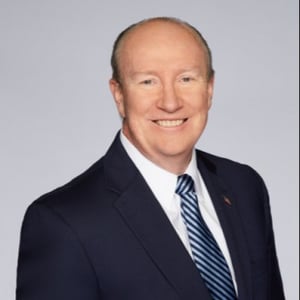
Bestselling author Andrew C. McCarthy is a contributing editor at National Review, a senior fellow at National Review Institute, and a Fox News contributor. He is a former Chief Assistant United States Attorney in the Southern District of New York and led the terrorism prosecution against the “Blind Sheikh” (Omar Abdel Rahman) and eleven other jihadists for conducting a war of urban terrorism against the United States that included the 1993 World Trade Center bombing and a plot to bomb New York City landmarks. During is 20-year career as a prosecutor, he received numerous honors, including the Justice Department’s highest awards. Andy speaks and writes widely on law and national security, radical Islam, politics, and culture. He has testified before Congress as an expert on issues of constitutional law, counterterrorism, and law-enforcement. He is a columnist for The Hill, and his essays and book reviews appear frequently at The New Criterion. His most recent New York Times bestselling book is Ball of Collusion (Encounter Books, 2019), about the Russiagate controversy (an updated version was published in 2020). His other books include Willful Blindness (2008), The Grand Jihad (2010), Spring Fever: The Illusion of Islamic Democracy (2012), and Faithless Execution (2014). He has also written several pamphlets in the Broadside series published by Encounter Books, most recently Islam and Free Speech (2015).
Partner, King & Spalding
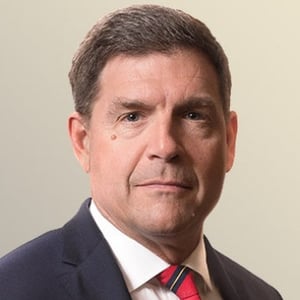
John Richter is a trial and investigations partner in the Special Matters and Investigations Practice Group, and represents and defends companies, Boards of Directors, Board committees, and individuals facing a variety of white-collar criminal and regulatory enforcement matters, parallel civil litigation, and internal corporate investigations. John previously served as the Acting Assistant Attorney General in charge of the Criminal Division at the U.S. Department of Justice and as the U.S. Attorney for the Western District of Oklahoma, having been nominated by President George W. Bush and confirmed by unanimous consent of the U.S. Senate.
Founder, Law Offices of William L. Shipley & Associates
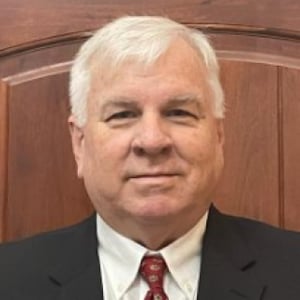
Bill’s legal career spanning more than 32 years has been built in the courtroom, not in the office.
After starting out his career with four years in private practice, In 1992 Bill joined the United States Attorney’s Office for the Eastern District of California where he initially represented the United States in civil litigation – including cases involving millions of dollars in dispute.
The desire to handle trials in front of juries led him to move to the Criminal Division of the US Attorney’s Office, where he served as a criminal prosecutor from 1995 to 2002 in California, and from 2003 until 2013 in the United States Attorney’s Office for the District of Hawaii.
Bill was the lead federal prosecutor in every federal criminal trial he was involved in except for his very first one. He was responsible for overseeing and prosecuting cases involving organized crime, white-collar crime, drug crimes, violent crimes, environmental crimes, contract and commercial fraud, tax fraud, and health care fraud. Over the course of his career, he handled more than 1000 cases, took more than 60 jury trials to verdict as lead counsel, handled dozens of appeals, and appeared nearly 20 times before the Ninth Circuit Court of Appeals as counsel for the United States.
He received national recognition and awards from the Department of Justice and his peers in law enforcement for his successful prosecutions of individuals and companies trafficking in chemicals used to manufacture methamphetamine.
In private practice, he has taken all his experience and training as a prosecutor and used it on behalf of his clients to ensure no one is wrongfully accused or convicted. He understands the power and resources the government can employ against his clients, and that his skills and tenacity are the weapons that he can employ on behalf of his clients to defend themselves.
Since starting his private law practice in 2013, Bill has represented defendants in federal criminal cases, as well as plaintiffs in civil fraud cases, employment matters, trade secrets cases, civil rights claims, probate disputes, and medical malpractice matters. He has tried cases in state and federal court, as well as appearing again before the U.S. Ninth Circuit Court of Appeals, and has argued twice before the D.C. Circuit.
Beginning in the fall of 2021, Bill began representing individuals charged in connection with the riot on Capitol Hill on January 6, 2021. Over the course of three years he represented approximately 90 defendants, with 12 of those chosing to take their cases to trial. He represented two different Oath Keeper members in separate trials, one of whom was the only January 6 defendant to be acquitted by a jury on all the felony counts against him. He was also the first defense attorney to obtain an acquittal in a bench trial on the controversial 18 U.S.C. Sec. 1512(c)(2) charge that was later ruled inapplicable to the January 6 riot by the Supreme Court in Fischer v. United States.
Bill is a graduate of UCLA, where he obtained undergraduate degrees in both Political Science and Sociology. He received his law degree from the Antonin Scalia School of Law at George Mason University in Virginia.
Ronald N. Boyce Presidential Professor of Criminal Law and University Distinguished Professor of Law, The University of Utah College of Law
Paul G. Cassell is an internationally recognized legal scholar on criminal and civil justice, crime victims' rights, constitutional law, evidence, judicial process, and other legal issues. Cassell received a B.A. (1981) and a J.D. (1984) from Stanford University, where he graduated Order of the Coif and was President of the Stanford Law Review. He clerked for then-Judge Antonin Scalia when Scalia was on the U.S. Court of Appeals for the D.C. Circuit (1984-85) and for Chief Justice Warren Burger of the United States Supreme Court (1985-86). Cassell then served as an Associate Deputy Attorney General with the U.S. Justice Department (1986-88) and as an Assistant U.S. Attorney for the Eastern District of Virginia (1988 to 1991). Cassell joined the faculty at the College of Law in 1992, where he taught full-time until he was sworn in as a U.S. District Court Judge for the District of Utah in July 2002. In November 2007, he resigned his judgeship to return full-time to the College of Law to teach, write, and litigate concerning issues relating to crime victims' rights and criminal and civil justice reform. Professor Cassell has also published numerous law review articles in journals such as the Stanford Law Review, the Michigan Law Review, the Harvard Journal of Law and Public Policy, and the Journal of Criminal Law and Criminology. He is a co-author of the nation's only law school textbook on crime victims' rights, Victims in Criminal Procedure (various editions, most recently in its fifth edition published in 2025). Professor Cassell has argued pro bono cases relating to criminal procedure and crime victims' rights before the United States Supreme Court, the 2nd, 4th, 5th, 6th, 7th, 8th, 9th, 10th, 11th, and D.C. Circuits (including the 5th and 11th Circuits en banc), several U.S. District Courts, the Utah Supreme Court, and the Arizona Supreme Court. In 2020, Cassell received the Ronald Wilson Reagan Public Policy Award - National Crime Victims' Service Award from the U.S. Department of Justice. Cassell is a member of the American Law Institute, a fellow of the American Bar Foundation, and an inaugural member of the Council on Criminal Justice. He is also an occasional blogger at The Volokh Conspiracy.
Senior Fellow, National Review
Bestselling author Andrew C. McCarthy is a contributing editor at National Review, a senior fellow at National Review Institute, and a Fox News contributor. He is a former Chief Assistant United States Attorney in the Southern District of New York and led the terrorism prosecution against the “Blind Sheikh” (Omar Abdel Rahman) and eleven other jihadists for conducting a war of urban terrorism against the United States that included the 1993 World Trade Center bombing and a plot to bomb New York City landmarks. During is 20-year career as a prosecutor, he received numerous honors, including the Justice Department’s highest awards. Andy speaks and writes widely on law and national security, radical Islam, politics, and culture. He has testified before Congress as an expert on issues of constitutional law, counterterrorism, and law-enforcement. He is a columnist for The Hill, and his essays and book reviews appear frequently at The New Criterion. His most recent New York Times bestselling book is Ball of Collusion (Encounter Books, 2019), about the Russiagate controversy (an updated version was published in 2020). His other books include Willful Blindness (2008), The Grand Jihad (2010), Spring Fever: The Illusion of Islamic Democracy (2012), and Faithless Execution (2014). He has also written several pamphlets in the Broadside series published by Encounter Books, most recently Islam and Free Speech (2015).
Partner, King & Spalding
John Richter is a trial and investigations partner in the Special Matters and Investigations Practice Group, and represents and defends companies, Boards of Directors, Board committees, and individuals facing a variety of white-collar criminal and regulatory enforcement matters, parallel civil litigation, and internal corporate investigations. John previously served as the Acting Assistant Attorney General in charge of the Criminal Division at the U.S. Department of Justice and as the U.S. Attorney for the Western District of Oklahoma, having been nominated by President George W. Bush and confirmed by unanimous consent of the U.S. Senate.
Founder, Law Offices of William L. Shipley & Associates
Bill’s legal career spanning more than 32 years has been built in the courtroom, not in the office.
After starting out his career with four years in private practice, In 1992 Bill joined the United States Attorney’s Office for the Eastern District of California where he initially represented the United States in civil litigation – including cases involving millions of dollars in dispute.
The desire to handle trials in front of juries led him to move to the Criminal Division of the US Attorney’s Office, where he served as a criminal prosecutor from 1995 to 2002 in California, and from 2003 until 2013 in the United States Attorney’s Office for the District of Hawaii.
Bill was the lead federal prosecutor in every federal criminal trial he was involved in except for his very first one. He was responsible for overseeing and prosecuting cases involving organized crime, white-collar crime, drug crimes, violent crimes, environmental crimes, contract and commercial fraud, tax fraud, and health care fraud. Over the course of his career, he handled more than 1000 cases, took more than 60 jury trials to verdict as lead counsel, handled dozens of appeals, and appeared nearly 20 times before the Ninth Circuit Court of Appeals as counsel for the United States.
He received national recognition and awards from the Department of Justice and his peers in law enforcement for his successful prosecutions of individuals and companies trafficking in chemicals used to manufacture methamphetamine.
In private practice, he has taken all his experience and training as a prosecutor and used it on behalf of his clients to ensure no one is wrongfully accused or convicted. He understands the power and resources the government can employ against his clients, and that his skills and tenacity are the weapons that he can employ on behalf of his clients to defend themselves.
Since starting his private law practice in 2013, Bill has represented defendants in federal criminal cases, as well as plaintiffs in civil fraud cases, employment matters, trade secrets cases, civil rights claims, probate disputes, and medical malpractice matters. He has tried cases in state and federal court, as well as appearing again before the U.S. Ninth Circuit Court of Appeals, and has argued twice before the D.C. Circuit.
Beginning in the fall of 2021, Bill began representing individuals charged in connection with the riot on Capitol Hill on January 6, 2021. Over the course of three years he represented approximately 90 defendants, with 12 of those chosing to take their cases to trial. He represented two different Oath Keeper members in separate trials, one of whom was the only January 6 defendant to be acquitted by a jury on all the felony counts against him. He was also the first defense attorney to obtain an acquittal in a bench trial on the controversial 18 U.S.C. Sec. 1512(c)(2) charge that was later ruled inapplicable to the January 6 riot by the Supreme Court in Fischer v. United States.
Bill is a graduate of UCLA, where he obtained undergraduate degrees in both Political Science and Sociology. He received his law degree from the Antonin Scalia School of Law at George Mason University in Virginia.
Ronald N. Boyce Presidential Professor of Criminal Law and University Distinguished Professor of Law, The University of Utah College of Law
Paul G. Cassell is an internationally recognized legal scholar on criminal and civil justice, crime victims' rights, constitutional law, evidence, judicial process, and other legal issues. Cassell received a B.A. (1981) and a J.D. (1984) from Stanford University, where he graduated Order of the Coif and was President of the Stanford Law Review. He clerked for then-Judge Antonin Scalia when Scalia was on the U.S. Court of Appeals for the D.C. Circuit (1984-85) and for Chief Justice Warren Burger of the United States Supreme Court (1985-86). Cassell then served as an Associate Deputy Attorney General with the U.S. Justice Department (1986-88) and as an Assistant U.S. Attorney for the Eastern District of Virginia (1988 to 1991). Cassell joined the faculty at the College of Law in 1992, where he taught full-time until he was sworn in as a U.S. District Court Judge for the District of Utah in July 2002. In November 2007, he resigned his judgeship to return full-time to the College of Law to teach, write, and litigate concerning issues relating to crime victims' rights and criminal and civil justice reform. Professor Cassell has also published numerous law review articles in journals such as the Stanford Law Review, the Michigan Law Review, the Harvard Journal of Law and Public Policy, and the Journal of Criminal Law and Criminology. He is a co-author of the nation's only law school textbook on crime victims' rights, Victims in Criminal Procedure (various editions, most recently in its fifth edition published in 2025). Professor Cassell has argued pro bono cases relating to criminal procedure and crime victims' rights before the United States Supreme Court, the 2nd, 4th, 5th, 6th, 7th, 8th, 9th, 10th, 11th, and D.C. Circuits (including the 5th and 11th Circuits en banc), several U.S. District Courts, the Utah Supreme Court, and the Arizona Supreme Court. In 2020, Cassell received the Ronald Wilson Reagan Public Policy Award - National Crime Victims' Service Award from the U.S. Department of Justice. Cassell is a member of the American Law Institute, a fellow of the American Bar Foundation, and an inaugural member of the Council on Criminal Justice. He is also an occasional blogger at The Volokh Conspiracy.
Ronald N. Boyce Presidential Professor of Criminal Law and University Distinguished Professor of Law, The University of Utah College of Law
Paul G. Cassell is an internationally recognized legal scholar on criminal and civil justice, crime victims' rights, constitutional law, evidence, judicial process, and other legal issues. Cassell received a B.A. (1981) and a J.D. (1984) from Stanford University, where he graduated Order of the Coif and was President of the Stanford Law Review. He clerked for then-Judge Antonin Scalia when Scalia was on the U.S. Court of Appeals for the D.C. Circuit (1984-85) and for Chief Justice Warren Burger of the United States Supreme Court (1985-86). Cassell then served as an Associate Deputy Attorney General with the U.S. Justice Department (1986-88) and as an Assistant U.S. Attorney for the Eastern District of Virginia (1988 to 1991). Cassell joined the faculty at the College of Law in 1992, where he taught full-time until he was sworn in as a U.S. District Court Judge for the District of Utah in July 2002. In November 2007, he resigned his judgeship to return full-time to the College of Law to teach, write, and litigate concerning issues relating to crime victims' rights and criminal and civil justice reform. Professor Cassell has also published numerous law review articles in journals such as the Stanford Law Review, the Michigan Law Review, the Harvard Journal of Law and Public Policy, and the Journal of Criminal Law and Criminology. He is a co-author of the nation's only law school textbook on crime victims' rights, Victims in Criminal Procedure (various editions, most recently in its fifth edition published in 2025). Professor Cassell has argued pro bono cases relating to criminal procedure and crime victims' rights before the United States Supreme Court, the 2nd, 4th, 5th, 6th, 7th, 8th, 9th, 10th, 11th, and D.C. Circuits (including the 5th and 11th Circuits en banc), several U.S. District Courts, the Utah Supreme Court, and the Arizona Supreme Court. In 2020, Cassell received the Ronald Wilson Reagan Public Policy Award - National Crime Victims' Service Award from the U.S. Department of Justice. Cassell is a member of the American Law Institute, a fellow of the American Bar Foundation, and an inaugural member of the Council on Criminal Justice. He is also an occasional blogger at The Volokh Conspiracy.
Ronald N. Boyce Presidential Professor of Criminal Law and University Distinguished Professor of Law, The University of Utah College of Law
Paul G. Cassell is an internationally recognized legal scholar on criminal and civil justice, crime victims' rights, constitutional law, evidence, judicial process, and other legal issues. Cassell received a B.A. (1981) and a J.D. (1984) from Stanford University, where he graduated Order of the Coif and was President of the Stanford Law Review. He clerked for then-Judge Antonin Scalia when Scalia was on the U.S. Court of Appeals for the D.C. Circuit (1984-85) and for Chief Justice Warren Burger of the United States Supreme Court (1985-86). Cassell then served as an Associate Deputy Attorney General with the U.S. Justice Department (1986-88) and as an Assistant U.S. Attorney for the Eastern District of Virginia (1988 to 1991). Cassell joined the faculty at the College of Law in 1992, where he taught full-time until he was sworn in as a U.S. District Court Judge for the District of Utah in July 2002. In November 2007, he resigned his judgeship to return full-time to the College of Law to teach, write, and litigate concerning issues relating to crime victims' rights and criminal and civil justice reform. Professor Cassell has also published numerous law review articles in journals such as the Stanford Law Review, the Michigan Law Review, the Harvard Journal of Law and Public Policy, and the Journal of Criminal Law and Criminology. He is a co-author of the nation's only law school textbook on crime victims' rights, Victims in Criminal Procedure (various editions, most recently in its fifth edition published in 2025). Professor Cassell has argued pro bono cases relating to criminal procedure and crime victims' rights before the United States Supreme Court, the 2nd, 4th, 5th, 6th, 7th, 8th, 9th, 10th, 11th, and D.C. Circuits (including the 5th and 11th Circuits en banc), several U.S. District Courts, the Utah Supreme Court, and the Arizona Supreme Court. In 2020, Cassell received the Ronald Wilson Reagan Public Policy Award - National Crime Victims' Service Award from the U.S. Department of Justice. Cassell is a member of the American Law Institute, a fellow of the American Bar Foundation, and an inaugural member of the Council on Criminal Justice. He is also an occasional blogger at The Volokh Conspiracy.
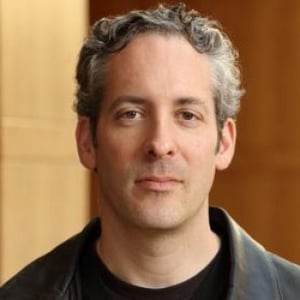
Justice Thurgood Marshall Distinguished Professor of Law, University of Virginia School of Law
Brandon L. Garrett joined the law faculty in 2005. His research and teaching interests include criminal procedure, wrongful convictions, habeas corpus, corporate crime, scientific evidence, civil rights, civil procedure and constitutional law. Garrett’s recent research includes studies of DNA exonerations and organizational prosecutions. The research web pages below provide data related to those studies.
Garrett’s recent book examining corporate prosecutions, titled “Too Big to Jail: How Prosecutors Compromise with Corporations,” was published by Harvard University Press in Fall 2014. Translations are forthcoming in Spain and Taiwan. A new book titled “End of its Rope: How Killing the Death Penalty Can Revive Criminal Justice,” examining the implications of the decline of the death penalty, is forthcoming in Fall 2017 from Harvard University Press. In 2011, Harvard University Press published Garrett’s book, "Convicting the Innocent: Where Criminal Prosecutions Go Wrong," examining the cases of the first 250 people to be exonerated by DNA testing. That book was the subject of a symposium issue in New England Law Review, and received an A.B.A. Silver Gavel Award, Honorable Mention, and a Constitutional Commentary Award. It was translated for editions in China, Japan and Taiwan. In 2013, Foundation Press published Garrett’s casebook, “Federal Habeas Corpus: Executive Detention and Post-Conviction Litigation,” co-authored with Lee Kovarsky. Garrett’s work has been widely cited by courts, including the U.S. Supreme Court, lower federal courts, state supreme courts, and courts in other countries, such as the Supreme Courts of Canada and Israel. Garrett also frequently speaks about criminal justice matters before legislative and policymaking bodies, groups of practicing lawyers, law enforcement, and to local and national media.
Garrett attended Columbia Law School, where he was an articles editor of the Columbia Law Review and a Kent Scholar. After graduating, he clerked for the Hon. Pierre N. Leval of the U.S. Court of Appeals for the Second Circuit. He then worked as an associate at Neufeld, Scheck & Brustin LLP in New York City.
Ronald N. Boyce Presidential Professor of Criminal Law and University Distinguished Professor of Law, The University of Utah College of Law
Paul G. Cassell is an internationally recognized legal scholar on criminal and civil justice, crime victims' rights, constitutional law, evidence, judicial process, and other legal issues. Cassell received a B.A. (1981) and a J.D. (1984) from Stanford University, where he graduated Order of the Coif and was President of the Stanford Law Review. He clerked for then-Judge Antonin Scalia when Scalia was on the U.S. Court of Appeals for the D.C. Circuit (1984-85) and for Chief Justice Warren Burger of the United States Supreme Court (1985-86). Cassell then served as an Associate Deputy Attorney General with the U.S. Justice Department (1986-88) and as an Assistant U.S. Attorney for the Eastern District of Virginia (1988 to 1991). Cassell joined the faculty at the College of Law in 1992, where he taught full-time until he was sworn in as a U.S. District Court Judge for the District of Utah in July 2002. In November 2007, he resigned his judgeship to return full-time to the College of Law to teach, write, and litigate concerning issues relating to crime victims' rights and criminal and civil justice reform. Professor Cassell has also published numerous law review articles in journals such as the Stanford Law Review, the Michigan Law Review, the Harvard Journal of Law and Public Policy, and the Journal of Criminal Law and Criminology. He is a co-author of the nation's only law school textbook on crime victims' rights, Victims in Criminal Procedure (various editions, most recently in its fifth edition published in 2025). Professor Cassell has argued pro bono cases relating to criminal procedure and crime victims' rights before the United States Supreme Court, the 2nd, 4th, 5th, 6th, 7th, 8th, 9th, 10th, 11th, and D.C. Circuits (including the 5th and 11th Circuits en banc), several U.S. District Courts, the Utah Supreme Court, and the Arizona Supreme Court. In 2020, Cassell received the Ronald Wilson Reagan Public Policy Award - National Crime Victims' Service Award from the U.S. Department of Justice. Cassell is a member of the American Law Institute, a fellow of the American Bar Foundation, and an inaugural member of the Council on Criminal Justice. He is also an occasional blogger at The Volokh Conspiracy.
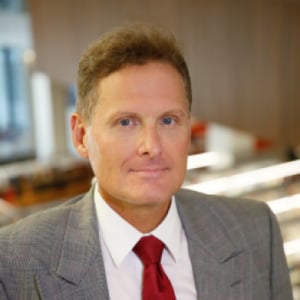
Amelia D. Lewis Professor of Constitutional and Criminal Law, Sandra Day O'Connor College of Law at Arizona State University
Erik Luna is the Amelia D. Lewis Professor of Constitutional and Criminal Law in the Sandra Day O'Connor College of Law at Arizona State University.
Professor Luna teaches and writes primarily in the areas of criminal law and criminal procedure. Luna has received two Fulbright awards. In 2000, he served as the senior Fulbright Scholar to New Zealand at Victoria University Law School (Wellington, NZ). In 2016-17, he was the Fulbright Distinguished Chair at the University of Birmingham (Birmingham, UK). Luna has also been a visiting scholar with the Max Planck Institute for Foreign and International Criminal Law (Freiburg, DE), a visiting professor with the Cuban Society of Penal Sciences (Havana, CU), a visiting professional in the Office of the Prosecutor of the International Criminal Court (The Hague, NL), and a research fellow with the Alexander von Humboldt Foundation (Bonn, DE). Prior to coming to ASU, Luna was the Sydney & Frances Lewis Professor of Law at Washington and Lee University, and before that, he was the Hugh B. Brown Chair in Law at the University of Utah. Luna is a member of the American Law Institute and an adjunct scholar with the Cato Institute. He graduated summa cum laude from the University of Southern California and received his J.D. with honors from Stanford Law School. Upon graduation, Luna was a prosecutor in the San Diego District Attorney’s Office and a fellow and lecturer at the University of Chicago Law School.
Ronald N. Boyce Presidential Professor of Criminal Law and University Distinguished Professor of Law, The University of Utah College of Law
Paul G. Cassell is an internationally recognized legal scholar on criminal and civil justice, crime victims' rights, constitutional law, evidence, judicial process, and other legal issues. Cassell received a B.A. (1981) and a J.D. (1984) from Stanford University, where he graduated Order of the Coif and was President of the Stanford Law Review. He clerked for then-Judge Antonin Scalia when Scalia was on the U.S. Court of Appeals for the D.C. Circuit (1984-85) and for Chief Justice Warren Burger of the United States Supreme Court (1985-86). Cassell then served as an Associate Deputy Attorney General with the U.S. Justice Department (1986-88) and as an Assistant U.S. Attorney for the Eastern District of Virginia (1988 to 1991). Cassell joined the faculty at the College of Law in 1992, where he taught full-time until he was sworn in as a U.S. District Court Judge for the District of Utah in July 2002. In November 2007, he resigned his judgeship to return full-time to the College of Law to teach, write, and litigate concerning issues relating to crime victims' rights and criminal and civil justice reform. Professor Cassell has also published numerous law review articles in journals such as the Stanford Law Review, the Michigan Law Review, the Harvard Journal of Law and Public Policy, and the Journal of Criminal Law and Criminology. He is a co-author of the nation's only law school textbook on crime victims' rights, Victims in Criminal Procedure (various editions, most recently in its fifth edition published in 2025). Professor Cassell has argued pro bono cases relating to criminal procedure and crime victims' rights before the United States Supreme Court, the 2nd, 4th, 5th, 6th, 7th, 8th, 9th, 10th, 11th, and D.C. Circuits (including the 5th and 11th Circuits en banc), several U.S. District Courts, the Utah Supreme Court, and the Arizona Supreme Court. In 2020, Cassell received the Ronald Wilson Reagan Public Policy Award - National Crime Victims' Service Award from the U.S. Department of Justice. Cassell is a member of the American Law Institute, a fellow of the American Bar Foundation, and an inaugural member of the Council on Criminal Justice. He is also an occasional blogger at The Volokh Conspiracy.
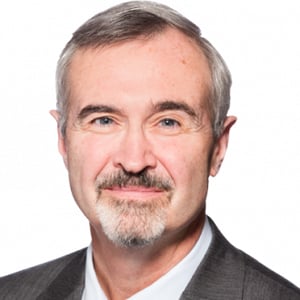
Vice President, Edwin Meese III Institute for the Rule of Law, Advancing American Freedom
John G. Malcolm oversees Advancing American Freedom’s work to increase understanding of the Constitution and the rule of law as Vice President of the organization’s Edwin Meese III Institute for the Rule of Law. Malcolm brings to the challenge a wealth of legal expertise and experience in both the public and private sectors.
Prior to joining Advancing American Freedom in 2025, Malcolm was the Vice President of the Institute for Constitutional Government and the Director of the Meese Center for Legal and Judicial Studies at the Heritage Foundation. Prior to joining Heritage in 2012, Malcolm was general counsel at the U.S. Commission on International Religious Freedom, as well as a distinguished practitioner in residence at Pepperdine Law School. From 2004 to 2009, Malcolm was executive vice president and director of worldwide anti-piracy operations for the Motion Picture Association.
Malcolm served as a deputy assistant attorney general in the Department of Justice’s Criminal Division from 2001 to 2004, where he oversaw sections on computer crime and intellectual property, domestic security, child exploitation and obscenity, and special investigations. Immediately prior to that, he was a founding partner in the Atlanta law firm of Malcolm & Schroeder, LLP.
From 1990 to 1997, Malcolm was an assistant U.S. attorney in Atlanta, assigned to the fraud and public corruption section, and also an associate independent counsel, investigating fraud and abuse in the Department of Housing and Urban Development. He was honored with the Director’s Award for Superior Performance for his work in connection with the successful prosecution of Walter Leroy Moody Jr., who assassinated an 11th Circuit judge and the head of the Savannah chapter of the NAACP.
A graduate of Harvard Law School and Columbia College, Malcolm began his career as a law clerk to a federal district court judge and a federal appellate court judge, and as an associate at the Atlanta-based law firm of Sutherland, Asbill & Brennan (new Eversheds Sutherland).
Malcolm, who resides in Washington, D.C., serves on the Board of Trustees of the Washington National Opera and is a Senate-confirmed member of the Board of Directors of the Legal Services Corporation, the largest funder of civil legal aid in the United States.
Ronald N. Boyce Presidential Professor of Criminal Law and University Distinguished Professor of Law, The University of Utah College of Law
Paul G. Cassell is an internationally recognized legal scholar on criminal and civil justice, crime victims' rights, constitutional law, evidence, judicial process, and other legal issues. Cassell received a B.A. (1981) and a J.D. (1984) from Stanford University, where he graduated Order of the Coif and was President of the Stanford Law Review. He clerked for then-Judge Antonin Scalia when Scalia was on the U.S. Court of Appeals for the D.C. Circuit (1984-85) and for Chief Justice Warren Burger of the United States Supreme Court (1985-86). Cassell then served as an Associate Deputy Attorney General with the U.S. Justice Department (1986-88) and as an Assistant U.S. Attorney for the Eastern District of Virginia (1988 to 1991). Cassell joined the faculty at the College of Law in 1992, where he taught full-time until he was sworn in as a U.S. District Court Judge for the District of Utah in July 2002. In November 2007, he resigned his judgeship to return full-time to the College of Law to teach, write, and litigate concerning issues relating to crime victims' rights and criminal and civil justice reform. Professor Cassell has also published numerous law review articles in journals such as the Stanford Law Review, the Michigan Law Review, the Harvard Journal of Law and Public Policy, and the Journal of Criminal Law and Criminology. He is a co-author of the nation's only law school textbook on crime victims' rights, Victims in Criminal Procedure (various editions, most recently in its fifth edition published in 2025). Professor Cassell has argued pro bono cases relating to criminal procedure and crime victims' rights before the United States Supreme Court, the 2nd, 4th, 5th, 6th, 7th, 8th, 9th, 10th, 11th, and D.C. Circuits (including the 5th and 11th Circuits en banc), several U.S. District Courts, the Utah Supreme Court, and the Arizona Supreme Court. In 2020, Cassell received the Ronald Wilson Reagan Public Policy Award - National Crime Victims' Service Award from the U.S. Department of Justice. Cassell is a member of the American Law Institute, a fellow of the American Bar Foundation, and an inaugural member of the Council on Criminal Justice. He is also an occasional blogger at The Volokh Conspiracy.

Safeguarding Vulnerable Populations Online
Paul G. Cassell, India McKinney, Clare Morell, Spence Purnell, Brandon J. Smith
Modern life is increasingly dependent on the internet, but with dependence comes vulnerability. Popular websites...
Safeguarding Vulnerable Populations Online
Paul G. Cassell, India McKinney, Clare Morell, Spence Purnell, Brandon J. Smith
Modern life is increasingly dependent on the internet, but with dependence comes vulnerability. Popular websites...
Who is the Prosecutor Here?: Rule 48(a) and the Michael Flynn, January 6, and Eric Adams Cases
Paul G. Cassell, Andrew McCarthy, John C. Richter, William L. Shipley
The Federal Rule of Criminal Procedure 48(a) reads, “The government may, with leave of court,...
Who is the Prosecutor Here?: Rule 48(a) and the Michael Flynn, January 6, and Eric Adams Cases
Paul G. Cassell, Andrew McCarthy, John C. Richter, William L. Shipley
The Federal Rule of Criminal Procedure 48(a) reads, “The government may, with leave of court,...
Miranda v. Arizona [SCOTUSbrief]
Paul G. Cassell
Short video featuring Paul Cassell
Whenever law enforcement performs a custodial interrogation of a suspect in the United States, it...
Mapp v. Ohio [SCOTUSbrief]
Paul G. Cassell
Short video featuring Paul Cassell
When police officers commit an unconstitutional search, should the evidence they obtained be usable in...
Do Victim Impact Statements Impact Criminal Sentencing? [POLICYbrief]
Paul G. Cassell
Short video featuring Paul Cassell
Every courtroom in America allows crime victims to give statements to the judge before sentencing....
Criminal Justice Reform Discussion
Brandon Garrett, Paul G. Cassell, Erik Luna
Criminal justice reform has been a hot political topic for several years now, bringing together...
Government Wrongs and Victims’ Rights - Podcast
Paul G. Cassell
Criminal Law & Procedure Practice Group Podcast
Paul G. Cassell, a University of Utah School of Law professor and a former federal...
Paroline v. United States - Post-Decision SCOTUScast
John G. Malcolm, Paul G. Cassell
SCOTUScast 5-29-14 featuring John Malcolm and Paul Cassell
On April 23, 2014, the Supreme Court issued its decision in Paroline v. United States....