
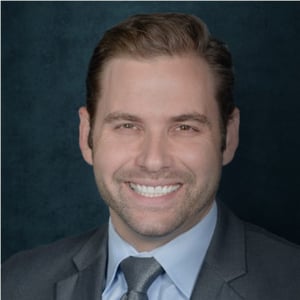
Vice President for the Program on Technology, Criminal Justice and Civil Liberties, Lincoln Network
Arthur Rizer is the Vice President for the Program on Technology, Criminal Justice and Civil Liberties at Lincoln Network. In addition to his work at Lincoln, Arthur is a visiting lecturer at University College London, and an adjunct professor at George Mason University’s Antonin Scalia Law School. Arthur is also a member of Columbia University Justice Lab’s Executive Session for the Future of Justice Policy, the Federalist Society’s Executive Committee of the Criminal Law Practice Group, the Virginia Advisory Committee to the U.S. Commission on Civil Rights, and other advisory bodies.
Before joining Lincoln, Arthur was founding director of the R Street Institute’s program on criminal justice and civil liberties. Prior to that, Arthur taught at West Virginia University’s College of Law, and was a visiting professor at Georgetown University Law Center. He also served as a trial attorney with the U.S. Justice Department, primarily as a federal prosecutor in the Criminal Division, where he targeted command-and-control drug cartel leaders and narco-terrorists. He also served as a prosecutor in the U.S. Attorney’s Office for the Southern District of California and in the civil division. Earlier in his career, Arthur served in the U.S. Army, originally enlisting as a private before later receiving a commission. He served as an armor officer, later becoming the commander of a military police company and a Reserve Officers’ Training Corps assistant professor. He deployed to Fallujah, Iraq, with the mission to train the Iraqi Infantry and served as an MP acting battalion commander and executive officer. He retired as a lieutenant colonel from the U.S. Army (WVNG). During his Army career, Arthur received the Bronze Star, Purple Heart, Meritorious Service and Iraq Campaign medals.
Arthur is the author of three books: Lincoln’s Counsel (2010); The National Security Implications of Immigration Law (2013); and Jefferson’s Pen: The Art of Persuasion (2016).
Arthur earned his bachelor’s degree in political science from Pacific Lutheran University; a master of laws, with distinction, from Georgetown University’s Law Center; and his JD, magna cum laude, from Gonzaga University School of Law. He is also a graduate of the U.S. Marine Corps’ Command Staff College. He is in the final stages of a doctorate at the University of Oxford, Faculty of Law, Centre of Criminology that focuses on policing.
Vice President for the Program on Technology, Criminal Justice and Civil Liberties, Lincoln Network
Arthur Rizer is the Vice President for the Program on Technology, Criminal Justice and Civil Liberties at Lincoln Network. In addition to his work at Lincoln, Arthur is a visiting lecturer at University College London, and an adjunct professor at George Mason University’s Antonin Scalia Law School. Arthur is also a member of Columbia University Justice Lab’s Executive Session for the Future of Justice Policy, the Federalist Society’s Executive Committee of the Criminal Law Practice Group, the Virginia Advisory Committee to the U.S. Commission on Civil Rights, and other advisory bodies.
Before joining Lincoln, Arthur was founding director of the R Street Institute’s program on criminal justice and civil liberties. Prior to that, Arthur taught at West Virginia University’s College of Law, and was a visiting professor at Georgetown University Law Center. He also served as a trial attorney with the U.S. Justice Department, primarily as a federal prosecutor in the Criminal Division, where he targeted command-and-control drug cartel leaders and narco-terrorists. He also served as a prosecutor in the U.S. Attorney’s Office for the Southern District of California and in the civil division. Earlier in his career, Arthur served in the U.S. Army, originally enlisting as a private before later receiving a commission. He served as an armor officer, later becoming the commander of a military police company and a Reserve Officers’ Training Corps assistant professor. He deployed to Fallujah, Iraq, with the mission to train the Iraqi Infantry and served as an MP acting battalion commander and executive officer. He retired as a lieutenant colonel from the U.S. Army (WVNG). During his Army career, Arthur received the Bronze Star, Purple Heart, Meritorious Service and Iraq Campaign medals.
Arthur is the author of three books: Lincoln’s Counsel (2010); The National Security Implications of Immigration Law (2013); and Jefferson’s Pen: The Art of Persuasion (2016).
Arthur earned his bachelor’s degree in political science from Pacific Lutheran University; a master of laws, with distinction, from Georgetown University’s Law Center; and his JD, magna cum laude, from Gonzaga University School of Law. He is also a graduate of the U.S. Marine Corps’ Command Staff College. He is in the final stages of a doctorate at the University of Oxford, Faculty of Law, Centre of Criminology that focuses on policing.
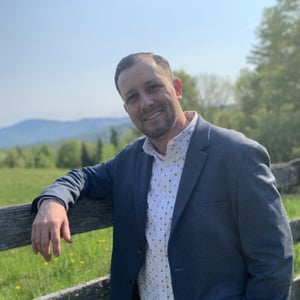
Assistant Professor of Law and Assistant Director of the Academic Success Program, Vermont Law School
Professor Richard Sala is the Assistant Director of the Academic Success Program and an Assistant Professor of Law. He joined the VLS faculty in 2019.
Professor Sala enlisted in the United States Marine Corps in 1997, and served as an infantryman for more than a decade, achieving the rank of Staff Sergeant. Professor Sala’s enlisted time included service with Marine Corps Ground Defense/Security Force, Guantanamo Bay, Cuba, 2nd Battalion, 6th Marines, Camp Lejeune, North Carolina, and 6th Marines Regimental Headquarters, Camp Lejeune, North Carolina —during which time he deployed with the 22nd Marine Expeditionary Unit, Special Operations Capable, participating in operations in and around the former Yugoslavia, including Operation Dynamic Response in Kosovo.
In 2001, Professor Sala was selected for commissioned service through the Broadened Opportunity for Officer Selection and Training program. Professor Sala graduated from the University of Colorado in 2003 with bachelor’s degrees in Political Science and International Affairs, a minor in Italian, and a certificate in Central and Eastern European History. He was commissioned as a Second Lieutenant in 2007 through the Naval Reserve Officer Training Corps program. After completing The Basic School and Infantry Officer Course, he reported to 1st Light Armored Reconnaissance Battalion, in Camp Pendleton, California, where he served as a platoon commander, and company executive officer with Company C—completing a deployment in support of Operation Iraqi Freedom.
In 2010, Professor Sala was selected for service a Judge Advocate through the Excess Leave Program. He attended Vermont Law School graduating with a Juris Doctorate (Cum Laude) and a Masters in Environmental Law and Policy (Magna Cum Laude). He was also the recipient of the Maximilian W. Kempner Award.
After completing law school, Professor Sala reported to Legal Services Support Team, Camp Pendleton where he served as a criminal prosecutor with Legal Team Echo and later, as a criminal prosecutor and Officer-in-Charge of Legal Team Delta.
In 2015, Professor Sala joined 1st Battalion, 4th Marines aboard Camp Pendleton, California, where he served as Judge Advocate to the Commanding Officer of Marine Rotational Force-Darwin—completing a deployment to Darwin, Australia in support of bilateral and multilateral training with the Australian Defense Force and regional allies and partners throughout the Indo-Pacific.
Upon returning from Australia, Professor Sala served as Assistant Deputy Staff Judge Advocate to the Commanding General of the 1st Marine Division.
In 2016, Professor Sala was selected to serve as Assistant Professor and Marine Officer Instructor at the University of Rochester where he also earned a Masters in Business Administration from the University of Rochester’s Simon Business School.
Professor Sala retired from the United States Marine Corps in 2018.
Upon retiring, Professor Sala joined the New Hampshire Department of Justice serving as the Attorney to the Commissioner of the New Hampshire Department of Education.
His personal decorations include the Navy and Marine Corps Commendation Medal (x2) and the Navy and Marine Corps Achievement Medal (x2). He is also the recipient of the Lieutenant Colonel Vic Taylor/Major General Edwin B. Wheeler Award for being the Distinguished Graduate of Infantry Officer’s Course, Class 2-08.
Vice President for the Program on Technology, Criminal Justice and Civil Liberties, Lincoln Network
Arthur Rizer is the Vice President for the Program on Technology, Criminal Justice and Civil Liberties at Lincoln Network. In addition to his work at Lincoln, Arthur is a visiting lecturer at University College London, and an adjunct professor at George Mason University’s Antonin Scalia Law School. Arthur is also a member of Columbia University Justice Lab’s Executive Session for the Future of Justice Policy, the Federalist Society’s Executive Committee of the Criminal Law Practice Group, the Virginia Advisory Committee to the U.S. Commission on Civil Rights, and other advisory bodies.
Before joining Lincoln, Arthur was founding director of the R Street Institute’s program on criminal justice and civil liberties. Prior to that, Arthur taught at West Virginia University’s College of Law, and was a visiting professor at Georgetown University Law Center. He also served as a trial attorney with the U.S. Justice Department, primarily as a federal prosecutor in the Criminal Division, where he targeted command-and-control drug cartel leaders and narco-terrorists. He also served as a prosecutor in the U.S. Attorney’s Office for the Southern District of California and in the civil division. Earlier in his career, Arthur served in the U.S. Army, originally enlisting as a private before later receiving a commission. He served as an armor officer, later becoming the commander of a military police company and a Reserve Officers’ Training Corps assistant professor. He deployed to Fallujah, Iraq, with the mission to train the Iraqi Infantry and served as an MP acting battalion commander and executive officer. He retired as a lieutenant colonel from the U.S. Army (WVNG). During his Army career, Arthur received the Bronze Star, Purple Heart, Meritorious Service and Iraq Campaign medals.
Arthur is the author of three books: Lincoln’s Counsel (2010); The National Security Implications of Immigration Law (2013); and Jefferson’s Pen: The Art of Persuasion (2016).
Arthur earned his bachelor’s degree in political science from Pacific Lutheran University; a master of laws, with distinction, from Georgetown University’s Law Center; and his JD, magna cum laude, from Gonzaga University School of Law. He is also a graduate of the U.S. Marine Corps’ Command Staff College. He is in the final stages of a doctorate at the University of Oxford, Faculty of Law, Centre of Criminology that focuses on policing.
Assistant Professor of Law and Assistant Director of the Academic Success Program, Vermont Law School
Professor Richard Sala is the Assistant Director of the Academic Success Program and an Assistant Professor of Law. He joined the VLS faculty in 2019.
Professor Sala enlisted in the United States Marine Corps in 1997, and served as an infantryman for more than a decade, achieving the rank of Staff Sergeant. Professor Sala’s enlisted time included service with Marine Corps Ground Defense/Security Force, Guantanamo Bay, Cuba, 2nd Battalion, 6th Marines, Camp Lejeune, North Carolina, and 6th Marines Regimental Headquarters, Camp Lejeune, North Carolina —during which time he deployed with the 22nd Marine Expeditionary Unit, Special Operations Capable, participating in operations in and around the former Yugoslavia, including Operation Dynamic Response in Kosovo.
In 2001, Professor Sala was selected for commissioned service through the Broadened Opportunity for Officer Selection and Training program. Professor Sala graduated from the University of Colorado in 2003 with bachelor’s degrees in Political Science and International Affairs, a minor in Italian, and a certificate in Central and Eastern European History. He was commissioned as a Second Lieutenant in 2007 through the Naval Reserve Officer Training Corps program. After completing The Basic School and Infantry Officer Course, he reported to 1st Light Armored Reconnaissance Battalion, in Camp Pendleton, California, where he served as a platoon commander, and company executive officer with Company C—completing a deployment in support of Operation Iraqi Freedom.
In 2010, Professor Sala was selected for service a Judge Advocate through the Excess Leave Program. He attended Vermont Law School graduating with a Juris Doctorate (Cum Laude) and a Masters in Environmental Law and Policy (Magna Cum Laude). He was also the recipient of the Maximilian W. Kempner Award.
After completing law school, Professor Sala reported to Legal Services Support Team, Camp Pendleton where he served as a criminal prosecutor with Legal Team Echo and later, as a criminal prosecutor and Officer-in-Charge of Legal Team Delta.
In 2015, Professor Sala joined 1st Battalion, 4th Marines aboard Camp Pendleton, California, where he served as Judge Advocate to the Commanding Officer of Marine Rotational Force-Darwin—completing a deployment to Darwin, Australia in support of bilateral and multilateral training with the Australian Defense Force and regional allies and partners throughout the Indo-Pacific.
Upon returning from Australia, Professor Sala served as Assistant Deputy Staff Judge Advocate to the Commanding General of the 1st Marine Division.
In 2016, Professor Sala was selected to serve as Assistant Professor and Marine Officer Instructor at the University of Rochester where he also earned a Masters in Business Administration from the University of Rochester’s Simon Business School.
Professor Sala retired from the United States Marine Corps in 2018.
Upon retiring, Professor Sala joined the New Hampshire Department of Justice serving as the Attorney to the Commissioner of the New Hampshire Department of Education.
His personal decorations include the Navy and Marine Corps Commendation Medal (x2) and the Navy and Marine Corps Achievement Medal (x2). He is also the recipient of the Lieutenant Colonel Vic Taylor/Major General Edwin B. Wheeler Award for being the Distinguished Graduate of Infantry Officer’s Course, Class 2-08.
Vice President for the Program on Technology, Criminal Justice and Civil Liberties, Lincoln Network
Arthur Rizer is the Vice President for the Program on Technology, Criminal Justice and Civil Liberties at Lincoln Network. In addition to his work at Lincoln, Arthur is a visiting lecturer at University College London, and an adjunct professor at George Mason University’s Antonin Scalia Law School. Arthur is also a member of Columbia University Justice Lab’s Executive Session for the Future of Justice Policy, the Federalist Society’s Executive Committee of the Criminal Law Practice Group, the Virginia Advisory Committee to the U.S. Commission on Civil Rights, and other advisory bodies.
Before joining Lincoln, Arthur was founding director of the R Street Institute’s program on criminal justice and civil liberties. Prior to that, Arthur taught at West Virginia University’s College of Law, and was a visiting professor at Georgetown University Law Center. He also served as a trial attorney with the U.S. Justice Department, primarily as a federal prosecutor in the Criminal Division, where he targeted command-and-control drug cartel leaders and narco-terrorists. He also served as a prosecutor in the U.S. Attorney’s Office for the Southern District of California and in the civil division. Earlier in his career, Arthur served in the U.S. Army, originally enlisting as a private before later receiving a commission. He served as an armor officer, later becoming the commander of a military police company and a Reserve Officers’ Training Corps assistant professor. He deployed to Fallujah, Iraq, with the mission to train the Iraqi Infantry and served as an MP acting battalion commander and executive officer. He retired as a lieutenant colonel from the U.S. Army (WVNG). During his Army career, Arthur received the Bronze Star, Purple Heart, Meritorious Service and Iraq Campaign medals.
Arthur is the author of three books: Lincoln’s Counsel (2010); The National Security Implications of Immigration Law (2013); and Jefferson’s Pen: The Art of Persuasion (2016).
Arthur earned his bachelor’s degree in political science from Pacific Lutheran University; a master of laws, with distinction, from Georgetown University’s Law Center; and his JD, magna cum laude, from Gonzaga University School of Law. He is also a graduate of the U.S. Marine Corps’ Command Staff College. He is in the final stages of a doctorate at the University of Oxford, Faculty of Law, Centre of Criminology that focuses on policing.
Assistant Professor of Law and Assistant Director of the Academic Success Program, Vermont Law School
Professor Richard Sala is the Assistant Director of the Academic Success Program and an Assistant Professor of Law. He joined the VLS faculty in 2019.
Professor Sala enlisted in the United States Marine Corps in 1997, and served as an infantryman for more than a decade, achieving the rank of Staff Sergeant. Professor Sala’s enlisted time included service with Marine Corps Ground Defense/Security Force, Guantanamo Bay, Cuba, 2nd Battalion, 6th Marines, Camp Lejeune, North Carolina, and 6th Marines Regimental Headquarters, Camp Lejeune, North Carolina —during which time he deployed with the 22nd Marine Expeditionary Unit, Special Operations Capable, participating in operations in and around the former Yugoslavia, including Operation Dynamic Response in Kosovo.
In 2001, Professor Sala was selected for commissioned service through the Broadened Opportunity for Officer Selection and Training program. Professor Sala graduated from the University of Colorado in 2003 with bachelor’s degrees in Political Science and International Affairs, a minor in Italian, and a certificate in Central and Eastern European History. He was commissioned as a Second Lieutenant in 2007 through the Naval Reserve Officer Training Corps program. After completing The Basic School and Infantry Officer Course, he reported to 1st Light Armored Reconnaissance Battalion, in Camp Pendleton, California, where he served as a platoon commander, and company executive officer with Company C—completing a deployment in support of Operation Iraqi Freedom.
In 2010, Professor Sala was selected for service a Judge Advocate through the Excess Leave Program. He attended Vermont Law School graduating with a Juris Doctorate (Cum Laude) and a Masters in Environmental Law and Policy (Magna Cum Laude). He was also the recipient of the Maximilian W. Kempner Award.
After completing law school, Professor Sala reported to Legal Services Support Team, Camp Pendleton where he served as a criminal prosecutor with Legal Team Echo and later, as a criminal prosecutor and Officer-in-Charge of Legal Team Delta.
In 2015, Professor Sala joined 1st Battalion, 4th Marines aboard Camp Pendleton, California, where he served as Judge Advocate to the Commanding Officer of Marine Rotational Force-Darwin—completing a deployment to Darwin, Australia in support of bilateral and multilateral training with the Australian Defense Force and regional allies and partners throughout the Indo-Pacific.
Upon returning from Australia, Professor Sala served as Assistant Deputy Staff Judge Advocate to the Commanding General of the 1st Marine Division.
In 2016, Professor Sala was selected to serve as Assistant Professor and Marine Officer Instructor at the University of Rochester where he also earned a Masters in Business Administration from the University of Rochester’s Simon Business School.
Professor Sala retired from the United States Marine Corps in 2018.
Upon retiring, Professor Sala joined the New Hampshire Department of Justice serving as the Attorney to the Commissioner of the New Hampshire Department of Education.
His personal decorations include the Navy and Marine Corps Commendation Medal (x2) and the Navy and Marine Corps Achievement Medal (x2). He is also the recipient of the Lieutenant Colonel Vic Taylor/Major General Edwin B. Wheeler Award for being the Distinguished Graduate of Infantry Officer’s Course, Class 2-08.
Vice President for the Program on Technology, Criminal Justice and Civil Liberties, Lincoln Network
Arthur Rizer is the Vice President for the Program on Technology, Criminal Justice and Civil Liberties at Lincoln Network. In addition to his work at Lincoln, Arthur is a visiting lecturer at University College London, and an adjunct professor at George Mason University’s Antonin Scalia Law School. Arthur is also a member of Columbia University Justice Lab’s Executive Session for the Future of Justice Policy, the Federalist Society’s Executive Committee of the Criminal Law Practice Group, the Virginia Advisory Committee to the U.S. Commission on Civil Rights, and other advisory bodies.
Before joining Lincoln, Arthur was founding director of the R Street Institute’s program on criminal justice and civil liberties. Prior to that, Arthur taught at West Virginia University’s College of Law, and was a visiting professor at Georgetown University Law Center. He also served as a trial attorney with the U.S. Justice Department, primarily as a federal prosecutor in the Criminal Division, where he targeted command-and-control drug cartel leaders and narco-terrorists. He also served as a prosecutor in the U.S. Attorney’s Office for the Southern District of California and in the civil division. Earlier in his career, Arthur served in the U.S. Army, originally enlisting as a private before later receiving a commission. He served as an armor officer, later becoming the commander of a military police company and a Reserve Officers’ Training Corps assistant professor. He deployed to Fallujah, Iraq, with the mission to train the Iraqi Infantry and served as an MP acting battalion commander and executive officer. He retired as a lieutenant colonel from the U.S. Army (WVNG). During his Army career, Arthur received the Bronze Star, Purple Heart, Meritorious Service and Iraq Campaign medals.
Arthur is the author of three books: Lincoln’s Counsel (2010); The National Security Implications of Immigration Law (2013); and Jefferson’s Pen: The Art of Persuasion (2016).
Arthur earned his bachelor’s degree in political science from Pacific Lutheran University; a master of laws, with distinction, from Georgetown University’s Law Center; and his JD, magna cum laude, from Gonzaga University School of Law. He is also a graduate of the U.S. Marine Corps’ Command Staff College. He is in the final stages of a doctorate at the University of Oxford, Faculty of Law, Centre of Criminology that focuses on policing.
Assistant Professor of Law and Assistant Director of the Academic Success Program, Vermont Law School
Professor Richard Sala is the Assistant Director of the Academic Success Program and an Assistant Professor of Law. He joined the VLS faculty in 2019.
Professor Sala enlisted in the United States Marine Corps in 1997, and served as an infantryman for more than a decade, achieving the rank of Staff Sergeant. Professor Sala’s enlisted time included service with Marine Corps Ground Defense/Security Force, Guantanamo Bay, Cuba, 2nd Battalion, 6th Marines, Camp Lejeune, North Carolina, and 6th Marines Regimental Headquarters, Camp Lejeune, North Carolina —during which time he deployed with the 22nd Marine Expeditionary Unit, Special Operations Capable, participating in operations in and around the former Yugoslavia, including Operation Dynamic Response in Kosovo.
In 2001, Professor Sala was selected for commissioned service through the Broadened Opportunity for Officer Selection and Training program. Professor Sala graduated from the University of Colorado in 2003 with bachelor’s degrees in Political Science and International Affairs, a minor in Italian, and a certificate in Central and Eastern European History. He was commissioned as a Second Lieutenant in 2007 through the Naval Reserve Officer Training Corps program. After completing The Basic School and Infantry Officer Course, he reported to 1st Light Armored Reconnaissance Battalion, in Camp Pendleton, California, where he served as a platoon commander, and company executive officer with Company C—completing a deployment in support of Operation Iraqi Freedom.
In 2010, Professor Sala was selected for service a Judge Advocate through the Excess Leave Program. He attended Vermont Law School graduating with a Juris Doctorate (Cum Laude) and a Masters in Environmental Law and Policy (Magna Cum Laude). He was also the recipient of the Maximilian W. Kempner Award.
After completing law school, Professor Sala reported to Legal Services Support Team, Camp Pendleton where he served as a criminal prosecutor with Legal Team Echo and later, as a criminal prosecutor and Officer-in-Charge of Legal Team Delta.
In 2015, Professor Sala joined 1st Battalion, 4th Marines aboard Camp Pendleton, California, where he served as Judge Advocate to the Commanding Officer of Marine Rotational Force-Darwin—completing a deployment to Darwin, Australia in support of bilateral and multilateral training with the Australian Defense Force and regional allies and partners throughout the Indo-Pacific.
Upon returning from Australia, Professor Sala served as Assistant Deputy Staff Judge Advocate to the Commanding General of the 1st Marine Division.
In 2016, Professor Sala was selected to serve as Assistant Professor and Marine Officer Instructor at the University of Rochester where he also earned a Masters in Business Administration from the University of Rochester’s Simon Business School.
Professor Sala retired from the United States Marine Corps in 2018.
Upon retiring, Professor Sala joined the New Hampshire Department of Justice serving as the Attorney to the Commissioner of the New Hampshire Department of Education.
His personal decorations include the Navy and Marine Corps Commendation Medal (x2) and the Navy and Marine Corps Achievement Medal (x2). He is also the recipient of the Lieutenant Colonel Vic Taylor/Major General Edwin B. Wheeler Award for being the Distinguished Graduate of Infantry Officer’s Course, Class 2-08.
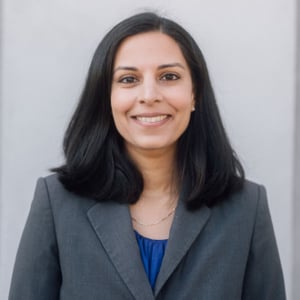
Associate Director of Criminal Justice Policy, R Street Institute
Nila previously served as an assistant public defender in Baltimore, Maryland. In addition to handling more than 1,000 cases in her tenure, she also helped lead a bail reform project to address problems in the city’s money bail system. Earlier in her career, Nila clerked for Judge Keith P. Ellison of the U.S. District Court for the Southern District of Texas. She also was a recipient of the Yale Public Interest Law Fellowship. As part of that program, she assisted juveniles with sealing their records, particularly those with sex offenses, while serving the Public Defender Office of Santa Clara County, California.
Nila received her bachelor’s degree in human biology from Stanford University, graduating with distinction. She completed her juris doctor at Yale Law School.
Vice President for the Program on Technology, Criminal Justice and Civil Liberties, Lincoln Network
Arthur Rizer is the Vice President for the Program on Technology, Criminal Justice and Civil Liberties at Lincoln Network. In addition to his work at Lincoln, Arthur is a visiting lecturer at University College London, and an adjunct professor at George Mason University’s Antonin Scalia Law School. Arthur is also a member of Columbia University Justice Lab’s Executive Session for the Future of Justice Policy, the Federalist Society’s Executive Committee of the Criminal Law Practice Group, the Virginia Advisory Committee to the U.S. Commission on Civil Rights, and other advisory bodies.
Before joining Lincoln, Arthur was founding director of the R Street Institute’s program on criminal justice and civil liberties. Prior to that, Arthur taught at West Virginia University’s College of Law, and was a visiting professor at Georgetown University Law Center. He also served as a trial attorney with the U.S. Justice Department, primarily as a federal prosecutor in the Criminal Division, where he targeted command-and-control drug cartel leaders and narco-terrorists. He also served as a prosecutor in the U.S. Attorney’s Office for the Southern District of California and in the civil division. Earlier in his career, Arthur served in the U.S. Army, originally enlisting as a private before later receiving a commission. He served as an armor officer, later becoming the commander of a military police company and a Reserve Officers’ Training Corps assistant professor. He deployed to Fallujah, Iraq, with the mission to train the Iraqi Infantry and served as an MP acting battalion commander and executive officer. He retired as a lieutenant colonel from the U.S. Army (WVNG). During his Army career, Arthur received the Bronze Star, Purple Heart, Meritorious Service and Iraq Campaign medals.
Arthur is the author of three books: Lincoln’s Counsel (2010); The National Security Implications of Immigration Law (2013); and Jefferson’s Pen: The Art of Persuasion (2016).
Arthur earned his bachelor’s degree in political science from Pacific Lutheran University; a master of laws, with distinction, from Georgetown University’s Law Center; and his JD, magna cum laude, from Gonzaga University School of Law. He is also a graduate of the U.S. Marine Corps’ Command Staff College. He is in the final stages of a doctorate at the University of Oxford, Faculty of Law, Centre of Criminology that focuses on policing.
Vice President for the Program on Technology, Criminal Justice and Civil Liberties, Lincoln Network
Arthur Rizer is the Vice President for the Program on Technology, Criminal Justice and Civil Liberties at Lincoln Network. In addition to his work at Lincoln, Arthur is a visiting lecturer at University College London, and an adjunct professor at George Mason University’s Antonin Scalia Law School. Arthur is also a member of Columbia University Justice Lab’s Executive Session for the Future of Justice Policy, the Federalist Society’s Executive Committee of the Criminal Law Practice Group, the Virginia Advisory Committee to the U.S. Commission on Civil Rights, and other advisory bodies.
Before joining Lincoln, Arthur was founding director of the R Street Institute’s program on criminal justice and civil liberties. Prior to that, Arthur taught at West Virginia University’s College of Law, and was a visiting professor at Georgetown University Law Center. He also served as a trial attorney with the U.S. Justice Department, primarily as a federal prosecutor in the Criminal Division, where he targeted command-and-control drug cartel leaders and narco-terrorists. He also served as a prosecutor in the U.S. Attorney’s Office for the Southern District of California and in the civil division. Earlier in his career, Arthur served in the U.S. Army, originally enlisting as a private before later receiving a commission. He served as an armor officer, later becoming the commander of a military police company and a Reserve Officers’ Training Corps assistant professor. He deployed to Fallujah, Iraq, with the mission to train the Iraqi Infantry and served as an MP acting battalion commander and executive officer. He retired as a lieutenant colonel from the U.S. Army (WVNG). During his Army career, Arthur received the Bronze Star, Purple Heart, Meritorious Service and Iraq Campaign medals.
Arthur is the author of three books: Lincoln’s Counsel (2010); The National Security Implications of Immigration Law (2013); and Jefferson’s Pen: The Art of Persuasion (2016).
Arthur earned his bachelor’s degree in political science from Pacific Lutheran University; a master of laws, with distinction, from Georgetown University’s Law Center; and his JD, magna cum laude, from Gonzaga University School of Law. He is also a graduate of the U.S. Marine Corps’ Command Staff College. He is in the final stages of a doctorate at the University of Oxford, Faculty of Law, Centre of Criminology that focuses on policing.
Brett Tolman, the former U.S. Attorney for Utah and former chief counsel for crime and terrorism in the U.S. Senate Judiciary Committee, founded the Tolman Group and focuses on public policy and reforming government.

Topics
Using Originalism to Attack Mass Incarceration: A Review of Rachel Barkow’s Justice Abandoned
It is a singular fact of life in America that with five percent of the...
Topics
The Failed Revision of the DC Criminal Code: Lessons for Reformers
There are many lessons to be learned from the demise of the attempted revision of...
State Court Docket Watch: State of Montana v. Mercier
Arthur Rizer
Presently, there is much uncertainty in Sixth Amendment Confrontation Clause jurisprudence in light of differences in tone...
Courthouse Steps Decision Teleforum: United States v. Briggs
Arthur Rizer, Richard K. Sala
On December 10, 2020, the Supreme Court released its decision in United States v. Briggs. Consolidated...
United States v. Briggs - Post-Decision SCOTUScast
Arthur Rizer, Richard K. Sala
featuring Arthur Rizer and Richard Sala
On December 10, 2020 the Supreme Court decided United States v. Briggs. The question presented...
Topics
Virtual Juries Are Viable, but Their Usage Should Be Rare
Since the beginning of business closures earlier this year due to the coronavirus pandemic, hundreds...
Courthouse Steps Oral Argument Teleforum: United States v. Collins
Arthur Rizer, Richard K. Sala
Consolidated with United States v. Collins, United States v. Briggs challenges the idea that a...
United States v. Briggs- Post-Argument SCOTUScast
Arthur Rizer, Richard K. Sala
featuring Arthur Rizer and Richard Sala
On October 13, 2020, The Supreme Court heard oral arguments regarding United States v. Collins...
Rights and Wrongs: The Golden State Killer and Genetic Investigations
Nila Bala, Arthur Rizer
After 87 victims, 53 separate crime scenes, and multiple investigations spanning over four decades, the...
Seeking Success: Reforming America’s Community Supervision System
Arthur Rizer, Brett Tolman
Federalist Society Review, Volume 21
Note from the Editor: The Federalist Society takes no positions on particular legal and public...